
by Dr. Dan Foley
For most quail hunters/landowners across the Texas Rolling Plains, a key question every fall remains the same: how many quail are on my ranch, and how aggressively can I hunt them without hurting the population? Answering these questions requires a survey method that produces reliable, repeatable information without imposing excessive cost or time. Although helicopter line-transect surveys offer the most rigorous scientific estimates, it is also cost prohibitive for most landowners. Fortunately, responsible quail management doesn’t rely on the most expensive option—it relies on consistency.
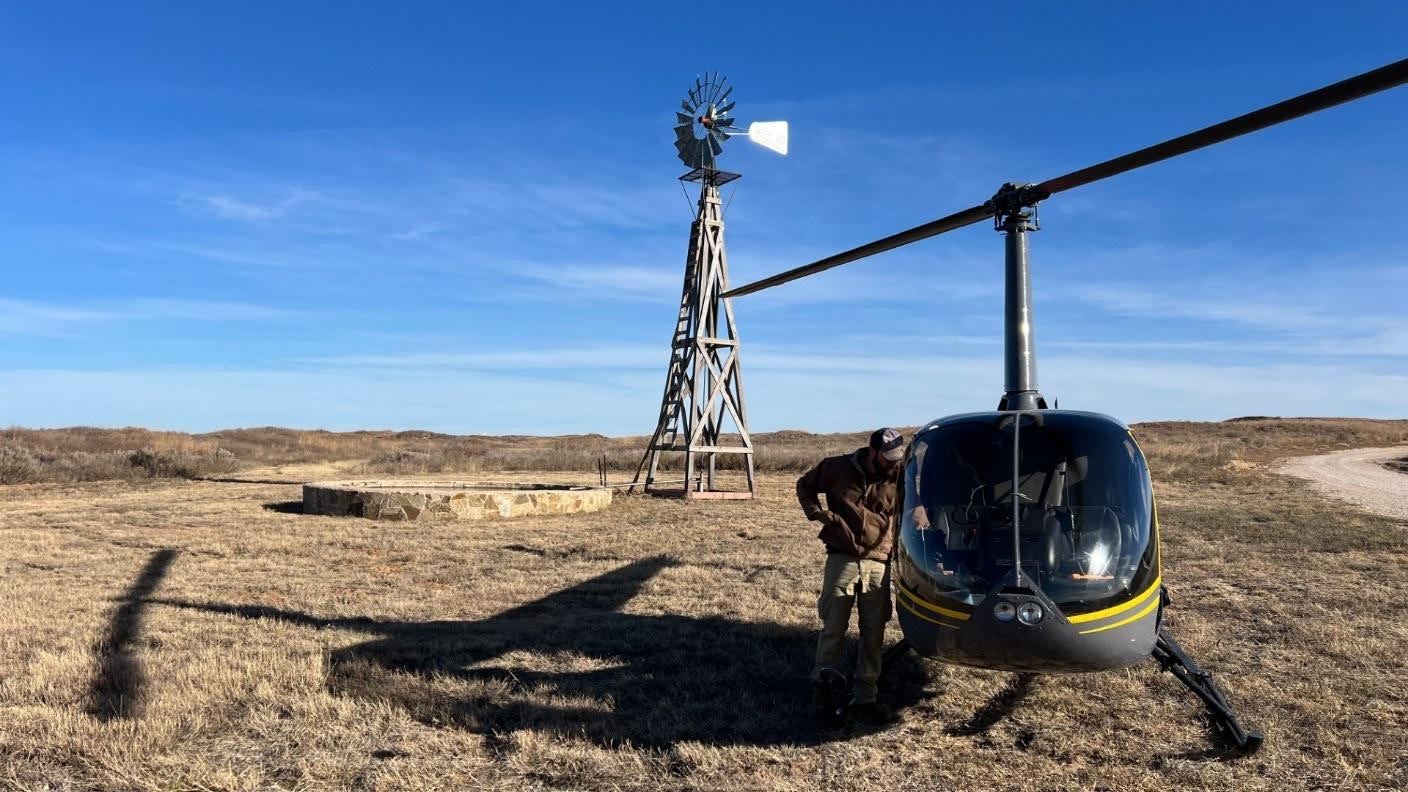
Helicopter line-transect surveys are considered the scientific gold-standard because they involve flying straight, evenly spaced transects across the ranch at a controlled speed while trained observers record coveys within known distances from each flight line. These sightings are analyzed using distance-sampling models that correct for detection bias and yield true density estimates. Despite their accuracy, the cost, analytics, and logistical complexity limit their use for most Rolling Plains operations.
The most accessible and meaningful option for the vast majority of landowners is the standardized “Fall Roadside Count Survey”. This method involves driving a predetermined route—usually 8 to 20 miles, depending on ranch size—at a consistent speed during the early-fall period (September) when coveys are intact and recording the number of quail observed along the route. The survey should be repeated two to three times each fall (four to six times is better), spaced several days apart, with results averaged to generate a fall index. The objective is not perfection in any single outing, but building a consistent long-term record that reveals whether your quail population is trending upward, downward, or holding steady.
The biggest danger to data quality is inconsistent methods—changing roads, changing timing, or switching techniques from one year to the next undermines the very trends you’re trying to observe.
If you are limited by a road system on your property, then you may want to try another method, the “Fall Covey Call Count”. Fall covey call counts place observers at fixed locations before sunrise to record the number of coveys calling within earshot. While this does not measure density directly, it provides a reliable index of covey presence. Additionally, a method that receives considerable attention—especially from managers who prefer spring data—is the “Spring Cock-whistle Count”. This survey involves establishing fixed listening points across the ranch during the spring breeding season and recording the number of calling male bobwhites (“cocks”) that can be heard within a standardized time window, usually 3–5 minutes per point at daybreak. These counts are easy to conduct and useful for detecting breeding activity and territory establishment. However, research consistently shows that while spring cock counts can reflect broad patterns of spring abundance, they are poor predictors of fall population size, which is ultimately what determines hunting opportunity. Spring numbers do not always translate reliably into fall numbers because weather, nesting success, brood survival, and summer habitat conditions can shift populations dramatically between May and October. For this reason, spring cock-whistle counts are best regarded as supporting indicators rather than primary tools for harvest planning.
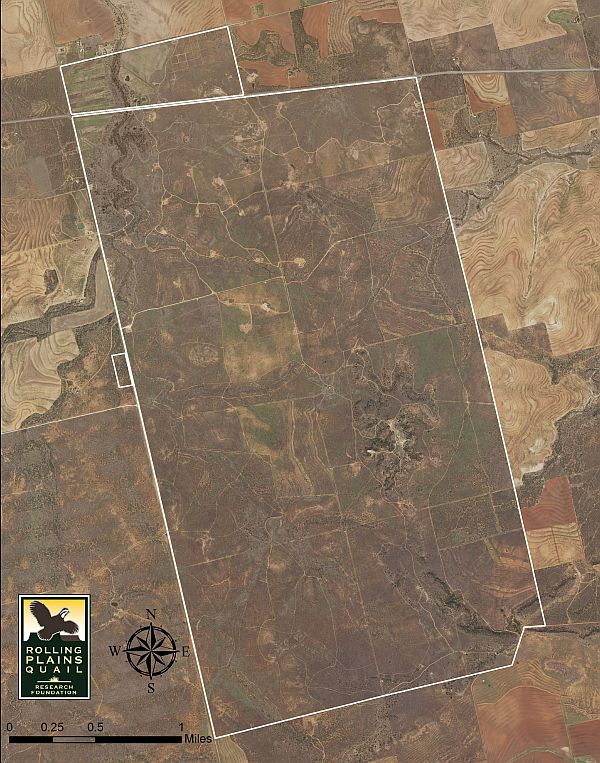
Regardless of which method you use, it is important to understand that no survey will reveal the exact number of quail living on your ranch. Long term data gathered on the RPQRR reinforces the long-standing principle in quail management: population indices are imperfect at estimating absolute density but highly reliable at detecting relative changes. Those changes should anchor your harvest decisions. When your fall index sits above your long-term ranch average, moderate and well-distributed harvest is usually reasonable. When the index falls to or below average, reducing hunting pressure is the responsible choice. And when it drops sharply below your baseline, suspending harvest entirely is simply good stewardship. Your own multi-year average—not statewide reports or conversations with neighbors—is the benchmark that matters most for your ranch.
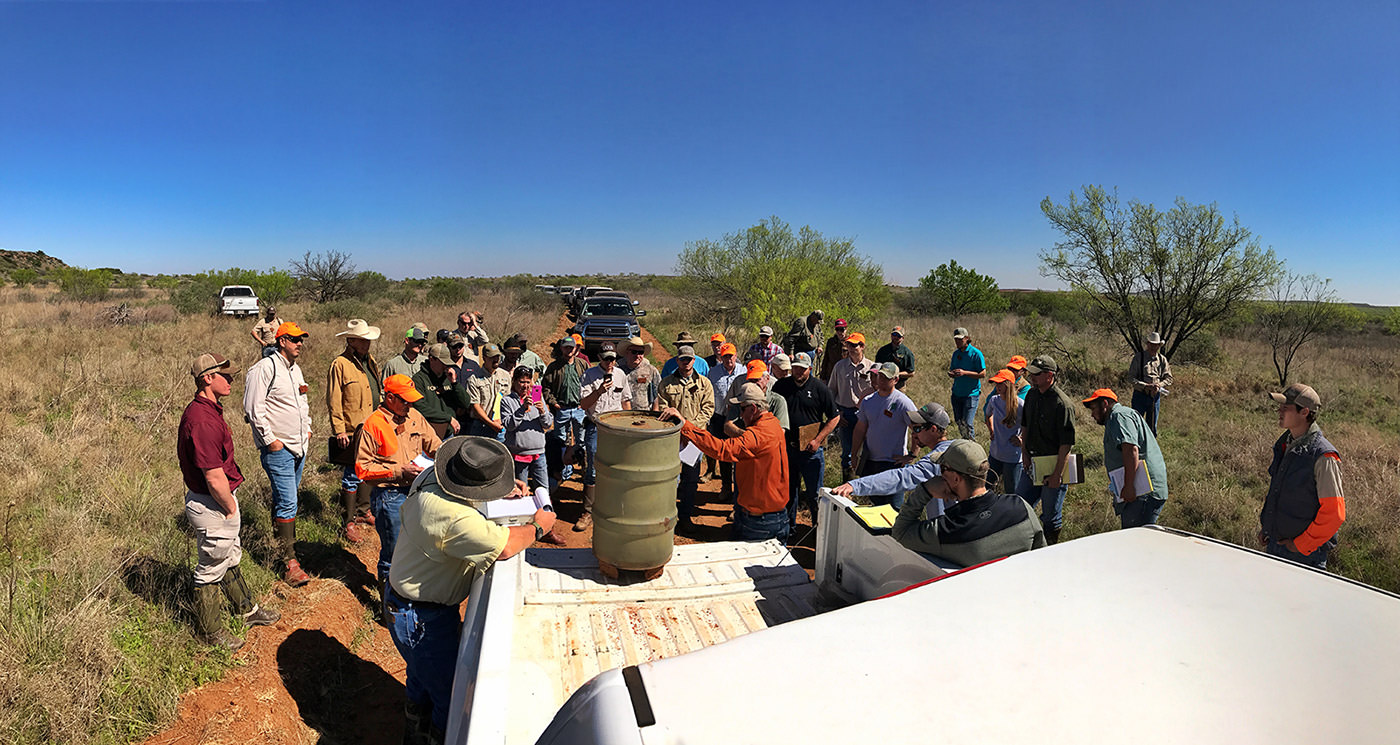
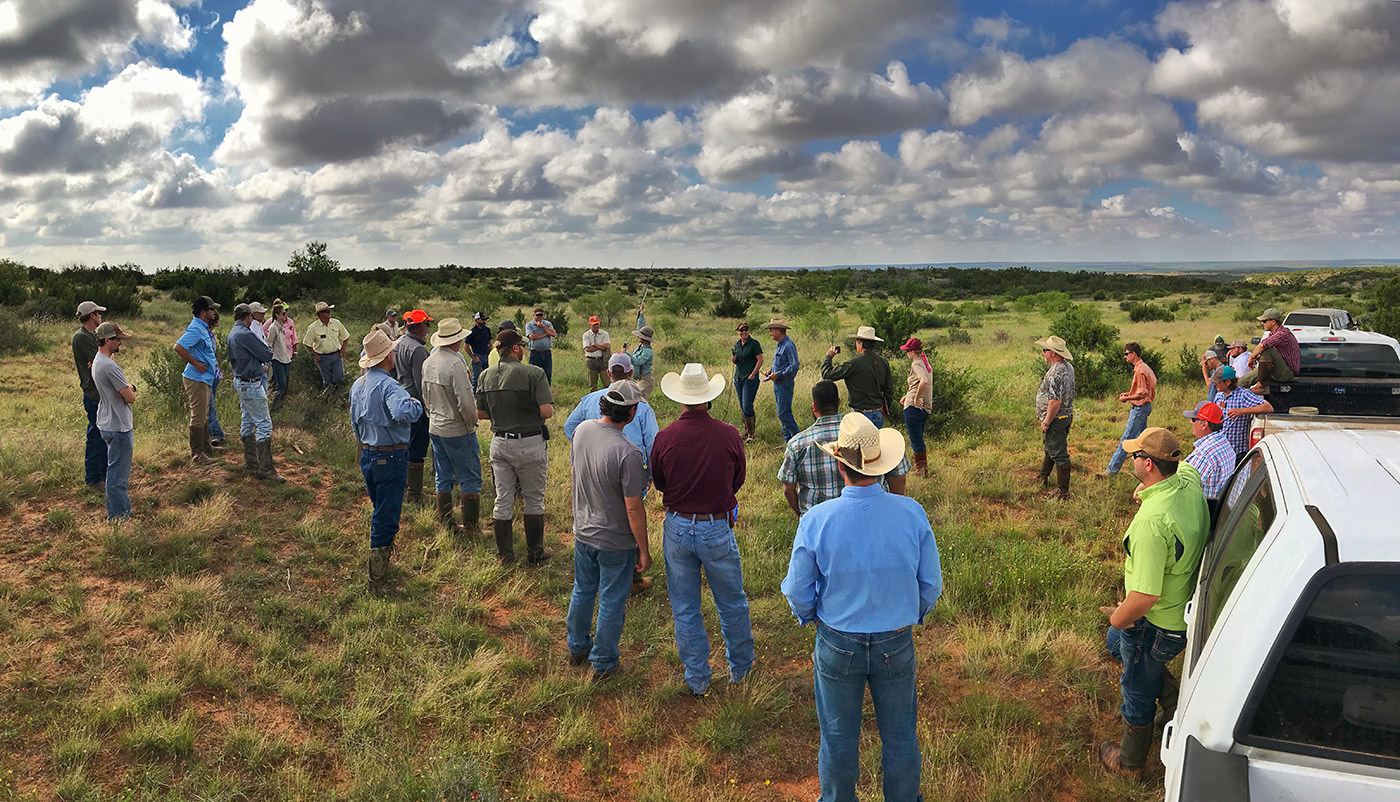
For landowners who want to sharpen their survey skills or increase confidence in interpreting their results, hands-on training remains invaluable. Programs like QuailMasters provide direct experience in survey design, habitat assessment, and data interpretation specifically tailored to Texas quail country. And if you need help developing a survey program on your ranch, the Rolling Plains Quail Research Foundation is always ready to assist. In the long run, disciplined surveys are the foundation of responsible quail management, and ranches that commit to them make the most informed decisions year after year.