
by Kyndal Underwood
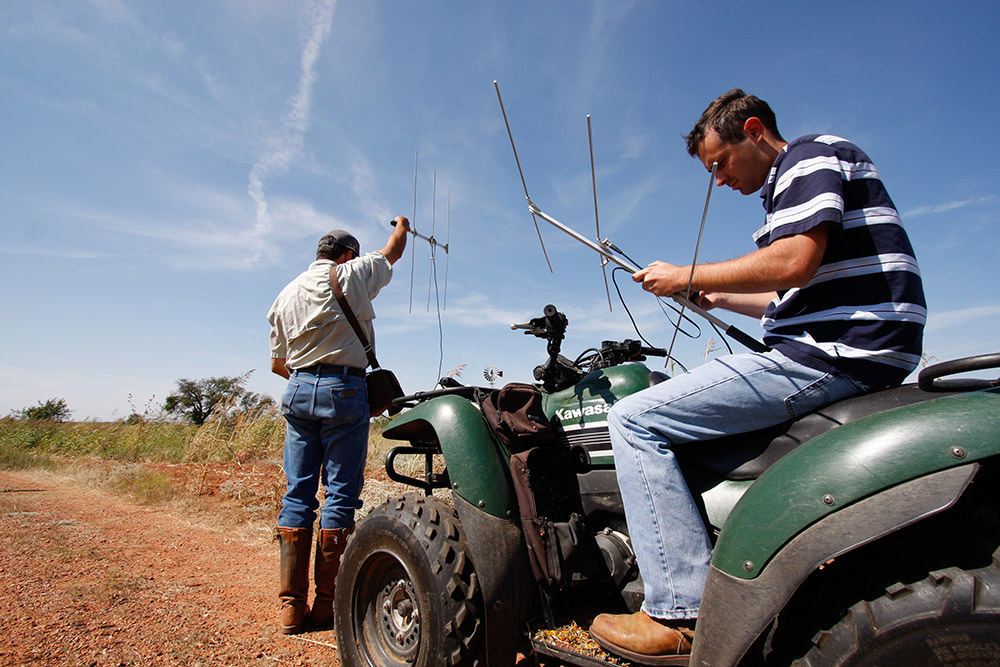
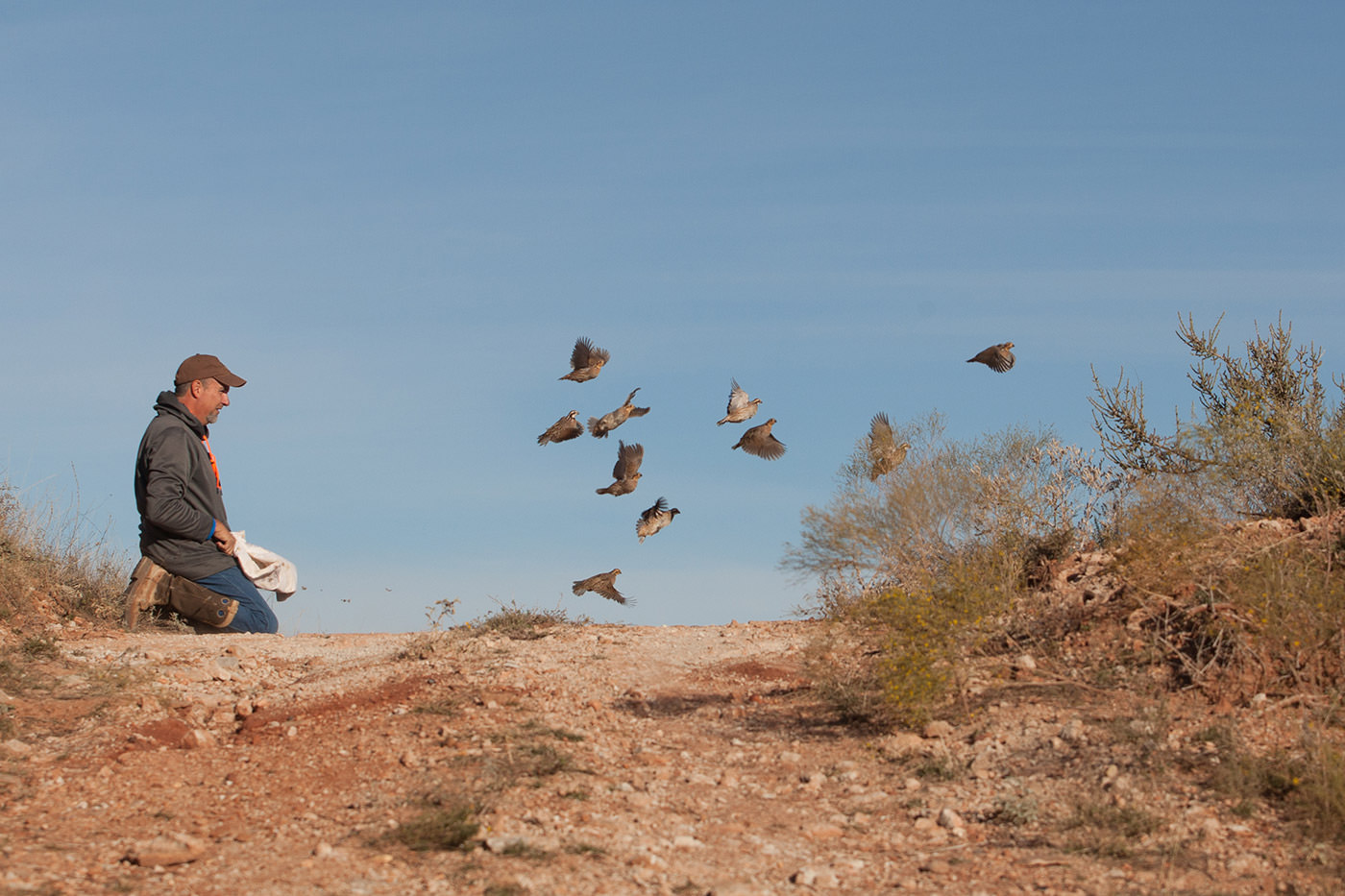
Excitement is building at the Research Ranch as our technicians prepare for one of the most intensive—and important—field efforts of the year: quail trapping season. This large-scale operation demands long days, late nights, and a great deal of coordination, but the information gathered is among the most valuable data we collect. These efforts feed directly into our radio-tracking program and long-term mark-recapture database, both essential for understanding quail survival, movement patterns, habitat selection and population trends.
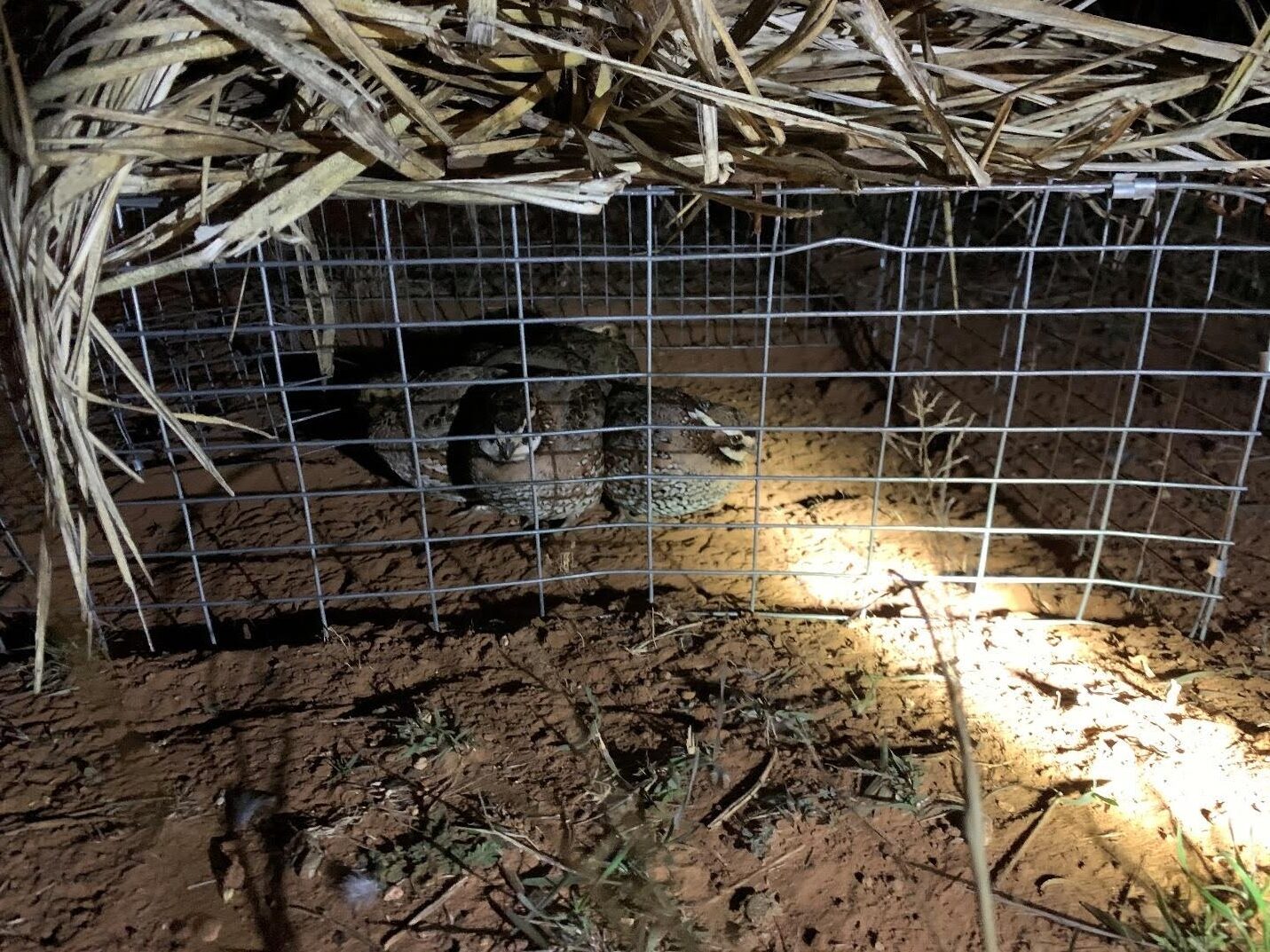
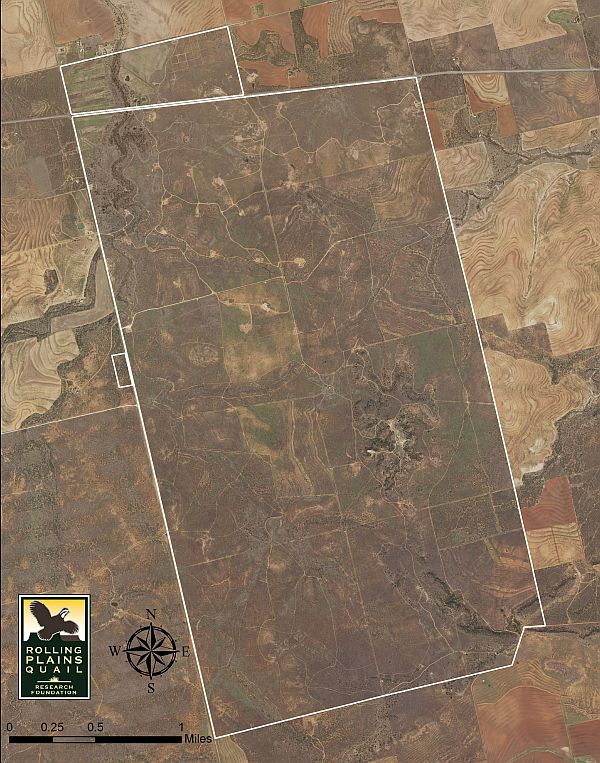
When trap season begins, the crew traps on the east side of the ranch the first week, then traps are moved to the west side, where the crew will spend a week trapping that side. On trap day, technicians begin at 1PM setting all the traps, it takes a couple of hours for 4 technicians to set all the traps. Each trap is centered over fresh milo, covered with yucca and a softball size rock is set on top of the trap. The yucca provides important shade and concealment from predators, while the rock secures the setup against wind and curious wildlife. Quail must enter the trap through a funnel to access the bait.
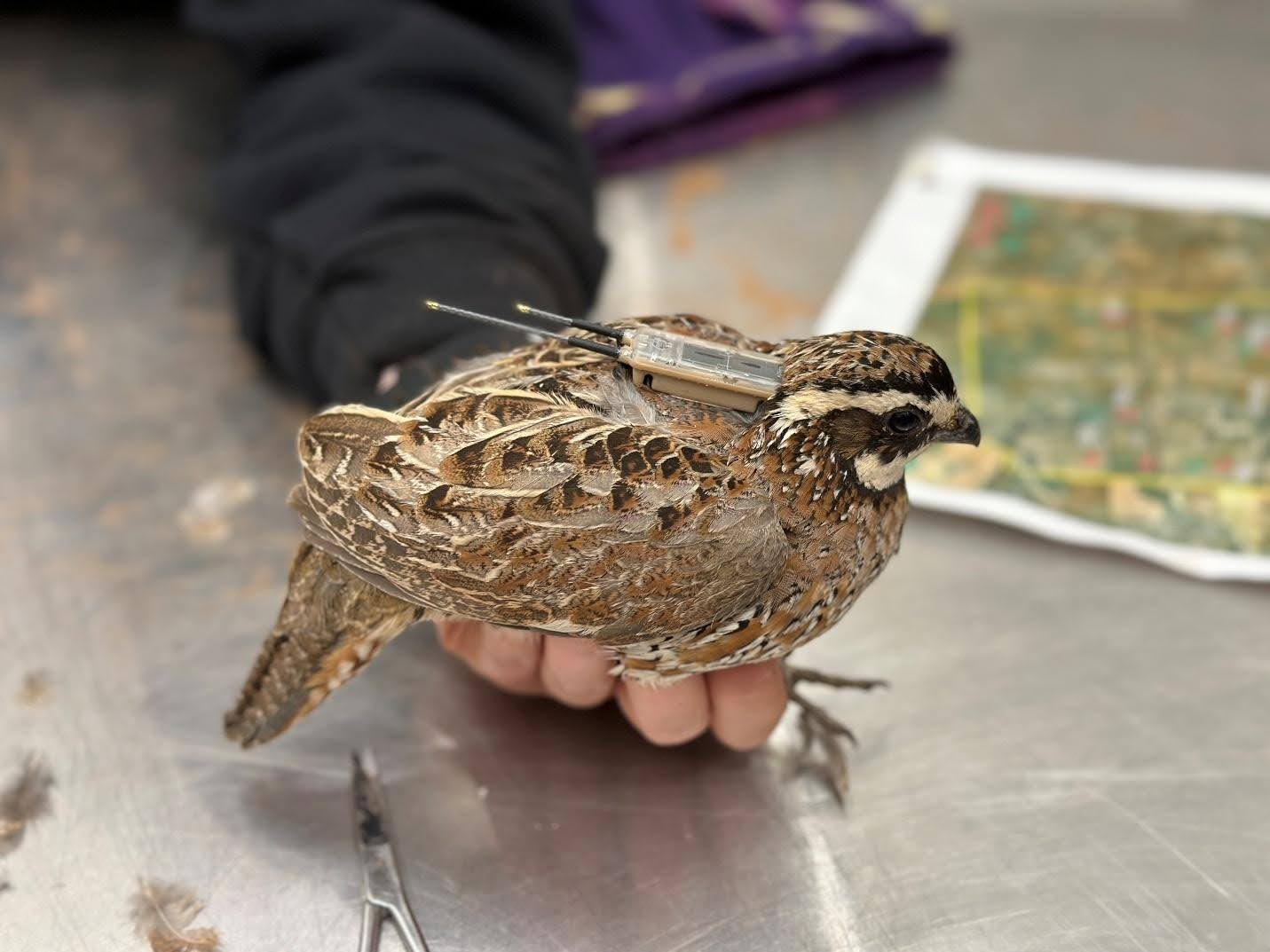
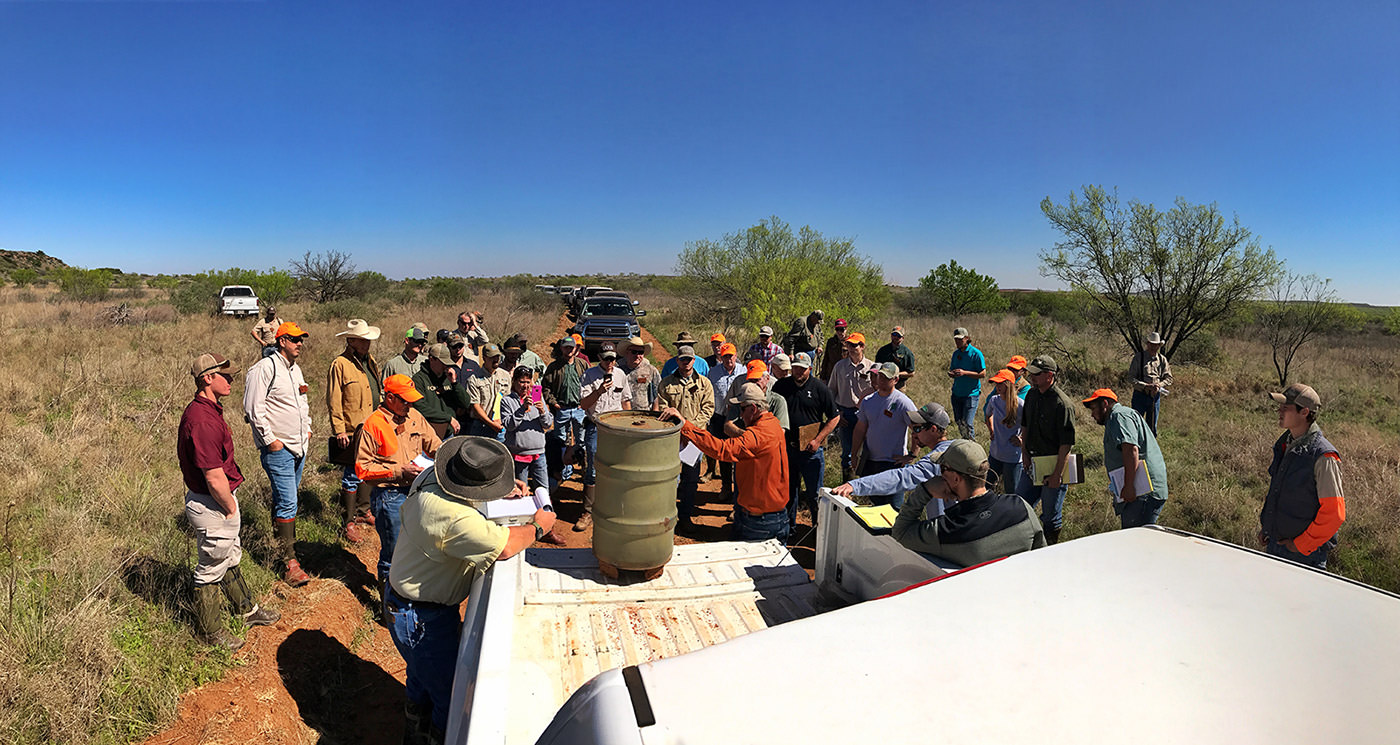
This demanding fieldwork is foundational to advancing our understanding of quail ecology. Thanks to the dedication of our technicians and the precision of our field methods, the Research Ranch continues to build robust datasets and contribute meaningful insights to quail conservation and management. Click here for a short video showing the trapping and data collection.