
By Kyndal Underwood
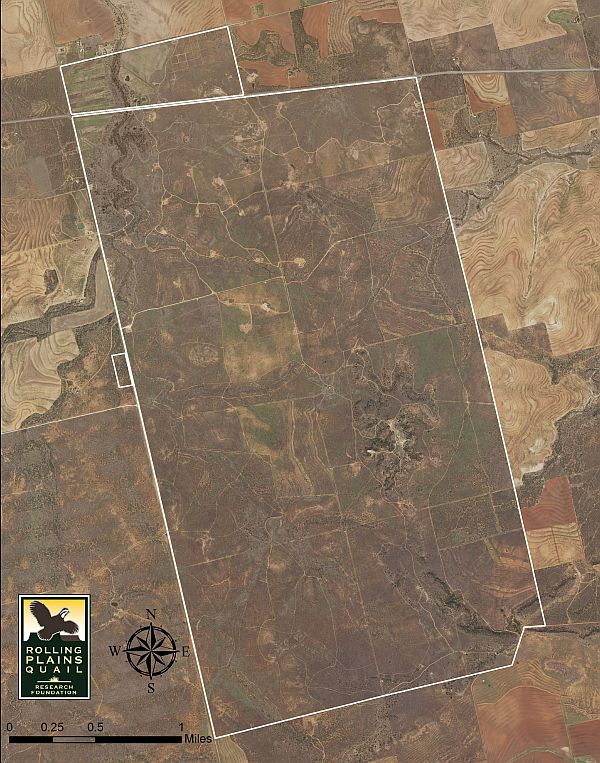
Successful nesting is one of the most important—and most vulnerable—stages in a quail’s life cycle. At the Rolling Plains Quail Research Ranch (RPQRR), technicians have spent more than a decade tracking where quail chose to nest and how these choices influence nest survival. A recent long-term study sheds new light on how different nesting substrates affect the nesting success of Northern bobwhite and Scaled quail across our semi-arid rangelands.
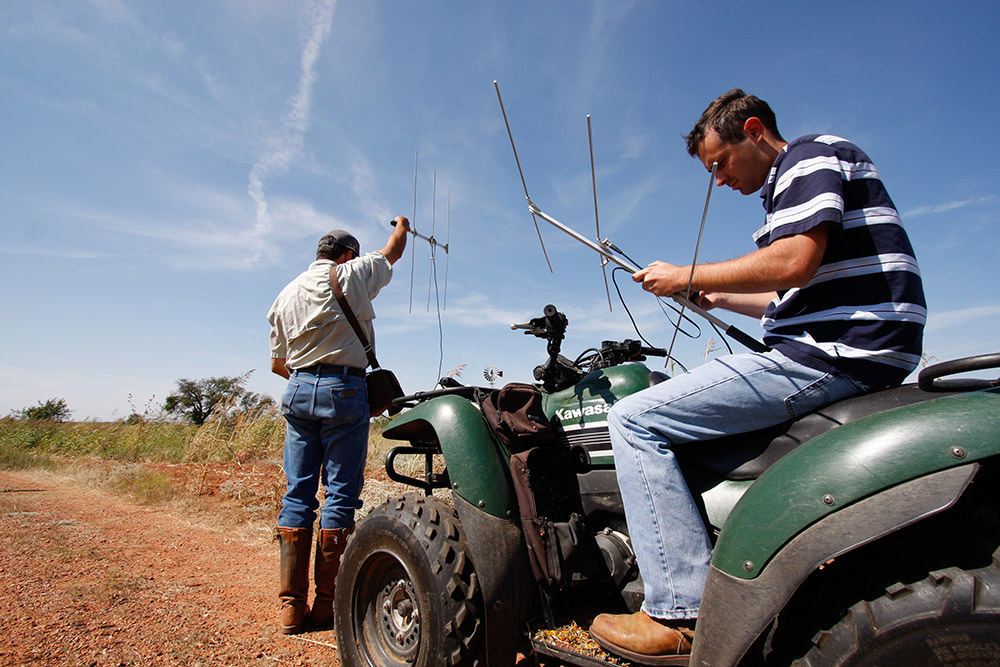
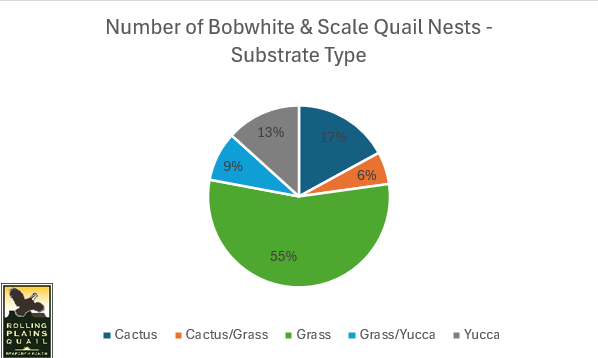
From 2014 to 2025, RPQRR technicians monitored 549 quail nests across a variety of rangeland habitats. Each nest was classified by the type of substrate it was built in—such as grass, yucca, cactus, woody cover, or litter—and whether it successfully hatched or failed. By examining patterns over 11 years, we were able to identify clear differences in nesting success tied to both habitat and species.
The results showed that not all nesting covers are created equal. Nests placed in yucca and cactus had the highest hatching success, with about 62% of those nests successfully hatching. Grass nests had moderate success, with just over half hatching. Interestingly, nests built in mixed substrates—such as grass combined with yucca or woody cover—also performed well. These findings suggest that structural complexity and good concealment play a major role in protecting nests from predators and environmental stress.
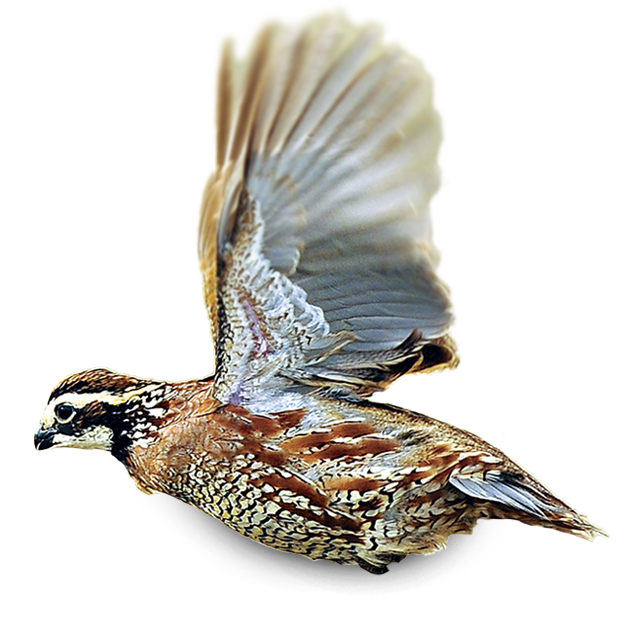
The study also highlighted differences between species. Northern bobwhite most often selected grass substrates for nesting, while Scaled quail showed a strong preference for cactus and yucca. These choices likely reflect different nesting strategies and adaptations to the landscape, even though both species benefit from adequate cover and concealment.
Overall, the findings reinforce the importance of habitat diversity. Management practices that maintain dense grass structure while also preserving moderate shrub components—such as yucca and cactus—are likely to improve nesting success for both quail species. A mosaic of grasses and shrubs not only supports species-specific nesting preferences, but also boosts overall reproductive productivity.
As land managers and conservationists look for ways to support quail populations, this long-term research from RPQRR provides valuable guidance: diverse, well-structured habitats matter, especially when it comes to giving quail nests their best chance to succeed.