

By Mitchell Riggs
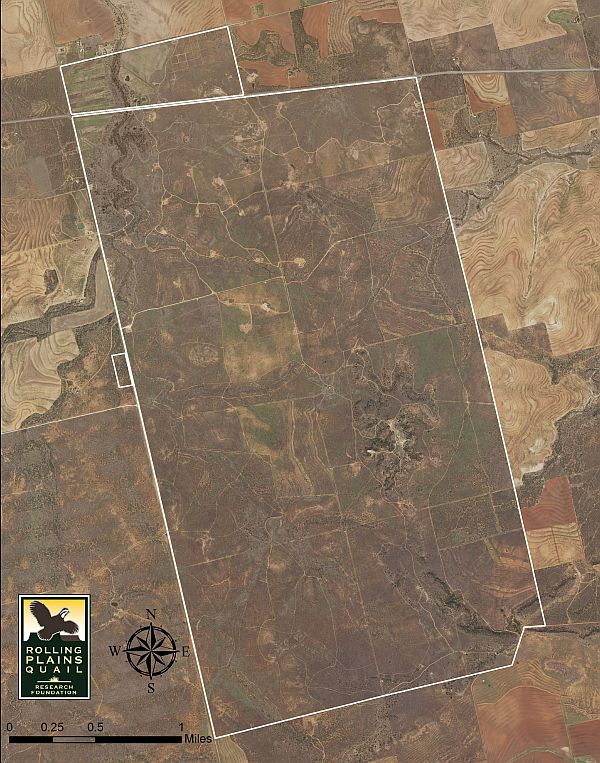
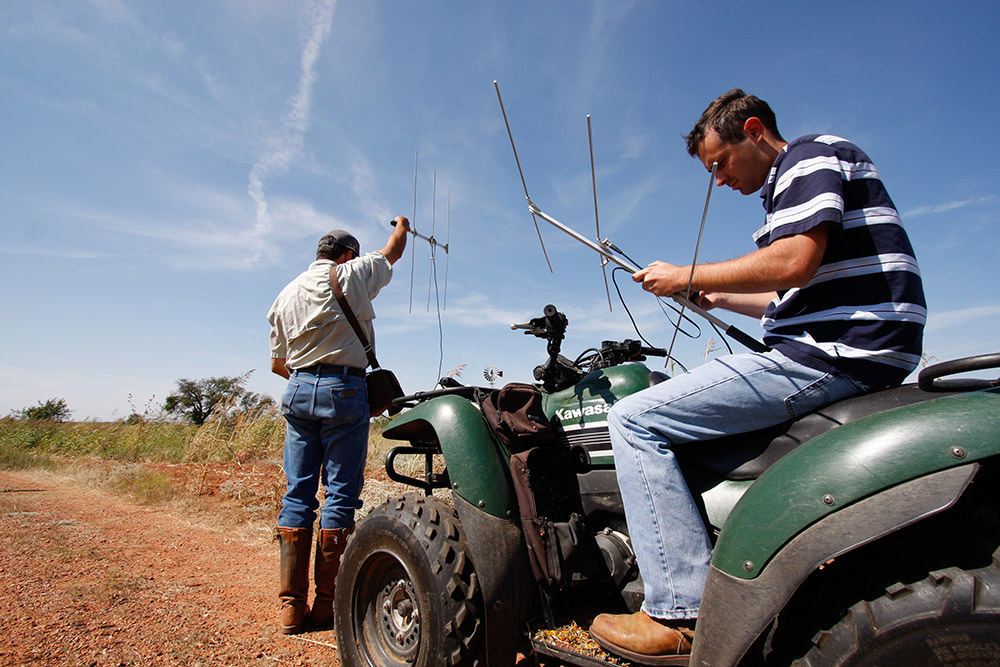
This past month, we completed our annual spring call counts on the Rolling Plains Quail Research Ranch. Surveys were conducted between May 15 and July 15. During that period, we completed 321 call counts across 25 listening stations. On average, we detected 4.7 calling males per stop and 43 total calls per stop. This is down from last year’s averages of 7.3 calling males per stop and 92 calls per stop.
We experienced good winter carryover of quail into the spring, but rainfall has been well below average. From January 1 through July 15, the Research Ranch received 9.58 inches of rainfall. During the same period in 2025, we received 15.58 inches, while the long-term average is 12.84 inches. That means rainfall this year is 38% lower than the same period in 2025 and 25% below the long-term average.
While the number of adult birds entering the breeding season was encouraging, below-average rainfall can reduce insect abundance and limit the growth of grasses and forbs that provide the food and cover quail need for successful nesting and brood rearing.
While conditions have remained dry on the Research Ranch, many other areas of Texas have received well-above-average rainfall, including the eastern Rolling Plains, South Texas, the Edwards Plateau, and the Trans-Pecos.
Quail conditions can vary dramatically across the state, and we always enjoy hearing reports from the field. If you’re a landowner or manager, let us know what you’re seeing in your area. How has the rainfall been? What are quail numbers looking like? Are you seeing good nesting activity or broods?
Your observations help paint a better picture of quail conditions across Texas, so share your updates with us! Find our contact information