96

e-Quail News (April 2026)

<!–

͏ ‌     ͏ ‌     ͏ ‌     ͏ ‌     ͏ ‌     ͏ ‌     ͏ ‌     ͏ ‌     ͏ ‌     ͏ ‌     ͏ ‌     ͏ ‌     ͏ ‌     ͏ ‌     ͏ ‌     ͏ ‌     ͏ ‌     ͏ ‌     ͏ ‌     ͏ ‌     ͏ ‌     ͏ ‌     ͏ ‌     ͏ ‌     ͏ ‌     ͏ ‌     ͏ ‌     ͏ ‌     ͏ ‌     ͏ ‌     ͏ ‌     ͏ ‌     ͏ ‌     ͏ ‌     ͏ ‌     ͏ ‌     ͏ ‌     ͏ ‌     ͏ ‌     ͏ ‌     ͏ ‌     ͏ ‌     ͏ ‌     ͏ ‌     ͏ ‌     ͏ ‌     ͏ ‌     ͏ ‌     ͏ ‌     ͏ ‌     ͏ ‌     ͏ ‌     ͏ ‌     ͏ ‌     ͏ ‌     ͏ ‌     ͏ ‌     ͏ ‌     ͏ ‌     ͏ ‌     ͏ ‌     ͏ ‌     ͏ ‌     ͏ ‌     ͏ ‌     ͏ ‌     ͏ ‌     ͏ ‌     ͏ ‌     ͏ ‌     ͏ ‌     ͏ ‌     ͏ ‌     ͏ ‌     ͏ ‌     ͏ ‌     ͏ ‌     ͏ ‌     ͏ ‌     ͏ ‌     ͏ ‌     ͏ ‌     ͏ ‌     ͏ ‌     ͏ ‌     ͏ ‌     ͏ ‌     ͏ ‌     ͏ ‌     ͏ ‌     ͏ ‌     ͏ ‌     ͏ ‌     ͏ ‌     ͏ ‌     ͏ ‌     ͏ ‌     ͏ ‌     ͏ ‌     ͏ ‌     ͏ ‌     ͏ ‌     ͏ ‌     ͏ ‌     ͏ ‌     ͏ ‌     ͏ ‌     ͏ ‌     ͏ ‌     ͏ ‌     ͏ ‌     ͏ ‌     ͏ ‌     ͏ ‌     ͏ ‌     ͏ ‌     ͏ ‌     ͏ ‌     ͏ ‌     ͏ ‌     ͏ ‌     ͏ ‌     ͏ ‌     ͏ ‌     ͏ ‌     ͏ ‌     ͏ ‌     ͏ ‌     ͏ ‌     ͏ ‌     ͏ ‌     ͏ ‌     ͏ ‌     ͏ ‌     ͏ ‌     ͏ ‌     ͏ ‌     ͏ ‌     ͏ ‌     ͏ ‌     ͏ ‌     ͏ ‌     ͏ ‌     ͏ ‌     ͏ ‌     ͏ ‌     ͏ ‌     ͏ ‌     ͏ ‌     ͏ ‌     ͏ ‌     ͏ ‌     ͏ ‌     ͏ ‌     ͏ ‌     ͏ ‌     ͏ ‌     ͏ ‌     ͏ ‌     ͏ ‌     ͏ ‌     ͏ ‌     ͏ ‌     ͏ ‌     ͏ ‌     ͏ ‌     ͏ ‌     ͏ ‌     ͏ ‌     ͏ ‌     ͏ ‌     ͏ ‌     ͏ ‌     ͏ ‌     ͏ ‌     ͏ ‌     ͏ ‌     ͏ ‌     ͏ ‌     ͏ ‌     ͏ ‌     ͏ ‌     ͏ ‌     ͏ ‌     ͏ ‌     ͏ ‌     ͏ ‌     ͏ ‌     ͏ ‌     ͏ ‌     ͏ ‌     ͏ ‌     ͏ ‌     ͏ ‌     ͏ ‌     ͏ ‌     ͏ ‌     ͏ ‌     ͏ ‌     ͏ ‌     ͏ ‌     ͏ ‌     ͏ ‌     ͏ ‌     ͏ ‌     ͏ ‌     ͏ ‌     ͏ ‌     ͏ ‌     ͏ ‌     ͏ ‌     ͏ ‌     ͏ ‌     ͏ ‌     ͏ ‌     ͏ ‌     ͏ ‌     ͏ ‌     ͏ ‌     ͏ ‌     ͏ ‌     ͏ ‌     ͏ ‌     ͏ ‌     ͏ ‌     ͏ ‌     ͏ ‌     ͏ ‌     ͏ ‌     ͏ ‌     ͏ ‌     ͏ ‌     ͏ ‌     ͏ ‌     ͏ ‌     ͏ ‌     ͏ ‌     ͏ ‌     ͏ ‌     ͏ ‌     ͏ ‌     ͏ ‌     ͏ ‌     ͏ ‌     ͏ ‌     ͏ ‌     ͏ ‌     ͏ ‌     ͏ ‌     ͏ ‌     ͏ ‌     ͏ ‌     ͏ ‌     ͏ ‌     ͏ ‌     ͏ ‌     ͏ ‌     ͏ ‌     ͏ ‌     ͏ ‌     ͏ ‌     ͏ ‌     ͏ ‌     ͏ ‌     ͏ ‌     ͏ ‌     ͏ ‌     ͏ ‌     ͏ ‌     ͏ ‌     ͏ ‌     ͏ ‌     ͏ ‌     ͏ ‌     ͏ ‌     ͏ ‌     ͏ ‌     ͏ ‌     ͏ ‌     ͏ ‌     ͏ ‌     ͏ ‌     ͏ ‌     ͏ ‌     ͏ ‌     ͏ ‌     ͏ ‌     ͏ ‌     ͏ ‌     ͏ ‌     ͏ ‌     ͏ ‌     ͏ ‌     ͏ ‌     ͏ ‌     ͏ ‌     ͏ ‌     ͏ ‌     ͏ ‌     ͏ ‌     ͏ ‌     ͏ ‌     ͏ ‌     ͏ ‌     ͏ ‌     ͏ ‌     ͏ ‌     ͏ ‌     ͏ ‌     ͏ ‌     ͏ ‌     ͏ ‌     ͏ ‌     ͏ ‌     ͏ ‌     ͏ ‌     ͏ ‌     ͏ ‌     ͏ ‌     ͏ ‌    ­ ­ ­ ­ ­ ­ ­ ­ ­ ­ ­ ­ ­ ­ ­ ­ ­ ­ ­ ­ ­ ­ ­ ­ ­ ­ ­ ­ ­ ­ ­ ­ ­ ­ ­ ­ ­ ­ ­ ­ ­ ­ ­ ­ ­ ­ ­ ­ ­ ­ ­ ­ ­ ­ ­ ­ ­ ­ ­ ­ ­ ­ ­ ­ ­ ­ ­ ­ ­ ­ ­ ­ ­ ­ ­ ­ ­ ­ ­ ­ ­ ­ ­ ­ ­ ­ ­ ­ ­ ­ ­ ­ ­ ­ ­ ­ ­ ­ ­ ­ ­ ­ ­ ­ ­ ­ ­ ­ ­ ­ ­ ­ ­ ­ ­ ­ ­ ­ ­ ­ ­ ­ ­ ­ ­ ­ ­ ­ ­ ­ ­ ­ ­ ­ ­ ­ ­ ­ ­ ­ ­ ­ ­ ­ ­ ­ ­ ­ ­ ­ ­ ­ ­ ­ ­ ­ ­ ­ ­ ­ ­ ­ ­ ­ ­ ­ ­ ­ ­ ­ ­ ­ ­ ­ ­ ­ ­ ­ ­ ­ ­ ­ ­ ­ ­ ­ ­ ­ ­ ­ ­ ­ ­ ­ ­ ­ ­ ­ ­ ­ ­ ­ ­ ­ ­ ­ ­ ­ ­ ­ ­ ­ ­ ­ ­ ­ ­ ­ ­ ­ ­ ­ ­ ­ ­ ­ ­ ­ ­ ­ ­ ­ ­ ­ ­ ­ ­ ­ ­ ­ ­ ­ ­ ­ ­ ­ ­ ­ ­ ­ ­ ­ ­ ­ ­ ­ ­ ­ ­ ­ ­ ­ ­ ­ ­ ­ ­ ­ ­ ­ ­ ­ ­ ­ ­ ­ ­ ­ ­ ­ ­ ­

<!–[if (gte mso 9)|(IE)]>
<![endif]–>

<!–

Vol 18 • No. 4

<!–

<!–[if (gte mso 9)|(IE)]>

<![endif]–>
<!–[if (gte mso 9)|(IE)]>
<![endif]–>

Landowner Incentives and TTT Permits

by Dr. Ryan O’Shaughnessy

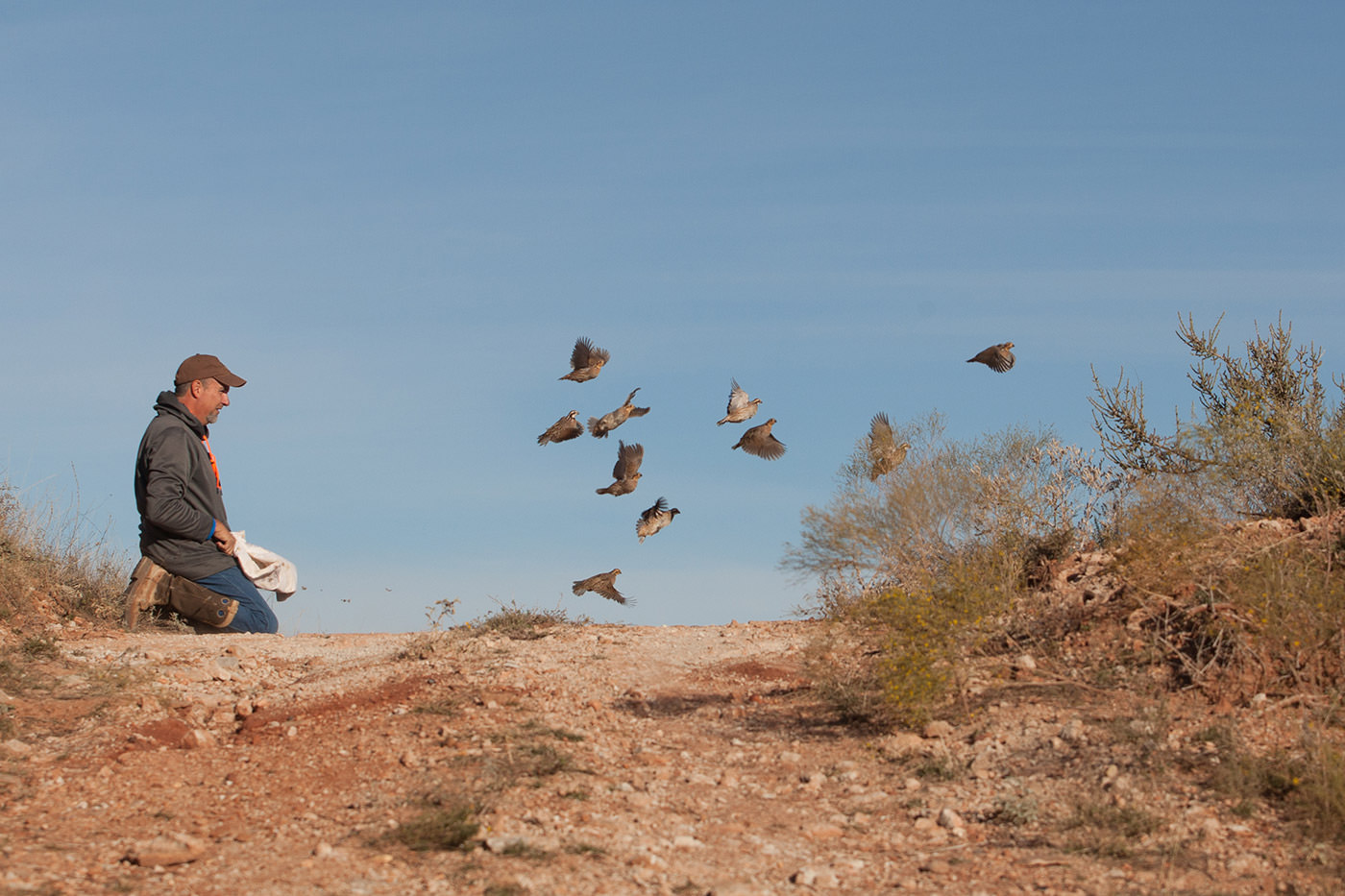
Across much of their historic range, native quail populations have declined due to habitat loss, fragmentation, and changing land use practices. While conservation programs and research have made meaningful contributions, the future of quail ultimately depends on one critical factor: the willingness of private landowners to invest in habitat restoration. In this context, state-issued TTT permits—Trap, Transport, and Translocate—represent one of the most practical and effective tools available to align conservation outcomes with landowner incentives.

Most quail habitat exists on private lands. Landowners who commit time, effort, and financial resources to restoring native grasslands, implementing prescribed fire, managing grazing, and controlling invasive species are performing essential conservation work. However, habitat improvements alone may not always lead to rapid population recovery, particularly in areas where quail numbers are already severely depressed or locally absent. This is where TTT permits become invaluable.

TTT permits allow landowners to capture wild quail from healthy populations and translocate them to suitable, restored habitats. When implemented responsibly and guided by sound science, translocation can help reestablish populations, increase genetic diversity, and accelerate recovery timelines. More importantly, the availability of these permits provides a tangible incentive for landowners to invest in high-quality habitat. Without the ability to reintroduce birds, many landowners may hesitate to commit significant resources, especially when natural recolonization is uncertain or slow.

From a policy perspective, TTT permits represent a partnership between state agencies and private land stewards. Agencies maintain oversight to ensure sustainability and protect source populations, while landowners become active participants in conservation. This collaborative model fosters shared responsibility and expands the scale at which habitat restoration can occur—far beyond what public lands alone can support.

Critically, TTT programs also reinforce a results-driven approach to conservation. Landowners are more likely to adopt best management practices when they can see measurable outcomes, such as the return of quail to their property. This creates a positive feedback loop: improved habitat supports translocated birds, successful populations encourage continued stewardship, and neighboring landowners are often inspired to follow suit.

In the face of widespread quail declines, conservation strategies must be both practical and motivating. State agencies issuing TTT permits provide a clear pathway to achieve both. By empowering landowners and rewarding habitat investment, these programs help ensure that quail restoration is not just an ideal—but an achievable, scalable reality.

<!–

Spring Trapping Indicates Strong Overwinter Survival

By Mitchell Riggs

We have officially concluded our spring 2026 trapping efforts. Conditions across the Rolling Plains have been hot and dry, but despite this, we were pleasantly surprised by the number of birds captured. Staff and volunteers handled 1,762 unique birds, indicating strong winter survival and encouraging numbers heading into the breeding season.

Looking ahead, continued dry conditions will likely limit reproductive success. However, timely April and May rainfall could quickly shift conditions in our favor and set the stage for another strong hunting season.

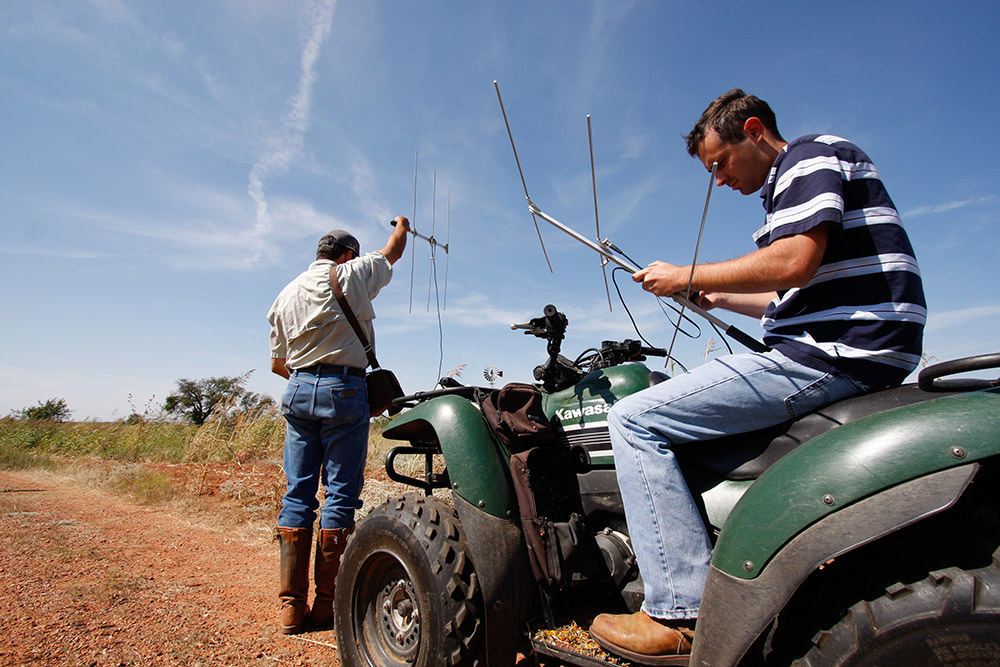
This season, we deployed 50 GPS backpacks and 60 VHF collars. In addition to comparing the cost and performance of these technologies, this work allows us to monitor survival, evaluate nesting success, and assess the effectiveness of fenbendazole treatments in wild bobwhite populations.

<!–

From our Facebook Page

by Dana Wright

The Facebook post of the month goes to a “We’re Hiring” post, which received over 23,000 views!

It’s clear that current college students and recent graduates recognize the importance of gaining hands-on experience in wildlife research and habitat management. Positions in wildlife management are highly competitive, and having real-world experience can make all the difference when applying for these roles.

We’re proud to provide aspiring wildlife biologists with opportunities that help them build the skills needed to achieve their career goals. In 2025 alone, we employed 11 technicians at the research ranch. Some joined us for just a few months, while others stayed longer—but all gained invaluable, hands-on knowledge of quail biology and management.

Wherever their careers take them, we hope they carry that knowledge forward and continue to share the importance of conserving our native rangelands for the benefit of wild quail. We have just finished interviews this week for summer positions, if you are interested in applying for one of our seasonal technician positions, we post these opportunities on the Texas A&M Natural Resources Job Board.

<!–

Parasites in Quail Project Update

Quail hunters, thank you for submitting your harvested birds to us for our Parasites in Quail Research Project! Here is an update for you of what we have done so far.

A total of 812 heads and 617 ceca were submitted across medicated, non-medicated, and gavaged treatment groups. Of these, 302 heads and 211 ceca were successfully processed. Some samples could not be necropsied due to damage (e.g., shot specimens), missing parts, or head-only submissions.

Birds were received from both Texas and Oregon, representing five species: bobwhite, scaled quail, California quail, chukar, and Hungarian partridge (Huns).

Parasite loads varied widely among individuals:

Eyeworms: ranged from 0 to 78 per bird, with an average of 8 worms per bird

Cecal worms: ranged from 0 to 1,329 per bird, with an average of 214 worms per bird

Special thanks to Park Cities Quail Coalition for funding this research and to some of our volunteers from Quail Forever, Tarleton State University and University of North Texas who helped with necropsies!

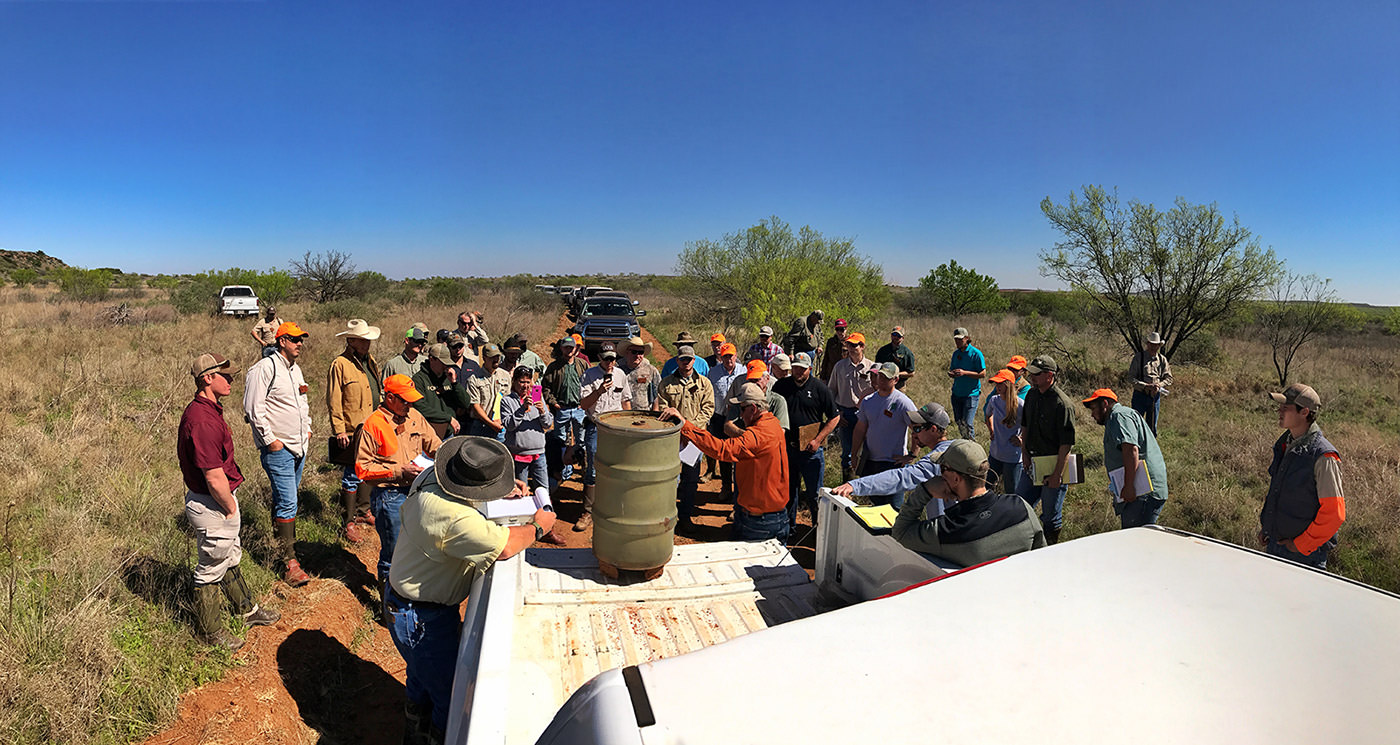
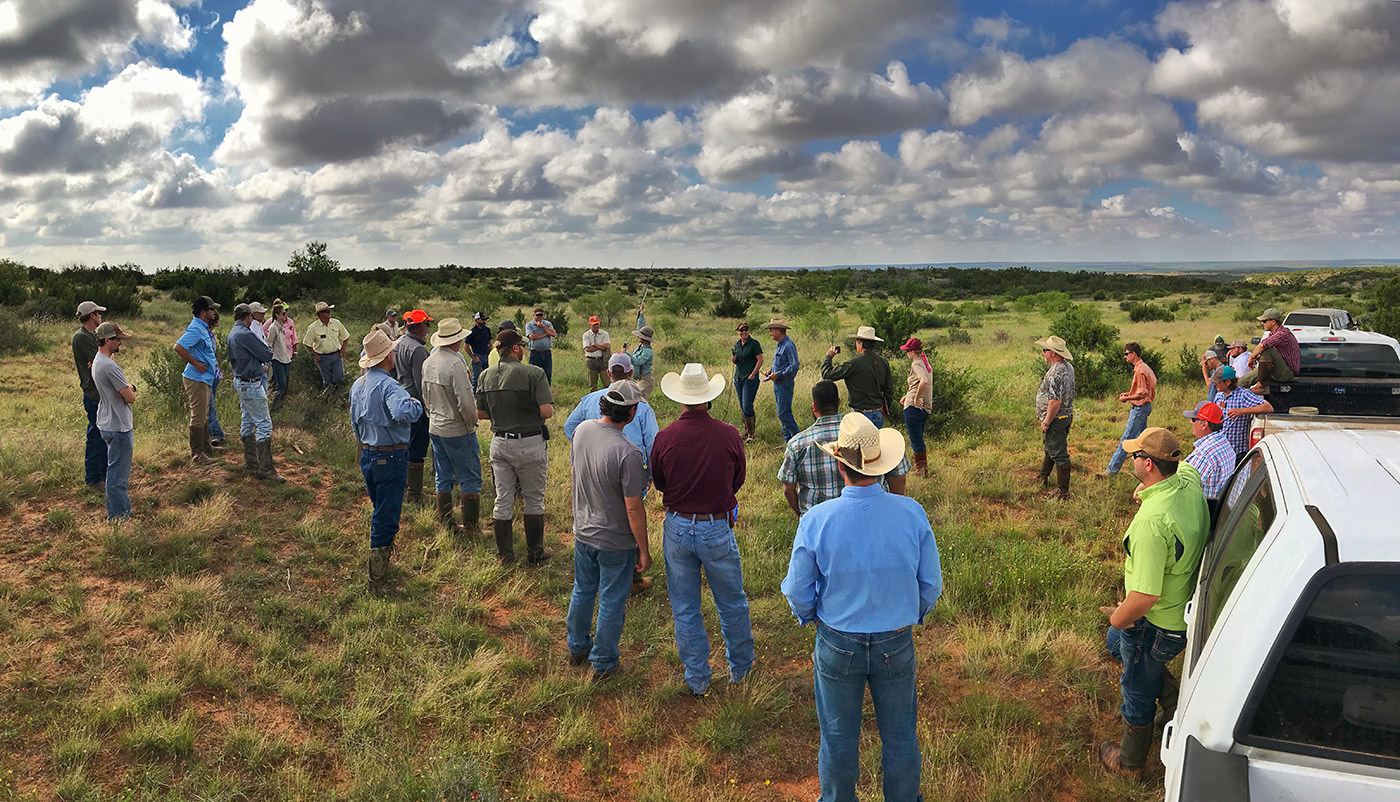
Annual Rolling Plains Quail Research Field Day to be Held Friday, May 22

The Rolling Plains Quail Research Ranch Annual Field Day will be held on Friday, May 22, 2026 at the Research Ranch headquarters located at 1262 US HWY 180 W, Rotan, Texas (21 miles east of Snyder or 8 miles west of Roby).

The event starts with registration (coffee & donuts) between 8AM – 9AM, program will begin at 9AM followed by a catered lunch and ranch tour.

Attendees will learn about a wide range of quail research and management topics, including habitat and brush management, native plant restoration, parasites in quail, supplemental feeding, tracking technology, virtual fencing as a grazing management tool, and quail hunting. Overall, the field day is an educational event focused on the latest quail research and practical strategies for quail conservation and land management.

Registration costs $25 before May 17 and $35 after, with lunch and refreshments included. Rolling Plains Quail Research Ranch Annual Field Day

<!–

In the News…

The Texas Parks & Wildlife Commission approves the 2026-27 statewide hunting and migratory game bird regulations. Changes to note for upland game bird hunting:

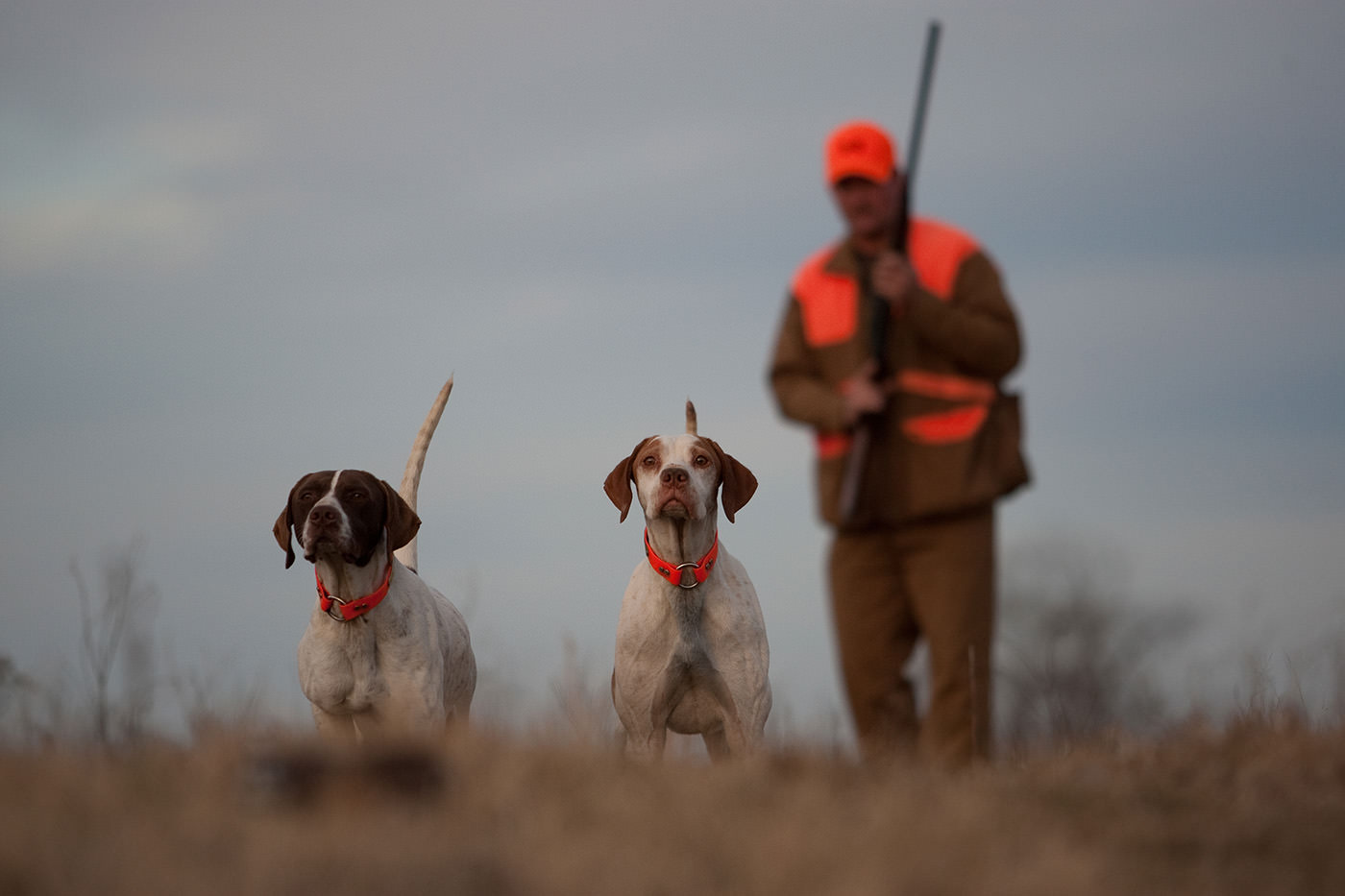
  • Chachalaca and quail hunting season dates were aligned, they will open November 1, 2026 and run thru February 28, 2027

  • Due to the overall decline in wild turkey populations across Texas, annual bag limits were changed to only gobblers and bearded hens in counties where either sex is currently allowed for wild turkey hunting.

<!–

Warmer Temps Could Equal Early Nesting Season?

Many record temperatures were broke during the month of March, on the hot side, not on the cool side! Could this equate to a earlier quail nesting season, which is typically great for quail, resulting in a longer nesting season and an opportunity to get more broods on the ground. However, these warmer temps could also be a warning of what kind of summer we are in for, hot and dry! Check out the Texas 12-month average temperature graph below!

Forecasters are predicting a 60% or greater chance of El Nino’ developing this summer, which could bring us some much needed rain.

<!–

Dates to Remember:

April 9, 2026Hill Country Quail Coalition Banquet

April 10, 2026MythBusters Program for Wildlife Tall Tales at RPQRR

April 23, 2026Sooner State Quail Coalition Banquet (Honoring Dr. Dale Rollins with the Delmar Smith Lifetime Sportsman Award)

May 22, 2026Annual RPQRR Field Day

The Rolling Plains Quail Research Foundation greatly depends on annual  donations. We hope you will consider making a contribution to help us continue our mission of preserving Texas’ wild quail hunting heritage for this, and future, generations!

<!–

<!–[if (gte mso 9)|(IE)]>

<![endif]–>
<!–[if (gte mso 9)|(IE)]>
<![endif]–>

<!–[if (gte mso 9)|(IE)]>

<![endif]–>