

By Dr. Dan Foley
Each summer, I receive calls from landowners reporting several groups of small quail on their ranch. They often mention that some chicks are nearly grown while others are only days old. The immediate conclusion is that the quail must be producing their second—or perhaps even third—round of young.
That interpretation is understandable, but it is usually not what the landowner is observing. First, a terminology point: a group of eggs is a clutch, whereas a group of chicks is a brood. Seeing broods of noticeably different ages demonstrates that different nests hatched at different times. It does not establish that the same hens successfully produced multiple broods.
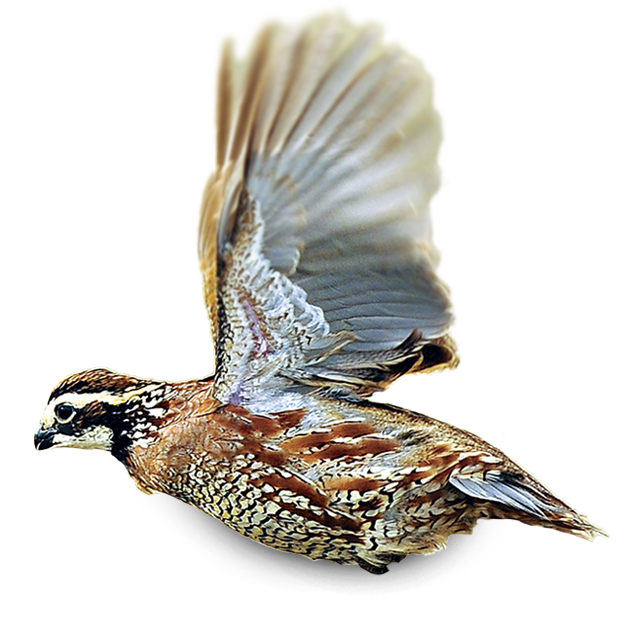
Bobwhite nesting is highly asynchronous, meaning they do not happen at the same time or speed, especially in the Rolling Plains. One hen may begin nesting in April and hatch her first clutch in June. Another may lose her initial nest to a predator and produce another clutch several weeks later. A third may delay nesting until summer rainfall improves vegetation, insect availability, and body condition. By August, the same ranch could contain broods that are six weeks, three weeks, and only a few days old—even though each hen has produced only one successful brood.
The older chicks are not producing those younger broods, either. Young bobwhites grow rapidly and, by approximately 12–16 weeks of age, closely resemble adults in both size and plumage. Their adult appearance can be misleading because they remain sexually immature. Under natural conditions in the Rolling Plains, bobwhites do not reproduce during the same year in which they hatch. They join the breeding population the following spring. Therefore, a brood hatched in May or June is not responsible for a new brood observed later that summer.
Renesting is probably the most important source of late broods. A hen whose first nest fails may produce a replacement clutch and, if necessary, make an additional attempt later. These are multiple clutches, but they are not multiple broods unless more than one clutch successfully hatches. A late hatch frequently represents a hen’s first reproductive success following one or more earlier failures.
Weather adds another layer. Reproduction in the Rolling Plains is closely tied to precipitation. Drought and extreme heat can interrupt egg production or delay nesting, while a well-timed summer rain may restart reproductive activity. This creates an extended and irregular hatch rather than a single, synchronized pulse.
Brood mixing can also confuse field observations. Bobwhites readily adopt chicks or combine broods following adult mortality, brood abandonment, or encounters between family groups. A single adult may therefore be accompanied by chicks of different ages that originated from different nests. Mixed-size chicks following one adult are not reliable evidence of double brooding.
None of this means bobwhites cannot produce multiple successful broods. They can. Either sex may incubate, allowing a hen to lay a clutch that is incubated by a male and then begin another clutch while he remains with the first nest. The male may subsequently raise the first brood while the hen incubates the second. True double brooding is therefore biologically possible and well documented. Triple brooding has also been recorded, but it is rare.
The available research indicates that repeated nesting attempts are common, whereas multiple successful broods from the same individual are uncommon. In a five-year western Oklahoma study, approximately one-third of monitored hens renested, but only about 10% produced a second successful brood.
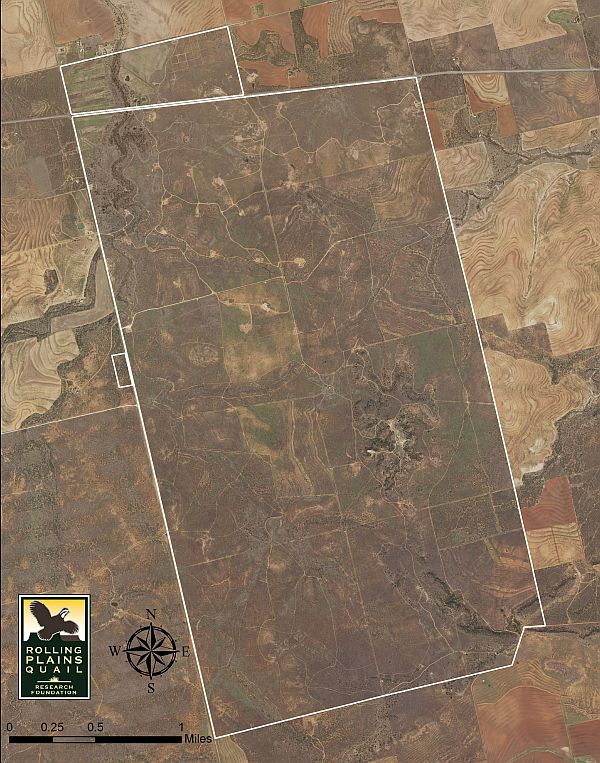
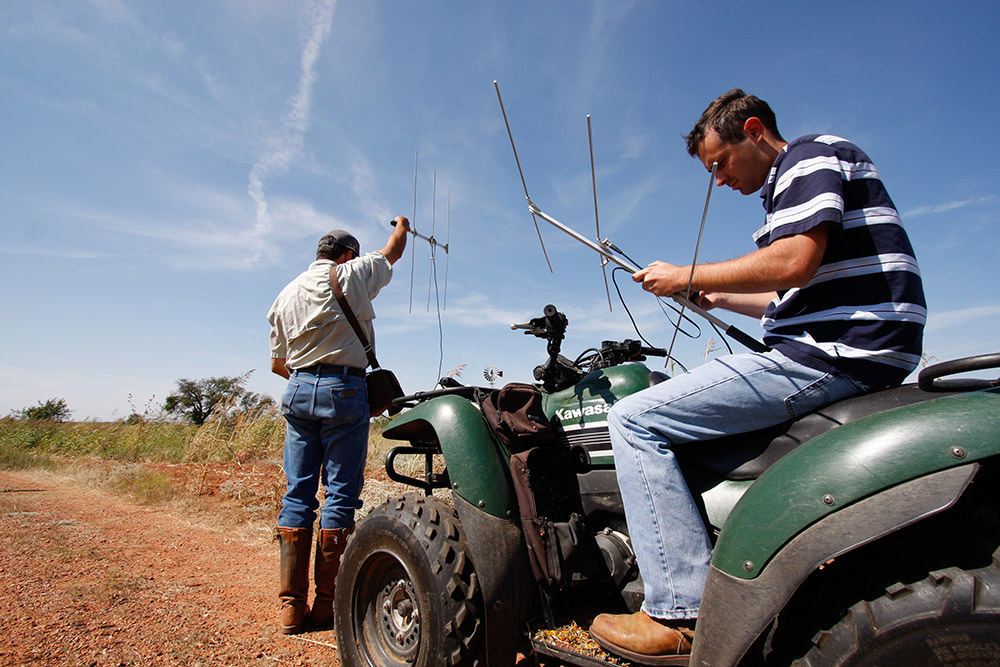
The practical conclusion is simple: broods of different ages across a ranch primarily indicate a long, staggered nesting season—not widespread second- or third-brooding. Confirming multiple brooding requires following the same marked individual through two successful nests. GPS and accelerometer collars that are being tested at the Research Ranch now provide a much better opportunity to document that sequence and determine how frequently it actually occurs under Rolling Plains conditions.