By Dr. Dan Foley
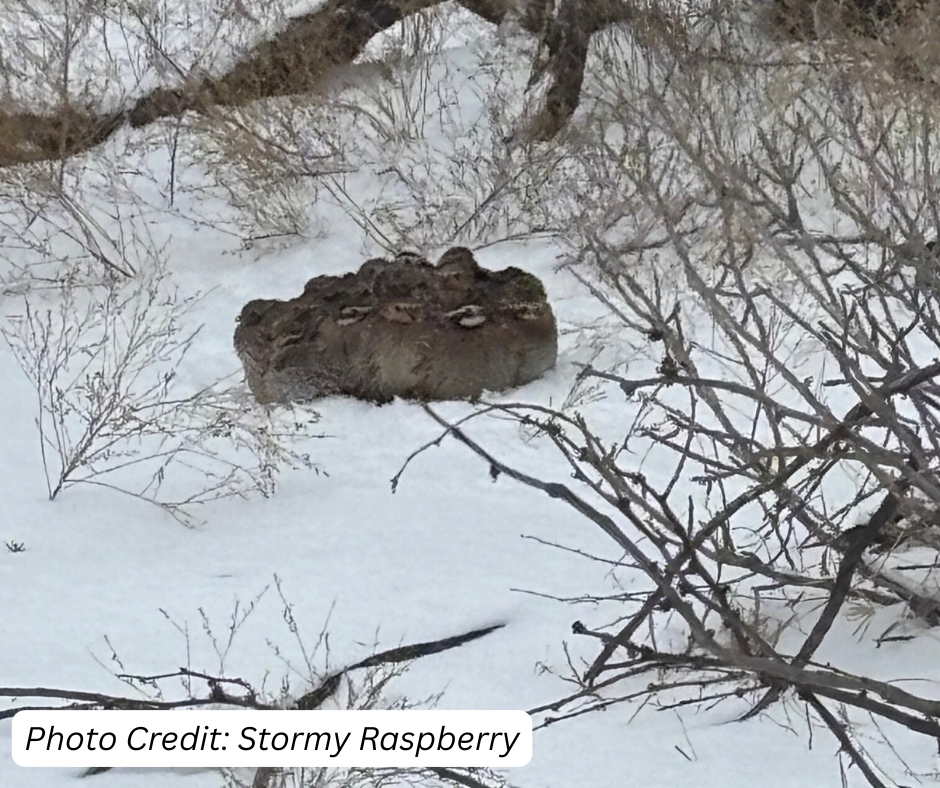
Over 4–5 days towards the end of January, Winter Storm Fern moved through Texas and much of the South with a familiar suite of stressors: hard freezes, wind, sleet/freezing rain, and intermittent snow. A winter-storm disaster proclamation was issued on January 22, 2026, and expanded to 219 Texas counties, underscoring how broadly conditions deteriorated. For bobwhites, storms like Fern matter—but the mechanism is often misunderstood. Northern bobwhite can generally tolerate cold temperatures when two prerequisites are met: (1) good body condition (fat/energy reserves) and (2) habitat structure that lets them conserve heat and access food with minimal exposure. When those prerequisites are satisfied, cold snaps are usually a temporary inconvenience. When they are not, cold becomes the trigger that exposes underlying weaknesses in the system.
Why “Extreme Cold” Kills: The Rapid Pathway to Energy Debt
Bobwhites are small endotherms (warm-blooded). In cold, windy weather, they lose heat fast and must burn more calories to stay warm. Their winter strategy is not to “out-muscle” cold; instead, they attempt to minimize heat loss and minimize risky movement. Two behaviors help them do that:
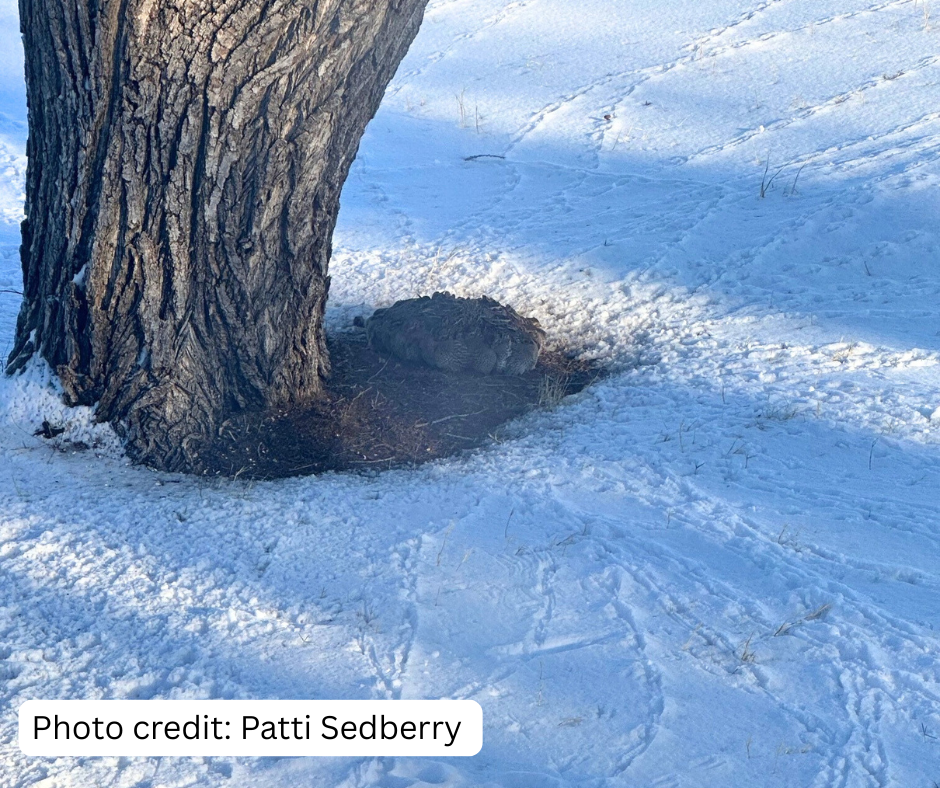
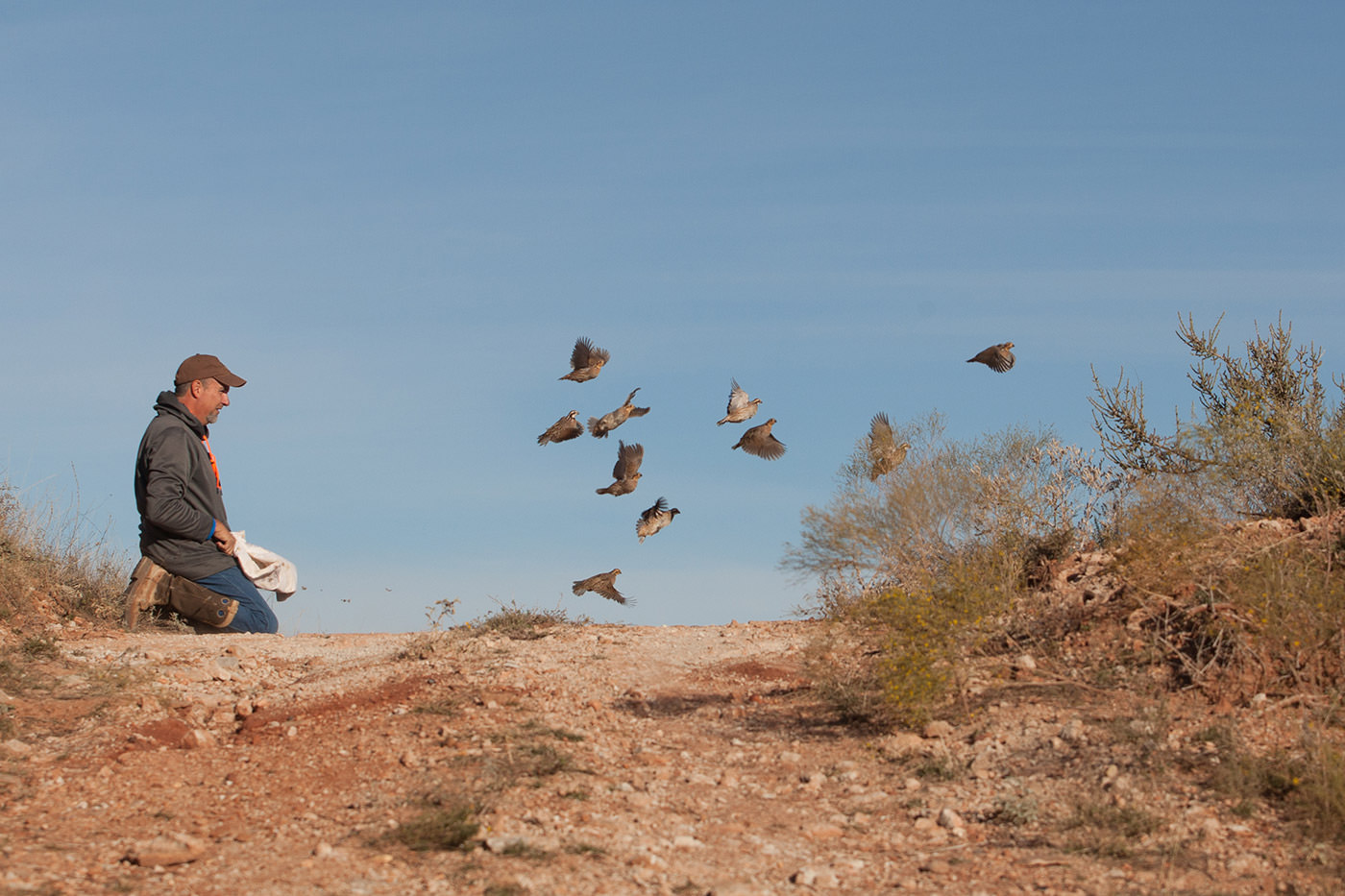
- Coveying and roosting: From fall through early spring, bobwhites form coveys and roost on the ground—often in a tight circle—to conserve energy and improve vigilance.
- Using escape/thermal cover: Dense, low woody cover (thickets, shrubs, brushy edges) reduces wind exposure and provides thermal buffering and predator escape. Guidance documents emphasize maintaining substantial escape/thermal cover as a core winter requirement. When body condition is good and thermal cover is nearby, bobwhites can “ride out” several cold nights. The failure mode occurs when cold weather forces the birds into an energy deficit—an “energy debt”—that they cannot repay because food is scarce or inaccessible, or because reaching it requires long, exposed travel.
The Winter Storm Complication: Ice and Access, Not Just Temperature
In much of Texas, the most dangerous winter ingredient is not snow depth; it is ice. Freezing rain and sleet can crust the ground, coat vegetation, and reduce access to seed resources. Even when food exists, birds may have to spend more time moving and scratching to find it—precisely when movement is most energetically costly and most dangerous. This is where habitat quality determines outcomes. Landscapes that force bobwhites to commute between food and cover (or that lack truly dense “storm shelter” cover) convert an otherwise survivable cold event into a mortality episode. Wildlife managers have long preached the point: winter survival improves when food resources and protective cover are interspersed so birds can feed without prolonged exposure.
Body Condition is a Lagging Indicator of Habitat Quality
“Good body condition” does not appear by accident in January. It is largely the product of late-summer and fall habitat condition: seed-producing forbs, weedy structure, and usable space that allows efficient foraging with adequate cover. When those elements are present, birds enter winter with the energetic cushion needed to handle a winter storm event. Conversely, if fall habitat was thin (poor seed base, excessive “clean” grass, or woody cover too sparse/too tall/too open at ground level), cold weather simply reveals the problem. Quail-centric organizations such as RPQRF, Caesar-Kleberg, Tall Timbers, and many state Ag-extension programs have repeatedly framed winter survival as a year-round management outcome, not a single-season fix.
Practical Takeaways After a Winter Storm Event
If Fern impacted your area, consider these post-storm checks once conditions stabilize:
- Covey presence and distribution: Are coveys still occupying the property broadly, or have they contracted into a few refuge patches?
- Thermal cover spacing: Do you have dense, ground-level woody “storm shelter” cover well distributed (not just in one corner)? Several guidance documents suggest substantial proportions of escape/thermal cover within the landscape mosaic.
- Food–cover distance: Can a covey feed and return to cover in very short moves? If not, cold-weather exposure and predation risk rise.
The bottom line is not that bobwhites are fragile in cold. The bottom line is that bobwhites are condition- and habitat-dependent. With adequate reserves and properly arranged habitat, they can handle cold snaps remarkably well. Winter Storm Fern is best viewed as a field test of resilience—one that tells us, clearly, where the landscape is buffering birds and where it is not.