by Dr. Dan Foley
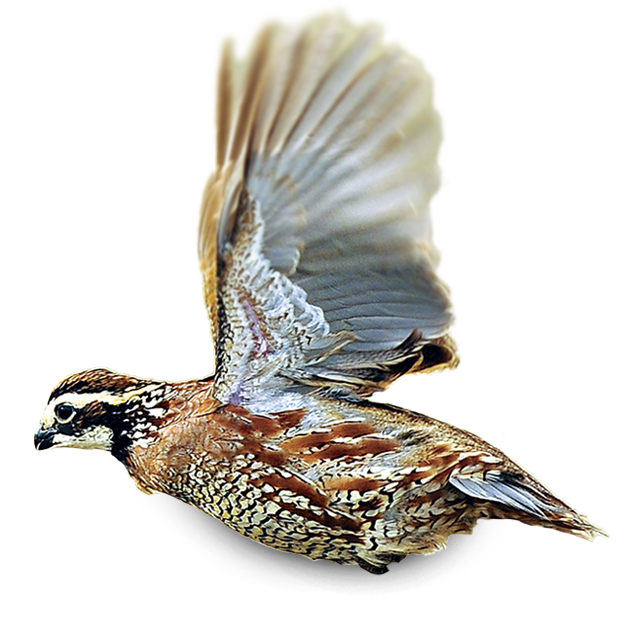
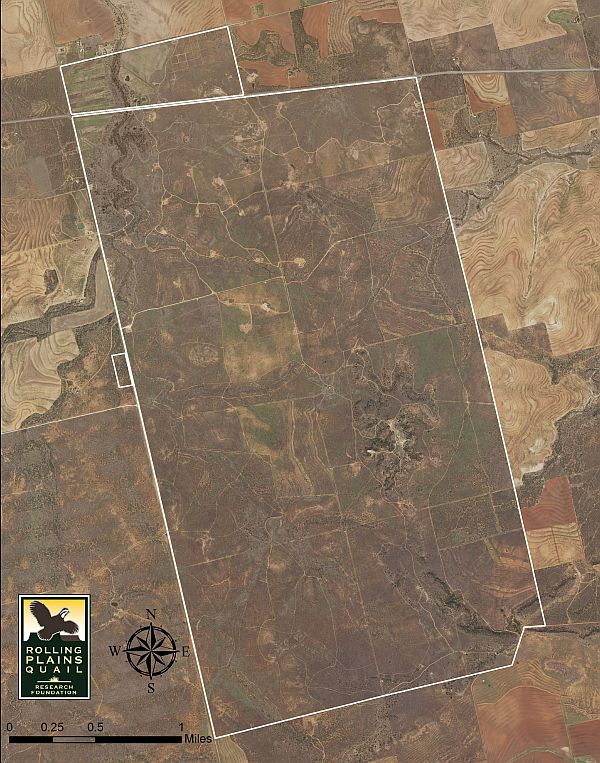
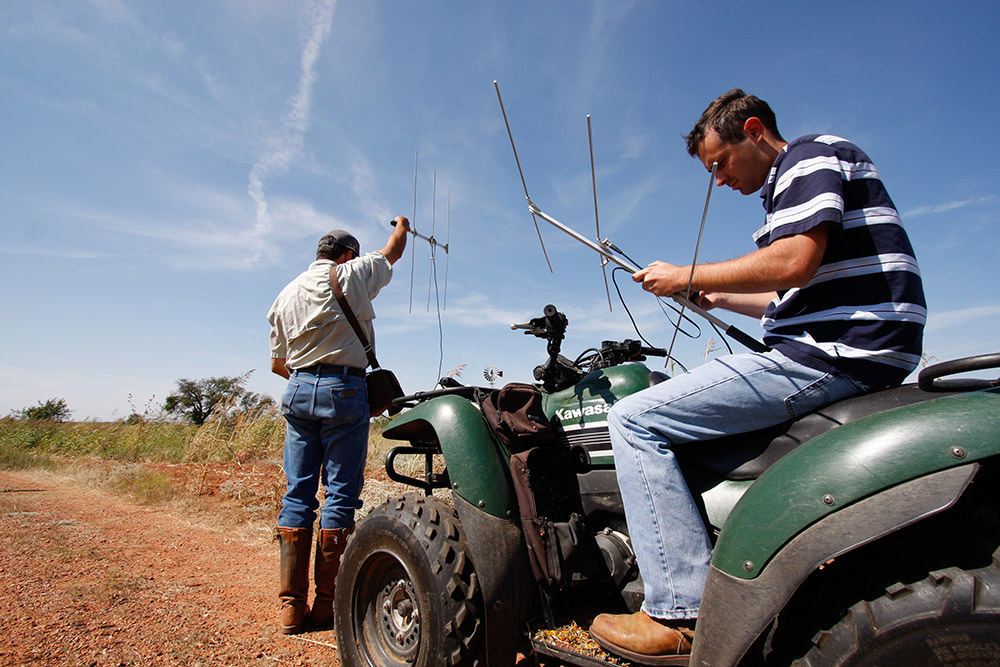
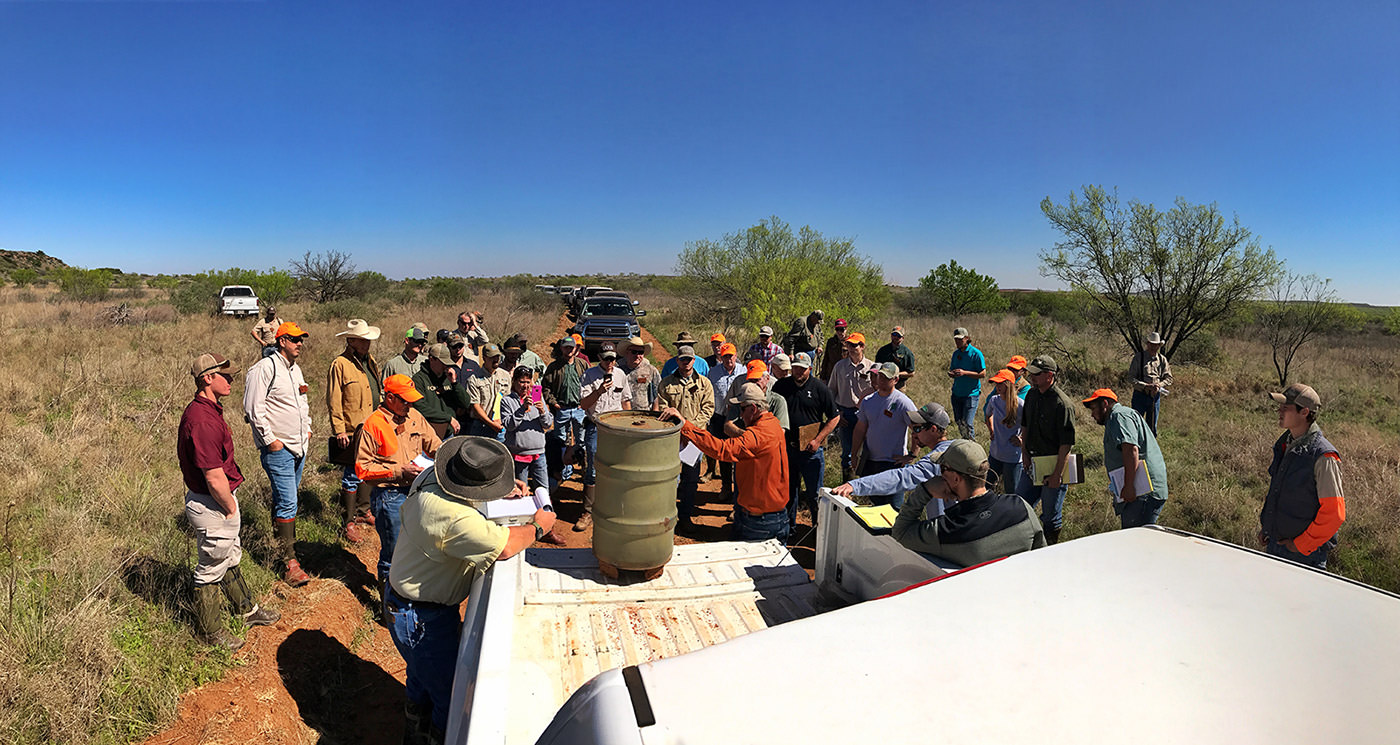
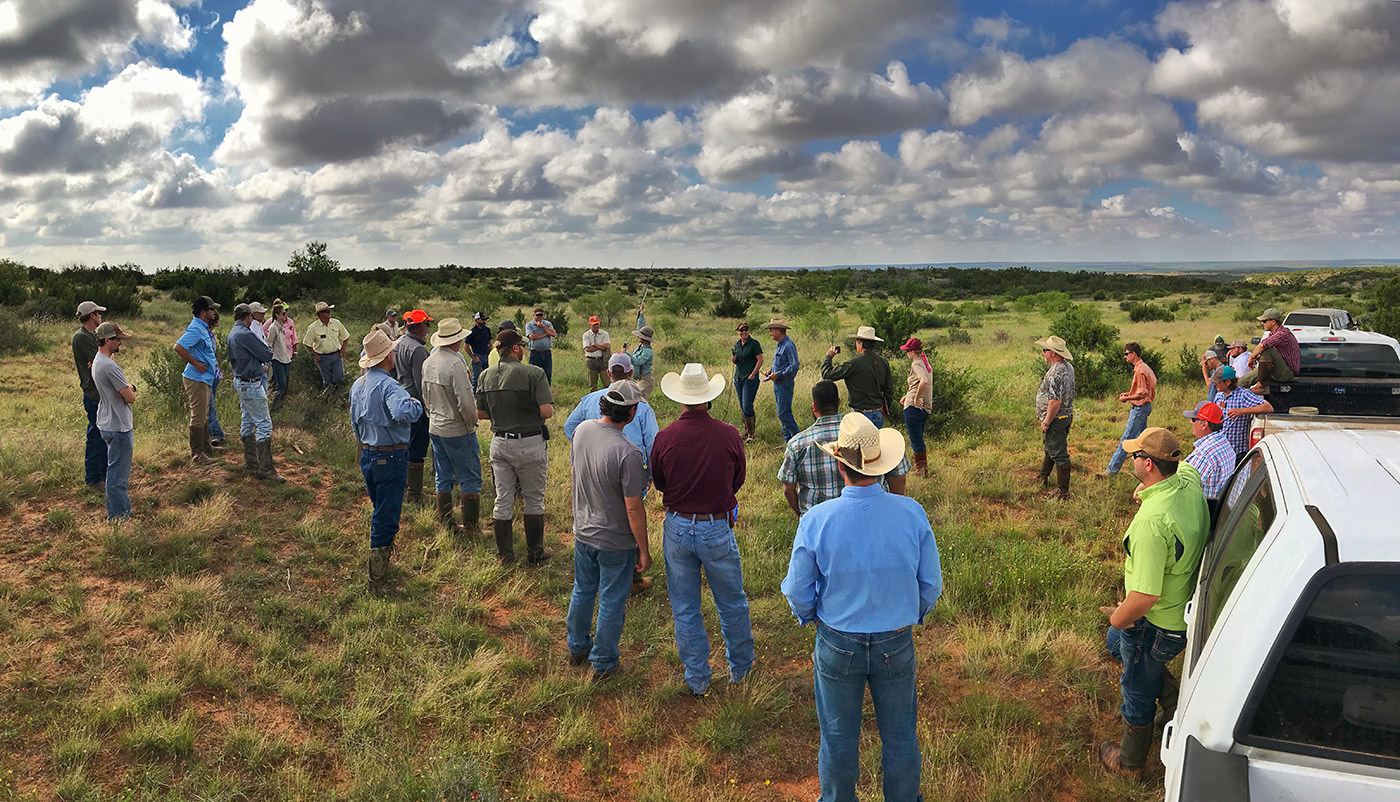
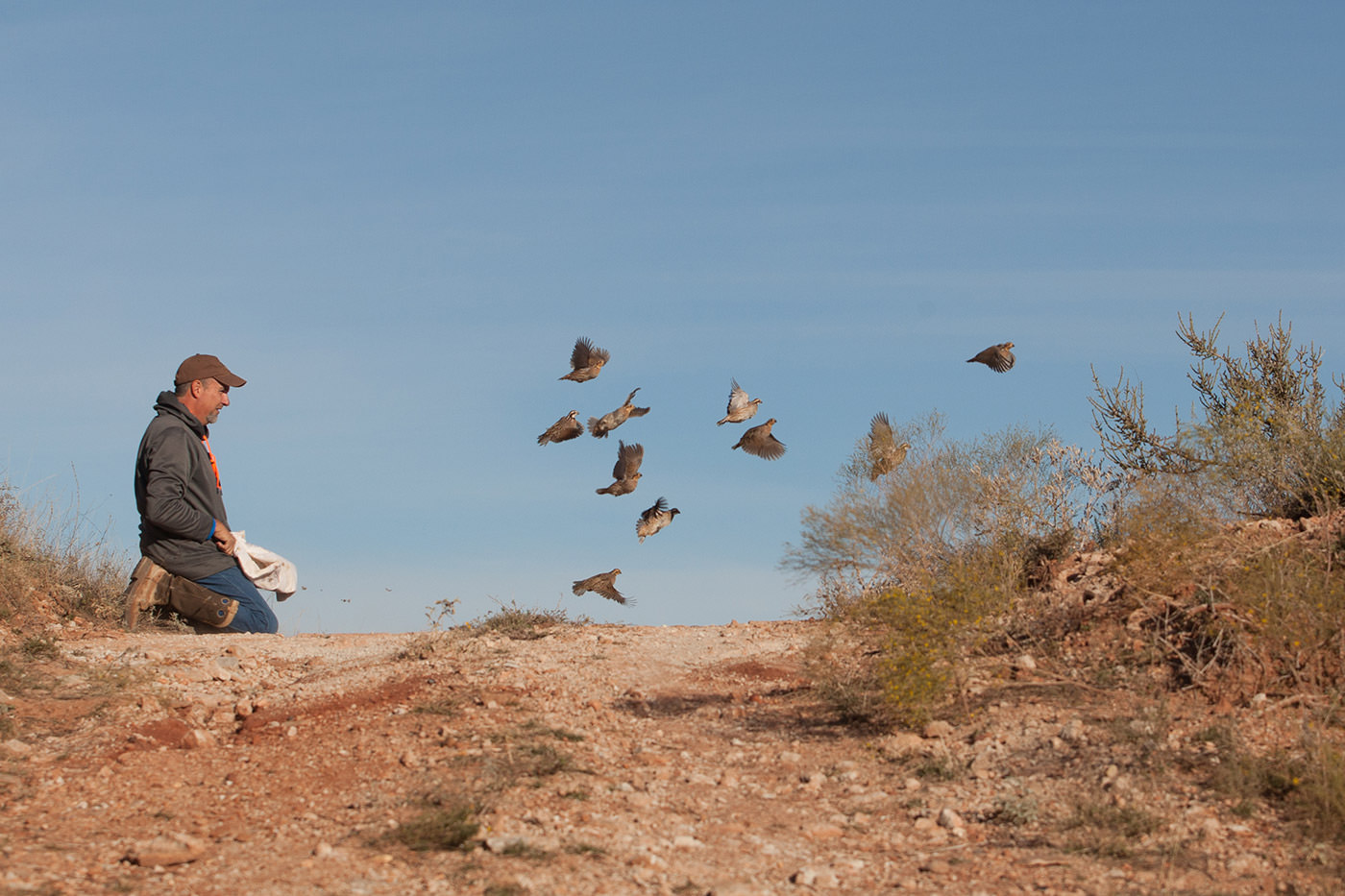
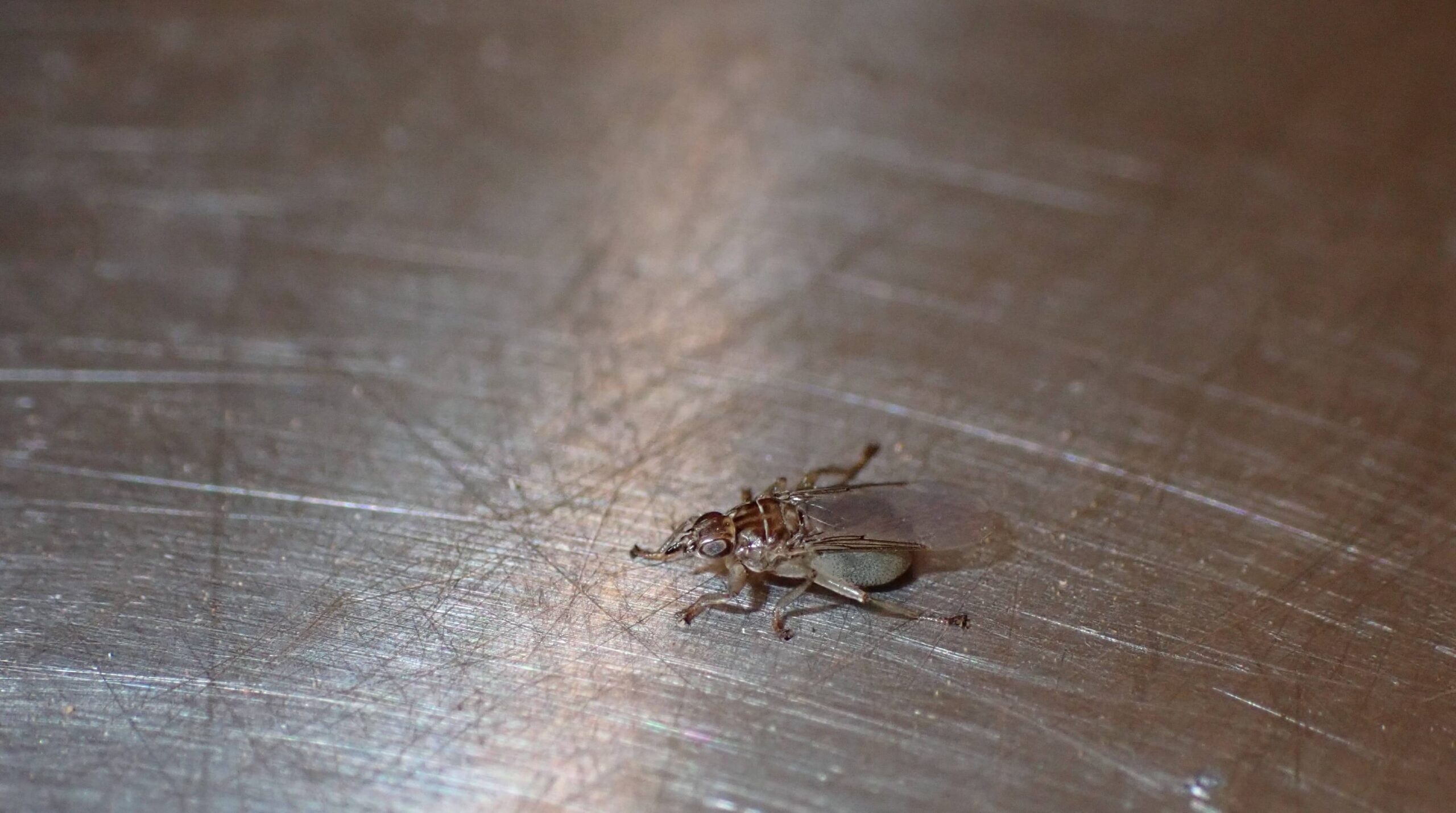
Every hunter who cleans birds long enough eventually encounters something unexpected. During our recent fall trapping event on the Rolling Plains Quail Research Ranch (RPQRR), we observed several individual bobwhite quail carrying flat-looking flies moving through the feathers. These insects are louse flies—often called keds. Their presence, along with more familiar parasites such as eyeworms and cecal worms, highlights the need to think carefully about how parasites influence quail health and population performance.
Keds belong to the family Hippoboscidae and are obligate blood-feeding ectoparasites (on the outside of the body). They are well adapted for living in feathers and on skin, but quail are not considered a primary host species. When they occur on quail, it is often opportunistic. While typically present at low numbers, keds can contribute to irritation, blood loss, and increased energetic demands, particularly in birds already facing environmental stress.
Eyeworms (Oxyspirura petrowi) and cecal worms (Aulonocephalus pennula) are far more widespread endoparasites (living inside the body) in bobwhite quail and have clearer implications for health. Eyeworm infections can impair vision, potentially reducing predator avoidance and foraging efficiency. Cecal worms inhabit the digestive tract and, when present in high numbers, can reduce nutrient absorption and body condition. These effects are not always immediately visible, but they can influence survival and reproduction over time.
It is increasingly clear that parasites should not be viewed solely as background noise in quail ecology. Under certain conditions, parasite loads can meaningfully contribute to declines in individual performance and, at larger scales, population productivity. This recognition is part of the reason recent attention has turned toward parasite management as a potential tool, including the newly approved medication QuailGuard®, which targets internal parasites such as eyeworms and cecal worms.
That said, parasites rarely act in isolation. Their impacts are strongly shaped by habitat quality, weather, and overall bird condition. Parasite burdens tend to be highest—and most damaging—when birds are nutritionally stressed or exposed to prolonged drought and heat. In those situations, parasites can shift from being tolerated to becoming a limiting factor.
For hunters, the practical implications remain unchanged. Keds, eyeworms, and cecal worms pose no risk to humans and do not compromise meat quality. Birds should not be discarded solely due to the presence of parasites, and standard field-dressing practices are sufficient.
From a management perspective, tools like QuailGuard add an important option to the toolbox, particularly where parasite loads are demonstrably high. However, they are best viewed as complementary to—not a replacement for—habitat management. Effective quail conservation will likely require addressing both sides of the equation: reducing parasite burdens where feasible while continuing to improve the environmental conditions that allow quail to remain resilient.
Parasites matter, habitat still matters more, and successful management will depend on recognizing the role of both.