By Dr. Ryan O’Shaughnessy
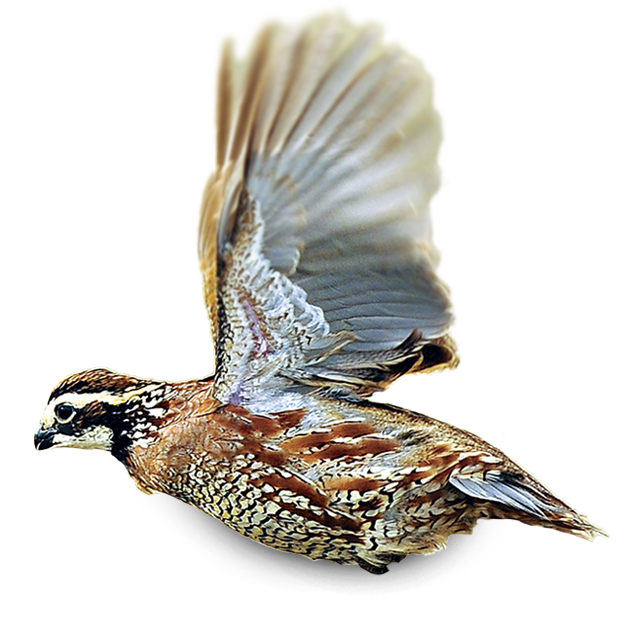
Across much of their historic range, native quail populations have declined due to habitat loss, fragmentation, and changing land use practices. While conservation programs and research have made meaningful contributions, the future of quail ultimately depends on one critical factor: the willingness of private landowners to invest in habitat restoration. In this context, state-issued TTT permits—Trap, Transport, and Translocate—represent one of the most practical and effective tools available to align conservation outcomes with landowner incentives.
Most quail habitat exists on private lands. Landowners who commit time, effort, and financial resources to restoring native grasslands, implementing prescribed fire, managing grazing, and controlling invasive species are performing essential conservation work. However, habitat improvements alone may not always lead to rapid population recovery, particularly in areas where quail numbers are already severely depressed or locally absent. This is where TTT permits become invaluable.
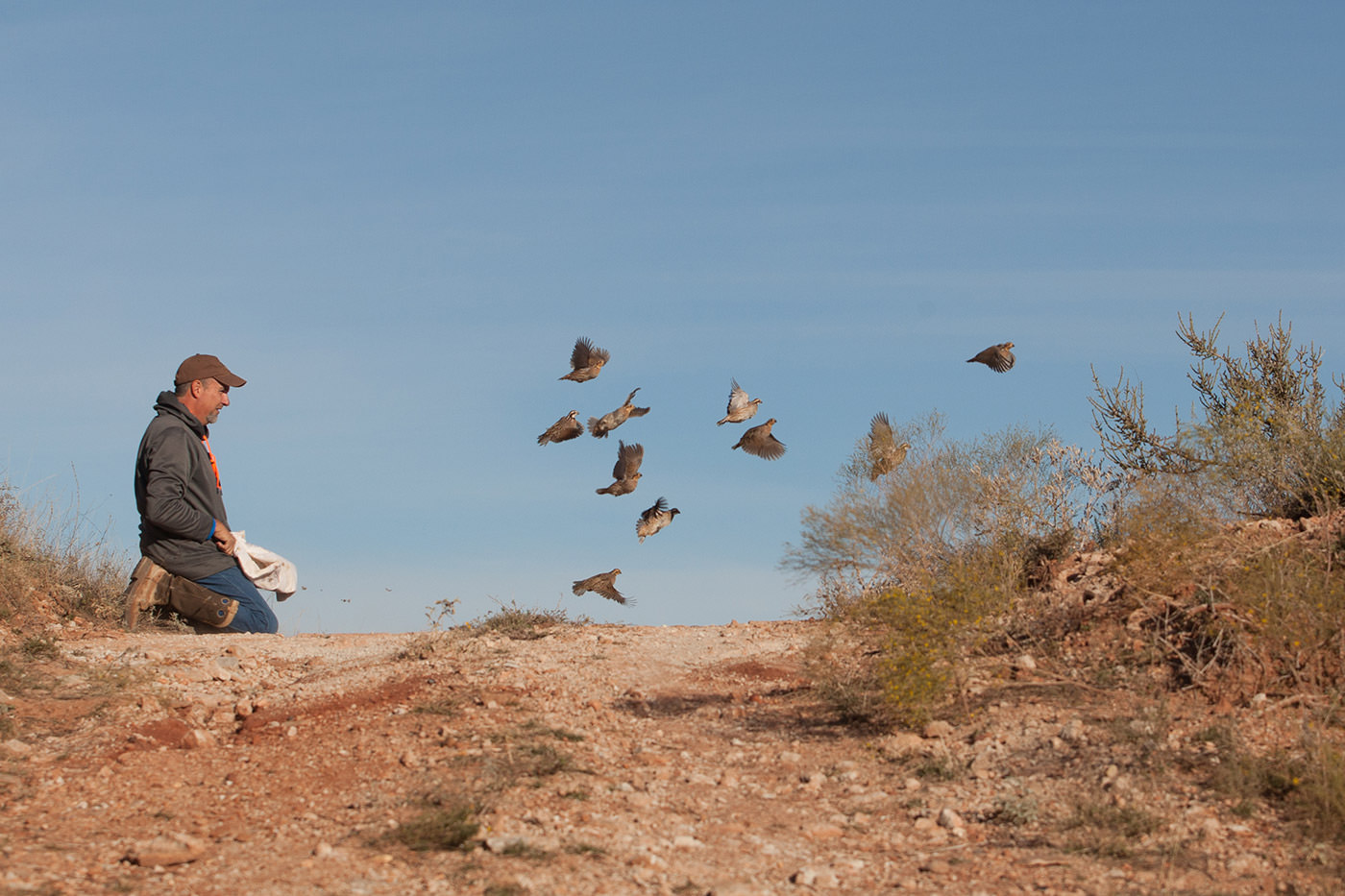
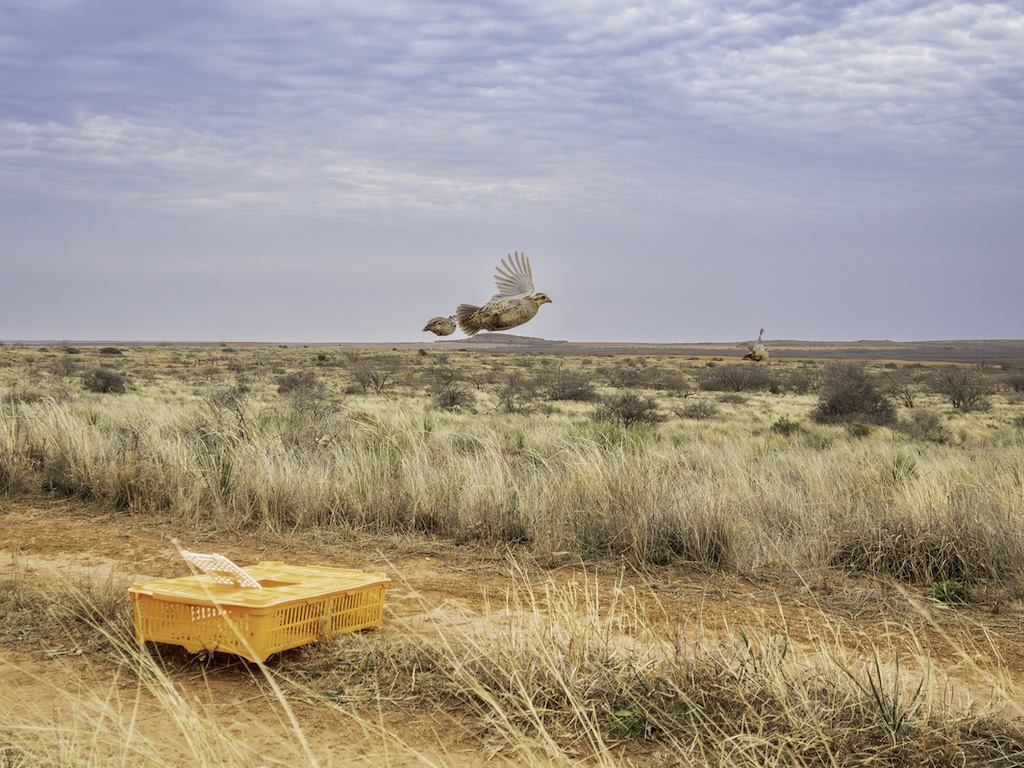
TTT permits allow landowners to capture wild quail from healthy populations and translocate them to suitable, restored habitats. When implemented responsibly and guided by sound science, translocation can help reestablish populations, increase genetic diversity, and accelerate recovery timelines. More importantly, the availability of these permits provides a tangible incentive for landowners to invest in high-quality habitat. Without the ability to reintroduce birds, many landowners may hesitate to commit significant resources, especially when natural recolonization is uncertain or slow.
From a policy perspective, TTT permits represent a partnership between state agencies and private land stewards. Agencies maintain oversight to ensure sustainability and protect source populations, while landowners become active participants in conservation. This collaborative model fosters shared responsibility and expands the scale at which habitat restoration can occur—far beyond what public lands alone can support.
Critically, TTT programs also reinforce a results-driven approach to conservation. Landowners are more likely to adopt best management practices when they can see measurable outcomes, such as the return of quail to their property. This creates a positive feedback loop: improved habitat supports translocated birds, successful populations encourage continued stewardship, and neighboring landowners are often inspired to follow suit.
In the face of widespread quail declines, conservation strategies must be both practical and motivating. State agencies issuing TTT permits provide a clear pathway to achieve both. By empowering landowners and rewarding habitat investment, these programs help ensure that quail restoration is not just an idea—but an achievable, scalable reality.