Late Winter Nutrition for Quail
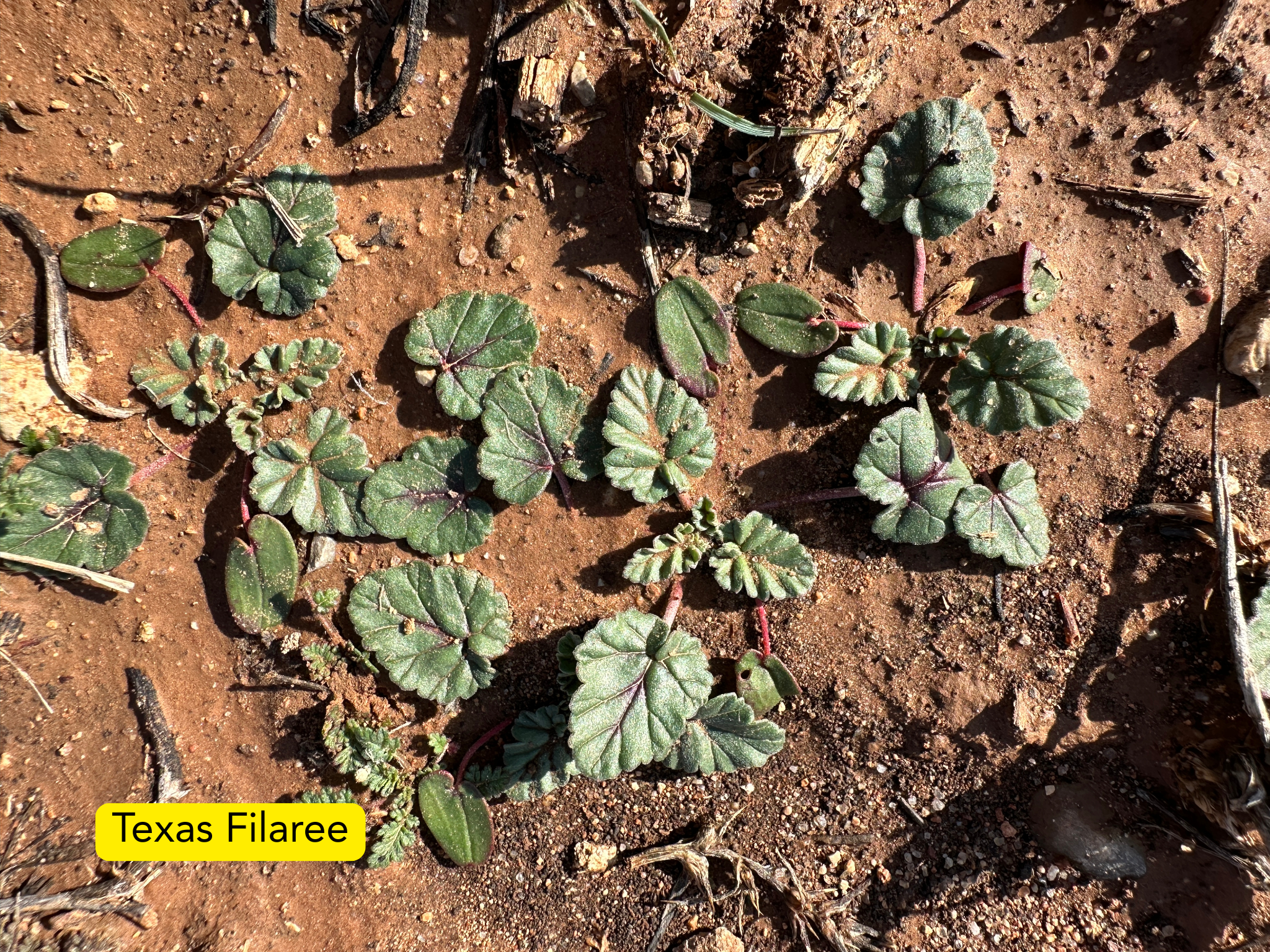
Late winter on the Rolling Plains can look like a nutritional dead zone—dry grasses, bare ground, and a landscape that feels stuck between seasons. Then a timely February rain hits, and almost overnight, cool-season forbs and grasses green up. Depending on your country, that may be winter annual forbs (i.e., Texas Filaree, Wild Onion, Trailing Ratany) and short, tender cool-season grasses that most folks walk right past. Those little green plants help quail nutritionally entering the breeding season.
A lot of hunters still picture bobwhite winter diets as “seeds and more seeds.” Seeds are important, no doubt—but they’re not the whole story. When biologists have looked inside birds collected in winter, green vegetation often makes up a surprisingly large portion of what they’re eating. And one pattern shows up over and over: hens commonly eat more greens than roosters during this period. That’s not random preference; it’s biology. Hens are gearing up for the most demanding part of their year.
Here’s the key point: spring breeding isn’t powered by calories alone. As day length increases and the first nesting attempts begin, hens need nutrients that support egg formation and overall reproductive effort—things like protein, minerals, and hydration.
Fresh green growth is one of the most practical “packages” of those requirements on the landscape. Actively growing forbs and young grasses generally offer more usable protein and mineral content than mature, dry vegetation. They also carry moisture in dry country and support insects that are a very good source of protein.

Greens also play a “gap-filling” role when the seed pantry is thin. In some winters, there’s plenty of high-energy seed on the ground; in others, there isn’t. When high-energy foods are available, bobwhites can lean on them and don’t have to rely as heavily on green vegetation.
But when seeds are limited—or weather and habitat conditions make them harder to find—birds shift toward what’s available, and green material can become a much bigger slice of the diet. This is where management and weather collide: the same place can be feast or famine depending on rainfall timing and what the habitat is set up to produce.
Condition going into spring is not just a “nice to have”; it influences how birds perform when it counts. Nutritional stress shows up in reproduction—hens that enter the breeding season under nutritional strain don’t respond the same as hens entering spring with better reserves and diet quality.
Quail body condition is flexible: when nutritional inputs improve, body condition can improve too. The practical takeaway is that late winter and early spring nutrition isn’t a background detail; it’s part of what sets the table for spring production.

So, what does “manage for late winter green-up” look like for a hunting-minded land manager?
Don’t sanitize the range. If you remove winter forbs across large acreages, you’re stripping out a major seasonal food source. The goal isn’t a weed-free pasture; it’s a diverse plant community with something useful growing in every season.
Manage grazing for patchiness. Grass cover that is too thick can suppress germination of forbs that quail rely on for seed production. However, too much grazing can remove the very growth you’re trying to produce—and it can reduce nesting cover at the same time. What consistently works best for bobwhites is heterogeneity: some disturbed or open spots that respond quickly to rain and grow groceries, paired with nearby escape cover, nesting cover, and loafing structure.
Pay attention after a February rain. One of the best field checks is the simplest. Go walk your pasture a week or two after a meaningful late winter rain. If you see tender forbs and short green grass within and around usable cover, you’re looking at pre-breeding nutrition. If everything is brown, matted, or uniformly “cleaned up,” birds may be entering spring without one of the most valuable resources you can provide.

Spring production doesn’t start with the first nest. It starts earlier, with the subtle resources that prepare hens for the demands ahead. Late winter green-up—driven by rainfall and supported by good habitat management—can be the quiet fuel behind the coveys you’ll be hunting next fall.
Images: Forbs (weeds) that are valuable to quail and other wildlife, late winter/early spring when seed supply is getting scarce and before insects start appearing.