By Dr. Dan Foley
By May, most quail managers are asking the same question: What kind of quail year are we setting up for? It is a reasonable question, but it is also one that deserves a cautious answer.
Spring gives us clues, not conclusions.
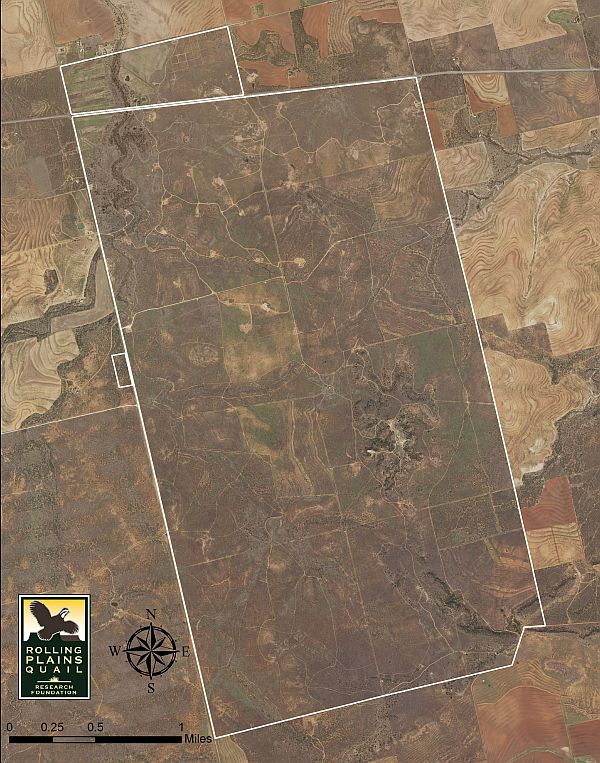
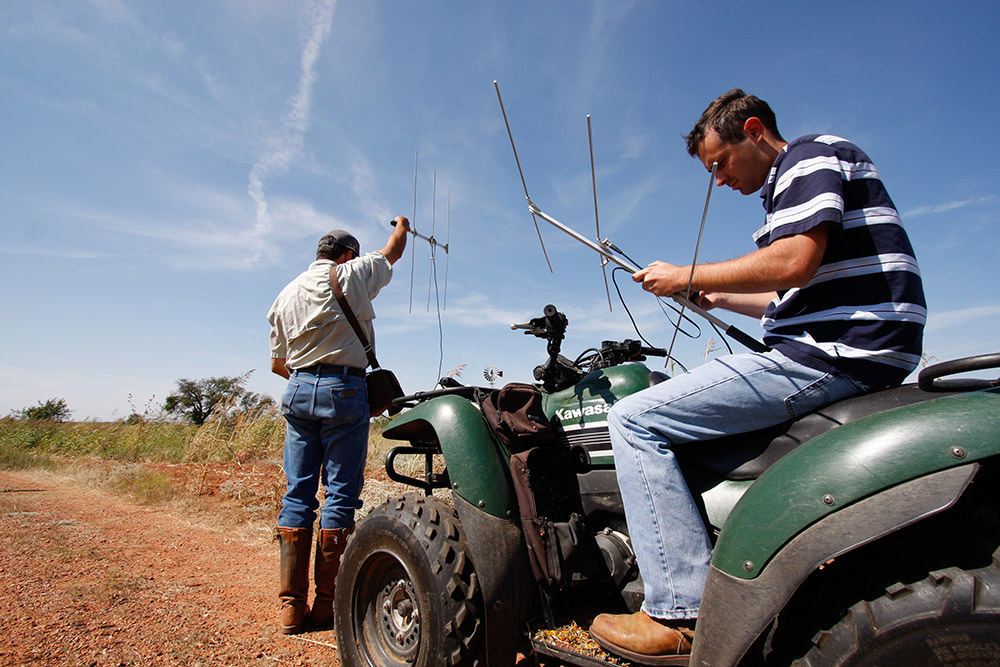
At the Rolling Plains Quail Research Ranch, our spring monitoring helps estimate how many bobwhites are present before the breeding season begins in earnest. Those numbers matter. A stronger spring population means more potential breeders on the landscape, more nesting attempts, and more opportunities to produce young before fall. But spring abundance alone does not make a quail crop. The birds still have to pass through the most demanding part of the annual cycle: nesting, hatching, brood-rearing, summer heat, predation, disease pressure, and weather variability.
That is why May is such an important month. It is the hinge between what survived the winter and what may be produced by fall.
For bobwhites, annual reproduction drives much of the population story. Adult carryover is important, but the fall population is usually built—or not built—on the success of the nesting and brood-rearing season. A ranch may enter May with a respectable number of birds and still disappoint by November if nesting conditions collapse. Conversely, a modest spring population can produce a surprisingly strong fall population if rainfall, cover, insects, and hen survival line up at the right time.
The key phrase is “at the right time.” Total rainfall matters less than the biological response it produces. A rain that greens up the landscape, stimulates forb growth, supports insect production, and improves screening cover is much more valuable than a rain that simply looks good in the gauge. Quail do not nest in rainfall totals, they nest in structure. Chicks do not eat rainfall, they eat insects, especially during the first few weeks of life.
So, what should landowners and managers watch for in May?
First, look at carryover birds. Are pairs being seen? Are calling males distributed across the ranch, or are birds concentrated in only a few pockets? Distribution can matter almost as much as abundance.
Second, evaluate nesting cover. Bobwhites need enough residual grass and shrub structure to conceal nests from predators and prevent thermal stress. A clean pasture may look tidy, but tidy is not always good quail habitat.
Third, watch the forb response. Good brood habitat is not just grass. Forbs create overhead screening, attract insects, and provide the kind of open-at-ground-level structure chicks can actually move through. Dense grass without usable travel lanes can be just as limiting as too little cover.
Fourth, pay attention to insects. Insects are the protein engine behind chick growth. If the landscape is green but insect-poor, brood survival may still suffer.
Fifth, keep weather in perspective. A good May does not guarantee a good August. Heat, drought, and poorly timed dry spells can still change the trajectory quickly. Bobwhites are resilient, but they are not exempt from physics or physiology.
This is also a good time to resist simple explanations. Habitat matters. Weather matters. Parasites and disease may matter. Predators matter. Grazing management matters. Harvest can matter under some conditions. None of these factors operate alone. Quail populations are the product of interacting pressures, and our job is to measure those pressures honestly rather than force the story into a single cause.
The coming months will tell us much more than the month of May can. Brood sightings, age ratios, late-summer nesting activity, and fall counts will eventually show whether this spring’s promise was converted into young-of-the-year. Until then, the most useful posture is cautious attention.
May sets the table. Summer serves the meal. Fall tells us what survived.