
By
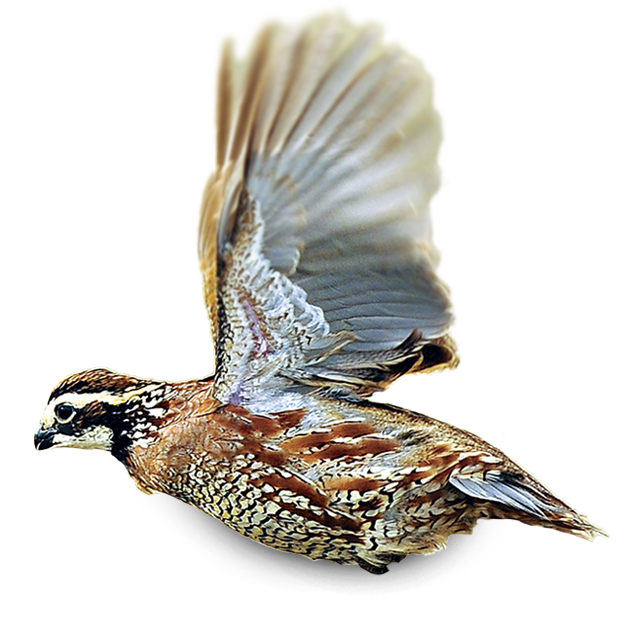
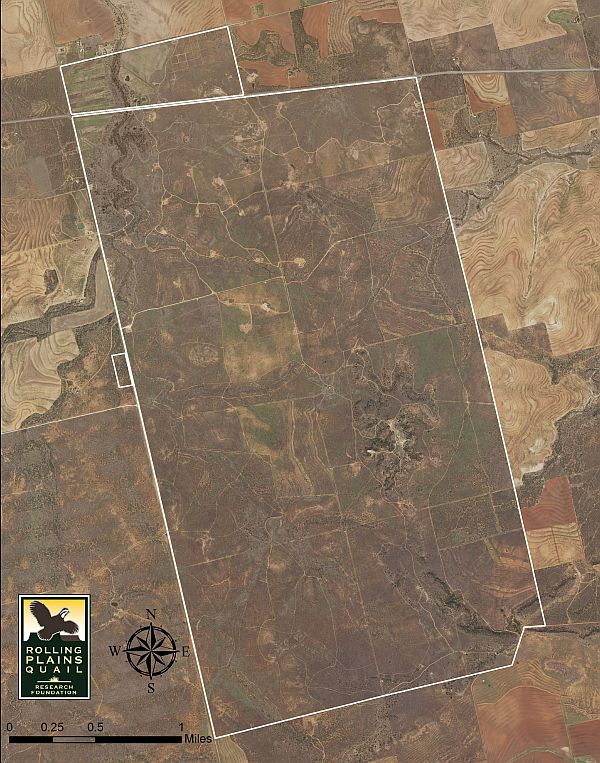
Spring marks one of the most critical periods for quail populations as nesting season begins across the Rolling Plains. At the Rolling Plains Quail Research Ranch (RPQRR), we recently documented our first nest of the 2026 season—an encouraging sign for this year’s reproductive efforts and overall habitat conditions.
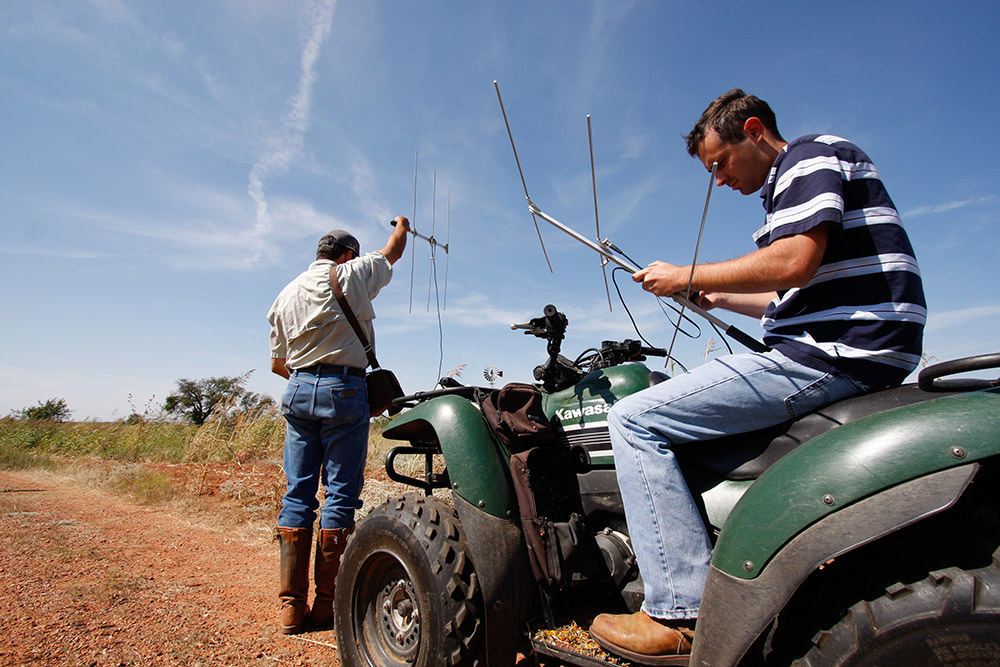
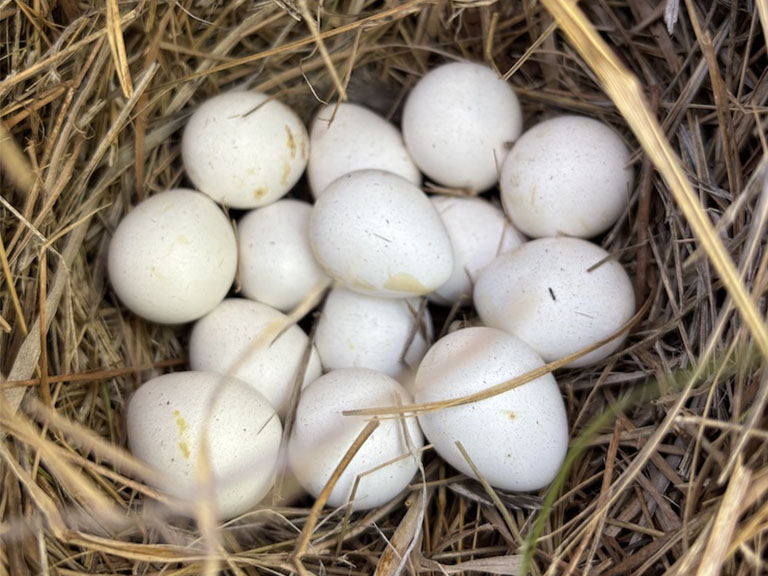
The nesting hen is an adult Bobwhite originally captured and fitted with a GPS collar on December 9, 2025. Through continued monitoring efforts, researchers located her active nest containing a clutch of 14 eggs. The nest was established within a stand of Texas wintergrass, a native bunchgrass that can provide excellent nesting structure for bobwhites.
High-quality nesting habitat is one of the most important factors influencing quail reproductive success. Ideal nesting cover consists of native bunchgrasses that provide both overhead concealment and protective structure. Species such as Silver Bluestem, Sideoats Grama, and Little Bluestem are especially valuable because they create dense cover that helps shield nests from predators and harsh environmental conditions. Residual grass cover from previous growing seasons is equally important, providing insulation and additional protection during incubation.
Habitat management plays a major role in maintaining favorable nesting conditions. Practices such as proper grazing management, prescribed fire, and strategic brush management help sustain healthy native grasslands while creating the structural diversity quail require throughout the year. At RPQRR, ongoing habitat restoration and management efforts are focused on improving these key habitat components to support sustainable quail populations across the ranch.
Monitoring nesting activity also provides valuable insight into habitat selection and reproductive success. During the previous nesting season, RPQRR documented a total of 34 nests with an overall nest success rate of 50%.
Nest success varied by nesting substrate:
- Nests located in cactus, cactus/grass, and cactus/yucca habitats had a 33% success rate.
- Nests located in grass, grass/cactus, and grass/yucca habitats had a 52% success rate.
- Nests located in other substrates, including under rock cover and vine ephedra (low-growing shrub), had a 0% success rate.
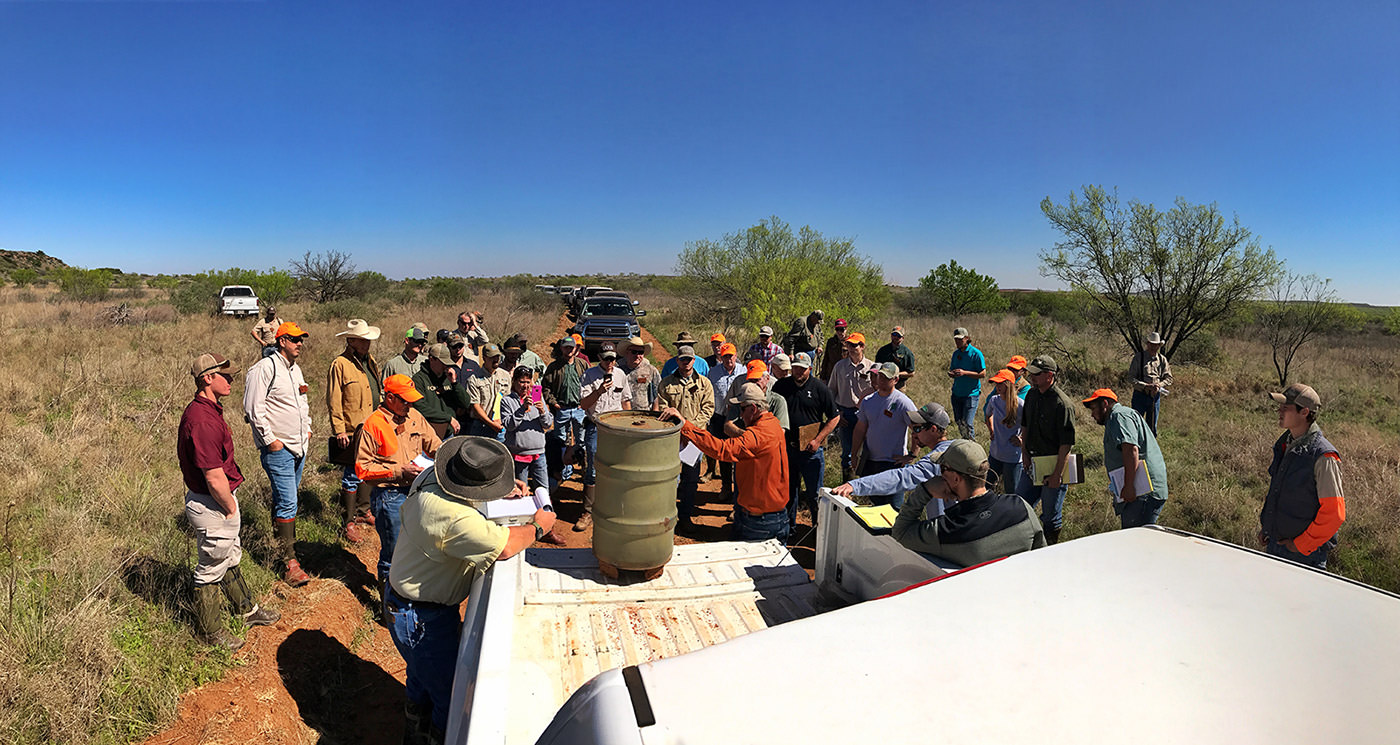
These findings continue to highlight the importance of well-structured native grass cover in supporting successful bobwhite nesting. Each monitored nest contributes valuable information that helps guide future habitat management and conservation efforts across the Rolling Plains.