96
<!–
|
96
<!–
|
© 2026 Rolling Plains Quail Research Foundation. 
Select photos provided by Russell Graves Photography, Joseph Richards, Katy Hoskins, Emily Thornock, and Kasey Pirkle.
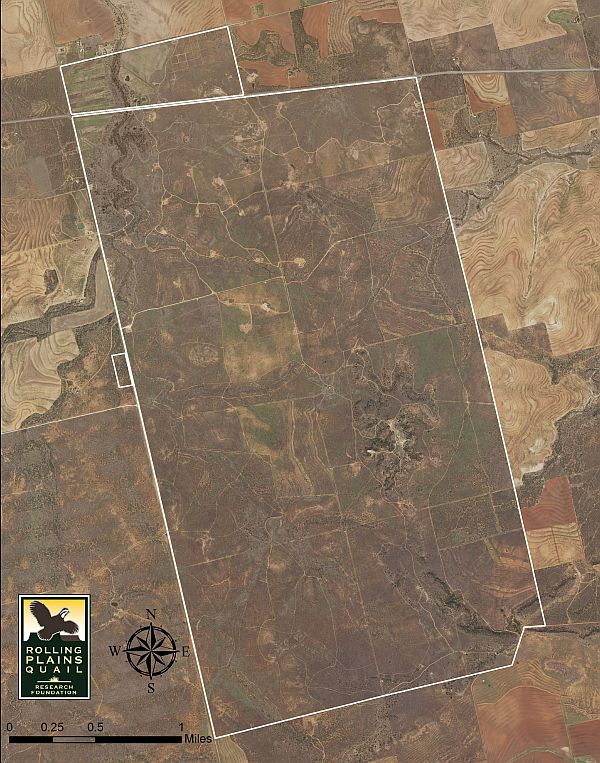
Our Research Ranch makes RPQRF the only conservation group in the world with its own property dedicated exclusively to understanding quail through science. It functions as the nexus of our operations and all decisions and actions on the Research Ranch are based on quail.
Our fulltime staff and team of graduate students work year-round to develop the best practices for quail management, prescribed burning methodologies, grazing procedures, predation management strategies, and pinpointing which grasses and “weeds” make ideal quail habitat.
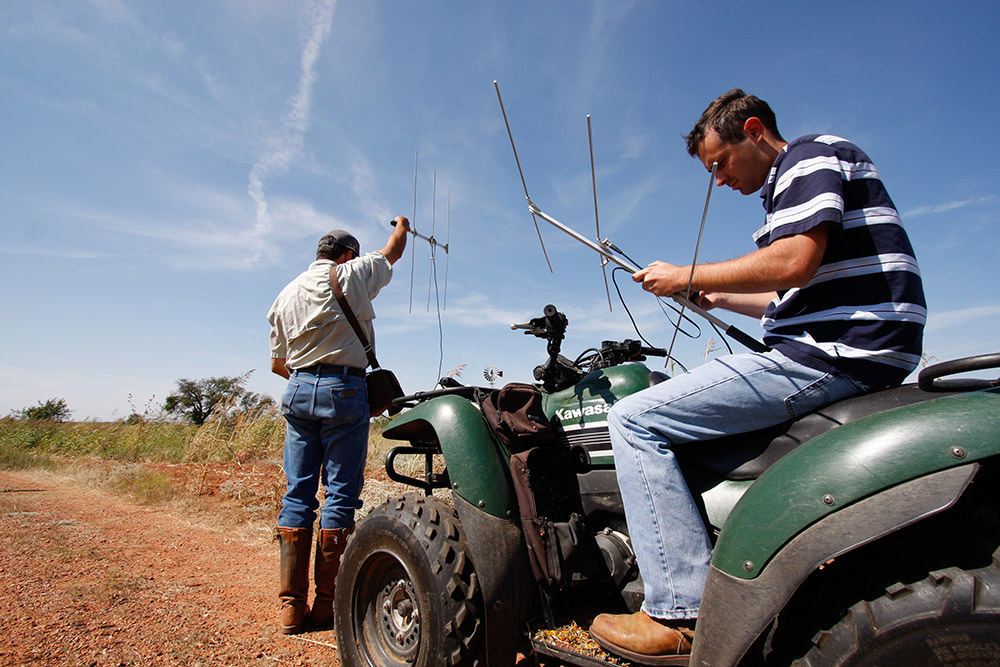
We also trap and study as many as 5,000 quail annually and use the latest technologies – radio telemetry, GPS, thermal cameras, helicopters and even drones – to count and track quail populations. Then we share what we learn so others may follow.
Every organization has its humble beginnings. The Rolling Plains Quail Research Ranch was hatched around the tailgate of a pickup one evening in 2005 after a successful quail hunt. The 2005 season was a great one, and quail hunters’ spirits were high. But knowing that one didn’t have to move very far east before quail (and quail hunting) were only memories, our discussion focused on the future, and not on the laurels of our past. Indeed we should heed the lessons observed over the past 30 years from east Texas to the Atlantic Coast. Someone pondered “we need to get ahead of the curve and get serious about planning the route now, before ‘all’s quiet on the western front.”
The idea of a quail research ranch was bantered around – our own laboratory to devise and evaluate land management schemes aimed at enhancing bobwhite abundance. It was also suggested it would be great to have a ranch to demonstrate good management to other “students of quail.”
The egg was laid and after an incubation period of about two years, the dream became reality. The Foundation and its Research Ranch were established to provide a living laboratory to devise land management strategies for the benefit of quail and also as an exemplar property to demonstrate the best methodologies and techniques to other “students of quail.”
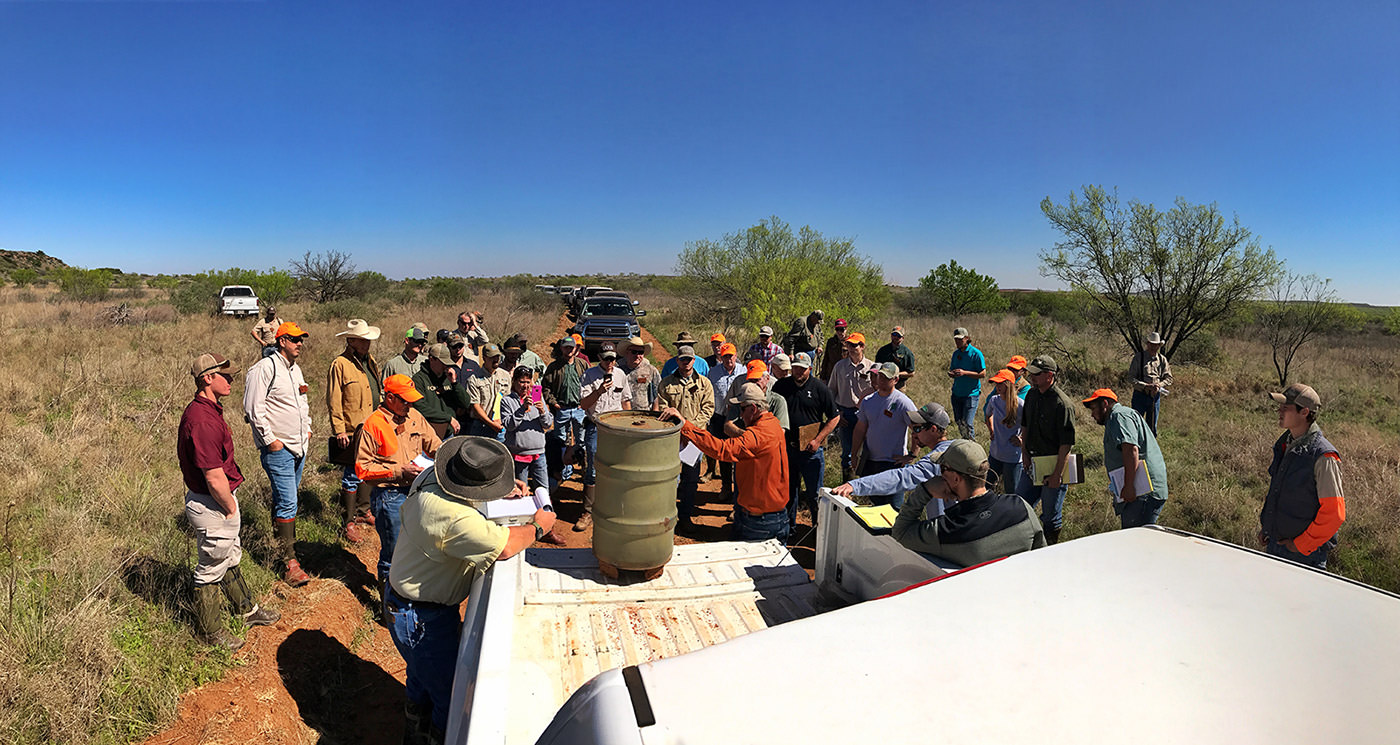
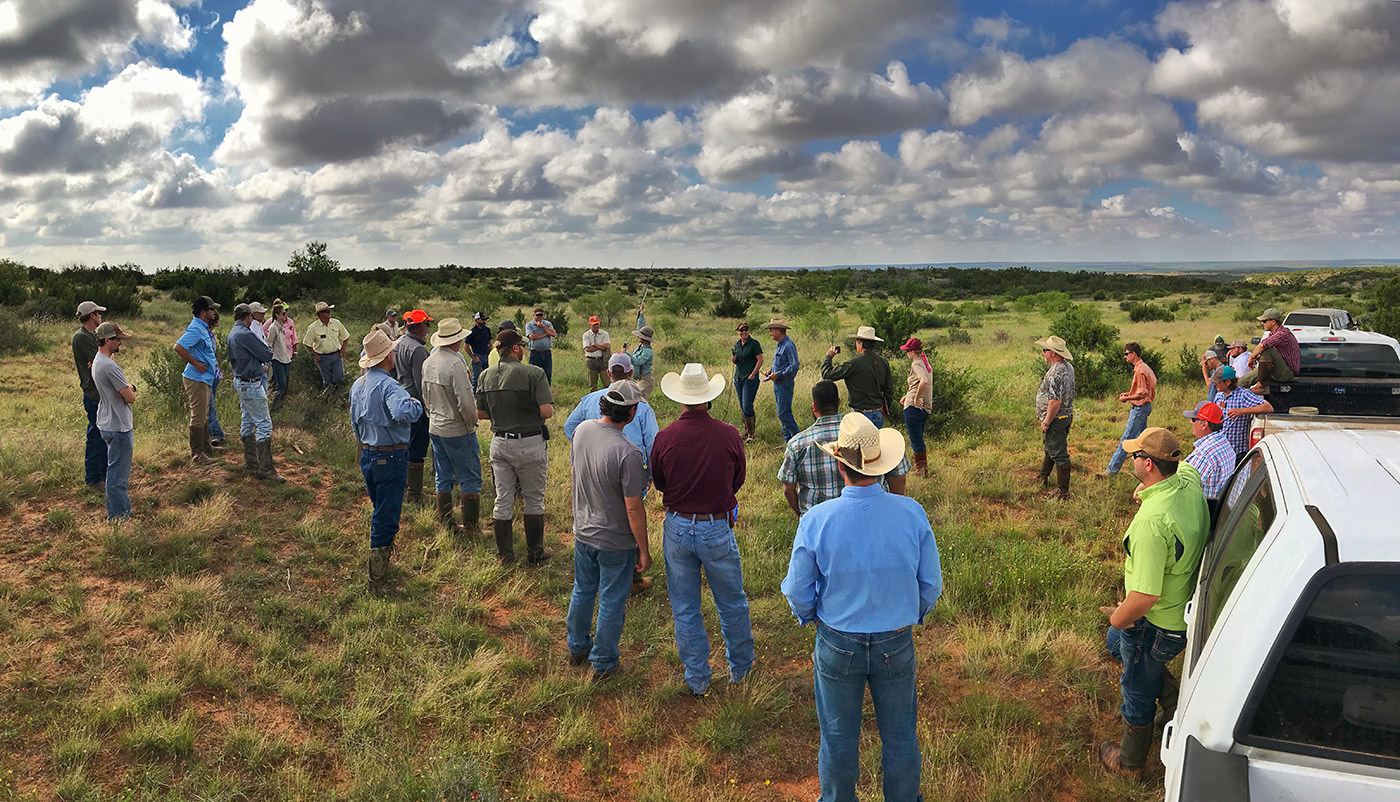
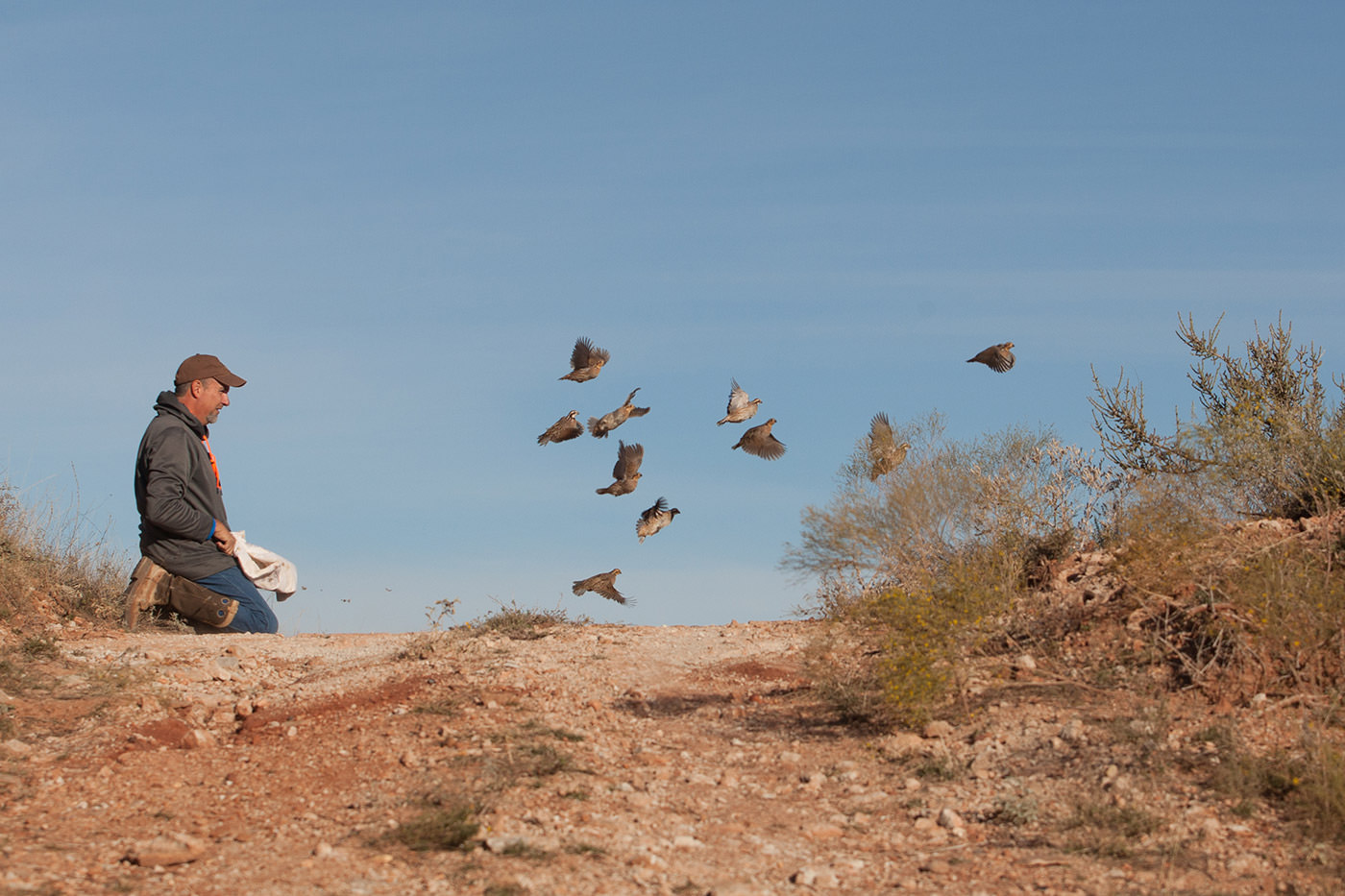
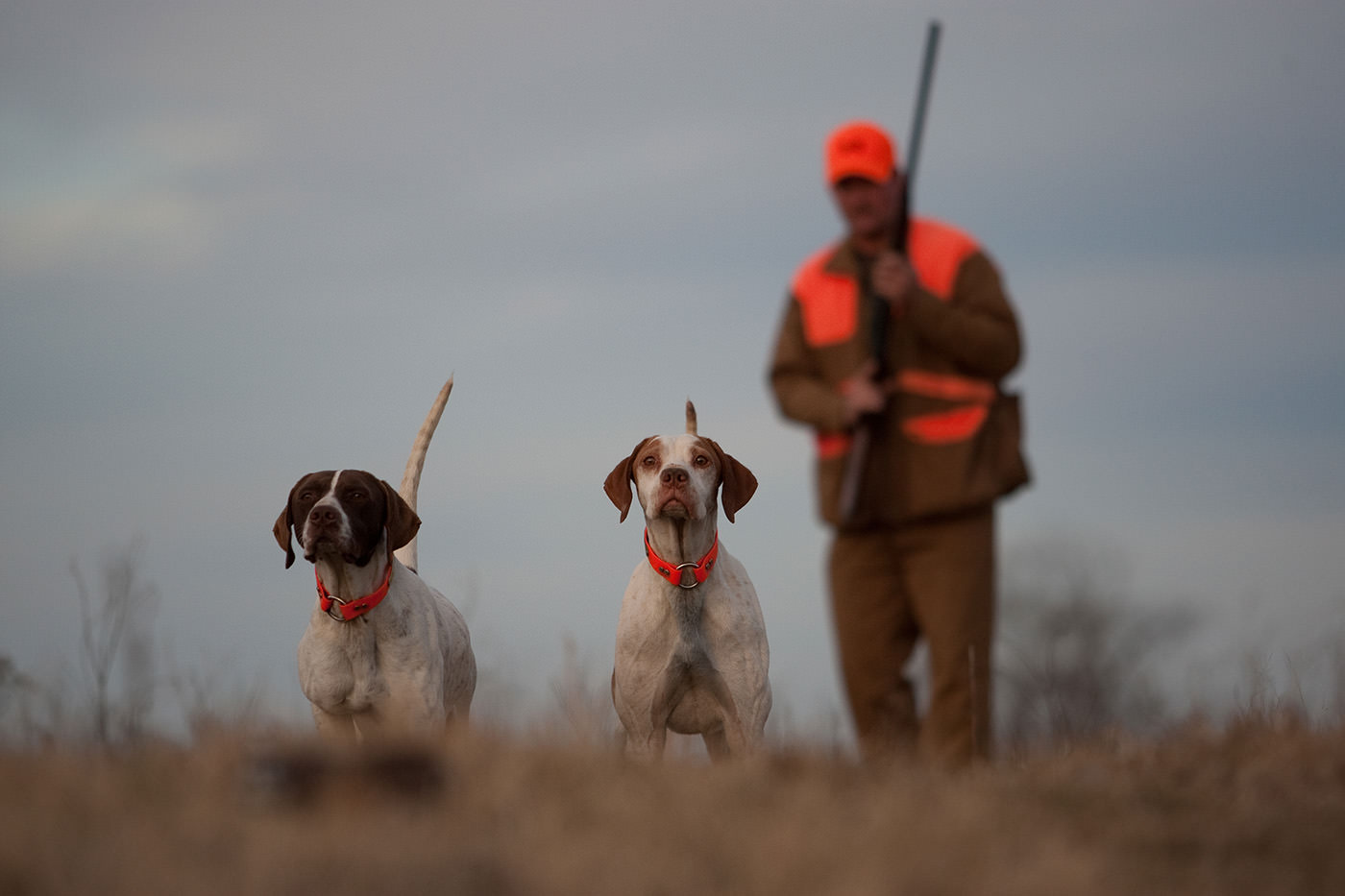

 The Rolling Plains Quail Research Foundation (RPQRF) is thrilled to announce its selection as a 2025 Texan by Nature Conservation Wrangler! This prestigious recognition highlights our commitment to innovative conservation efforts and strengthens our ability to make a lasting impact on quail populations and upland habitat conservation across Texas.
 I often relate my quail odyssey over the past 65 years to that of Forrest Gump’s lifeline . . . perhaps destiny, perhaps chance or “maybe a little of both.” I recall hearing my first bobwhite whistle when I was just 5 years old and my Mother saying “do you hear that bird? It calls its name.” It has been a siren song for both my personal and professional life since that time. But the time has come for me to hop down off that fencepost.
 Join Dr. Dale and his guest Tyler Hamilton as they delve into a search for the holy grail in quail management: success on small acreages. Hamilton is a pilot for Southwest Airlines and offers some insightful perspectives based on his property in Dickens County. He’s also a graduate of the 2022 QuailMasters class.
 During the first part of March, we conducted our annual spring trapping efforts on the Research Ranch. Over two consecutive weeks, our dedicated staff and volunteers successfully captured, handled (weighed, sexed, aged, marked) and recorded data on 1,267 unique wild birds. Of these, 11% were scaled quail, while the remaining 89% were bobwhite quail, reflecting the species composition on the property.

 The transition from VHF to GPS is part of a broader evolution in wildlife research, fueled by technological advancements and an increasing demand for data-rich conservation strategies. Where VHF required researchers to be within range—often hiking through rugged terrain—GPS collars autonomously log an animal’s location at set intervals and can transmit data via satellite or cellular networks. This leap not only saves time and resources but also allows for the collection of vastly more data points, often in real time.
 One of the most transformative advantages of GPS technology is its precision. While VHF tracking could locate an animal within a general area, GPS can pinpoint locations within a few meters. This level of detail opens the door to new insights about animal behavior, such as migration routes, habitat preferences, and even how animals respond to human activity. Researchers can now track nocturnal or elusive animals without disturbing them, gather longitudinal data with minimal field presence, and analyze fine-scale movement patterns that were previously invisible.
 Another significant benefit is the volume and frequency of data collection. A GPS collar might record an animal’s position every few minutes for weeks or months, generating rich datasets that can be used for advanced spatial modeling. In contrast, VHF tracking typically yielded far fewer data points, with the risk of missed detections or observer error. As a result, the shift to GPS has dramatically improved the resolution of ecological studies, enabling more informed conservation decisions.
 The Facebook post of the month goes to a picture of bobwhite quail who had assumed the roosting position while sitting in a trap waiting on quail technicians to arrive. We apologize for the quality of the photo, it was dark and the photographer didn’t want to disturb them before snapping the picture, but how cool is it to see quail in a roosting position! Quail roost at night on the ground, in a circle, heads pointed out. They generally choose areas with short vegetation and even bare ground to roost in, avoiding brush which may impede their ability to make a hasty getaway (flush) if disturbed by a predator.


