RPQRF e-Quail Newsletter (March 2026)

By March 4, 2026Newsletters

96

RPQRF e-Quail Newsletter (March 2026)

<!–

͏ ‌     ͏ ‌     ͏ ‌     ͏ ‌     ͏ ‌     ͏ ‌     ͏ ‌     ͏ ‌     ͏ ‌     ͏ ‌     ͏ ‌     ͏ ‌     ͏ ‌     ͏ ‌     ͏ ‌     ͏ ‌     ͏ ‌     ͏ ‌     ͏ ‌     ͏ ‌     ͏ ‌     ͏ ‌     ͏ ‌     ͏ ‌     ͏ ‌     ͏ ‌     ͏ ‌     ͏ ‌     ͏ ‌     ͏ ‌     ͏ ‌     ͏ ‌     ͏ ‌     ͏ ‌     ͏ ‌     ͏ ‌     ͏ ‌     ͏ ‌     ͏ ‌     ͏ ‌     ͏ ‌     ͏ ‌     ͏ ‌     ͏ ‌     ͏ ‌     ͏ ‌     ͏ ‌     ͏ ‌     ͏ ‌     ͏ ‌     ͏ ‌     ͏ ‌     ͏ ‌     ͏ ‌     ͏ ‌     ͏ ‌     ͏ ‌     ͏ ‌     ͏ ‌     ͏ ‌     ͏ ‌     ͏ ‌     ͏ ‌     ͏ ‌     ͏ ‌     ͏ ‌     ͏ ‌     ͏ ‌     ͏ ‌     ͏ ‌     ͏ ‌     ͏ ‌     ͏ ‌     ͏ ‌     ͏ ‌     ͏ ‌     ͏ ‌     ͏ ‌     ͏ ‌     ͏ ‌     ͏ ‌     ͏ ‌     ͏ ‌     ͏ ‌     ͏ ‌     ͏ ‌     ͏ ‌     ͏ ‌     ͏ ‌     ͏ ‌     ͏ ‌     ͏ ‌     ͏ ‌     ͏ ‌     ͏ ‌     ͏ ‌     ͏ ‌     ͏ ‌     ͏ ‌     ͏ ‌     ͏ ‌     ͏ ‌     ͏ ‌     ͏ ‌     ͏ ‌     ͏ ‌     ͏ ‌     ͏ ‌     ͏ ‌     ͏ ‌     ͏ ‌     ͏ ‌     ͏ ‌     ͏ ‌     ͏ ‌     ͏ ‌     ͏ ‌     ͏ ‌     ͏ ‌     ͏ ‌     ͏ ‌     ͏ ‌     ͏ ‌     ͏ ‌     ͏ ‌     ͏ ‌     ͏ ‌     ͏ ‌     ͏ ‌     ͏ ‌     ͏ ‌     ͏ ‌     ͏ ‌     ͏ ‌     ͏ ‌     ͏ ‌     ͏ ‌     ͏ ‌     ͏ ‌     ͏ ‌     ͏ ‌     ͏ ‌     ͏ ‌     ͏ ‌     ͏ ‌     ͏ ‌     ͏ ‌     ͏ ‌     ͏ ‌     ͏ ‌     ͏ ‌     ͏ ‌     ͏ ‌     ͏ ‌     ͏ ‌     ͏ ‌     ͏ ‌     ͏ ‌     ͏ ‌     ͏ ‌     ͏ ‌     ͏ ‌     ͏ ‌     ͏ ‌     ͏ ‌     ͏ ‌     ͏ ‌     ͏ ‌     ͏ ‌     ͏ ‌     ͏ ‌     ͏ ‌     ͏ ‌     ͏ ‌     ͏ ‌     ͏ ‌     ͏ ‌     ͏ ‌     ͏ ‌     ͏ ‌     ͏ ‌     ͏ ‌     ͏ ‌     ͏ ‌     ͏ ‌     ͏ ‌     ͏ ‌     ͏ ‌     ͏ ‌     ͏ ‌     ͏ ‌     ͏ ‌     ͏ ‌     ͏ ‌     ͏ ‌     ͏ ‌     ͏ ‌     ͏ ‌     ͏ ‌     ͏ ‌     ͏ ‌     ͏ ‌     ͏ ‌     ͏ ‌     ͏ ‌     ͏ ‌     ͏ ‌     ͏ ‌     ͏ ‌     ͏ ‌     ͏ ‌     ͏ ‌     ͏ ‌     ͏ ‌     ͏ ‌     ͏ ‌     ͏ ‌     ͏ ‌     ͏ ‌     ͏ ‌     ͏ ‌     ͏ ‌     ͏ ‌     ͏ ‌     ͏ ‌     ͏ ‌     ͏ ‌     ͏ ‌     ͏ ‌     ͏ ‌     ͏ ‌     ͏ ‌     ͏ ‌     ͏ ‌     ͏ ‌     ͏ ‌     ͏ ‌     ͏ ‌     ͏ ‌     ͏ ‌     ͏ ‌     ͏ ‌     ͏ ‌     ͏ ‌     ͏ ‌     ͏ ‌     ͏ ‌     ͏ ‌     ͏ ‌     ͏ ‌     ͏ ‌     ͏ ‌     ͏ ‌     ͏ ‌     ͏ ‌     ͏ ‌     ͏ ‌     ͏ ‌     ͏ ‌     ͏ ‌     ͏ ‌     ͏ ‌     ͏ ‌     ͏ ‌     ͏ ‌     ͏ ‌     ͏ ‌     ͏ ‌     ͏ ‌     ͏ ‌     ͏ ‌     ͏ ‌     ͏ ‌     ͏ ‌     ͏ ‌     ͏ ‌     ͏ ‌     ͏ ‌     ͏ ‌     ͏ ‌     ͏ ‌     ͏ ‌     ͏ ‌     ͏ ‌     ͏ ‌     ͏ ‌     ͏ ‌     ͏ ‌     ͏ ‌     ͏ ‌     ͏ ‌     ͏ ‌     ͏ ‌     ͏ ‌     ͏ ‌     ͏ ‌     ͏ ‌     ͏ ‌     ͏ ‌     ͏ ‌     ͏ ‌     ͏ ‌     ͏ ‌     ͏ ‌     ͏ ‌     ͏ ‌     ͏ ‌     ͏ ‌     ͏ ‌     ͏ ‌     ͏ ‌     ͏ ‌     ͏ ‌     ͏ ‌     ͏ ‌     ͏ ‌     ͏ ‌     ͏ ‌     ͏ ‌     ͏ ‌    ­ ­ ­ ­ ­ ­ ­ ­ ­ ­ ­ ­ ­ ­ ­ ­ ­ ­ ­ ­ ­ ­ ­ ­ ­ ­ ­ ­ ­ ­ ­ ­ ­ ­ ­ ­ ­ ­ ­ ­ ­ ­ ­ ­ ­ ­ ­ ­ ­ ­ ­ ­ ­ ­ ­ ­ ­ ­ ­ ­ ­ ­ ­ ­ ­ ­ ­ ­ ­ ­ ­ ­ ­ ­ ­ ­ ­ ­ ­ ­ ­ ­ ­ ­ ­ ­ ­ ­ ­ ­ ­ ­ ­ ­ ­ ­ ­ ­ ­ ­ ­ ­ ­ ­ ­ ­ ­ ­ ­ ­ ­ ­ ­ ­ ­ ­ ­ ­ ­ ­ ­ ­ ­ ­ ­ ­ ­ ­ ­ ­ ­ ­ ­ ­ ­ ­ ­ ­ ­ ­ ­ ­ ­ ­ ­ ­ ­ ­ ­ ­ ­ ­ ­ ­ ­ ­ ­ ­ ­ ­ ­ ­ ­ ­ ­ ­ ­ ­ ­ ­ ­ ­ ­ ­ ­ ­ ­ ­ ­ ­ ­ ­ ­ ­ ­ ­ ­ ­ ­ ­ ­ ­ ­ ­ ­ ­ ­ ­ ­ ­ ­ ­ ­ ­ ­ ­ ­ ­ ­ ­ ­ ­ ­ ­ ­ ­ ­ ­ ­ ­ ­ ­ ­ ­ ­ ­ ­ ­ ­ ­ ­ ­ ­ ­ ­ ­ ­ ­ ­ ­ ­ ­ ­ ­ ­ ­ ­ ­ ­ ­ ­ ­ ­ ­ ­ ­ ­ ­ ­ ­ ­ ­ ­ ­ ­ ­ ­ ­ ­ ­ ­ ­ ­ ­ ­ ­ ­ ­ ­ ­ ­ ­

<!–[if (gte mso 9)|(IE)]>
<![endif]–>

<!–

Vol 18 • No. 3

<!–

<!–[if (gte mso 9)|(IE)]>

<![endif]–>
<!–[if (gte mso 9)|(IE)]>
<![endif]–>

Harvest and Density Dependence

by Dr. Ryan O’Shaughnessy

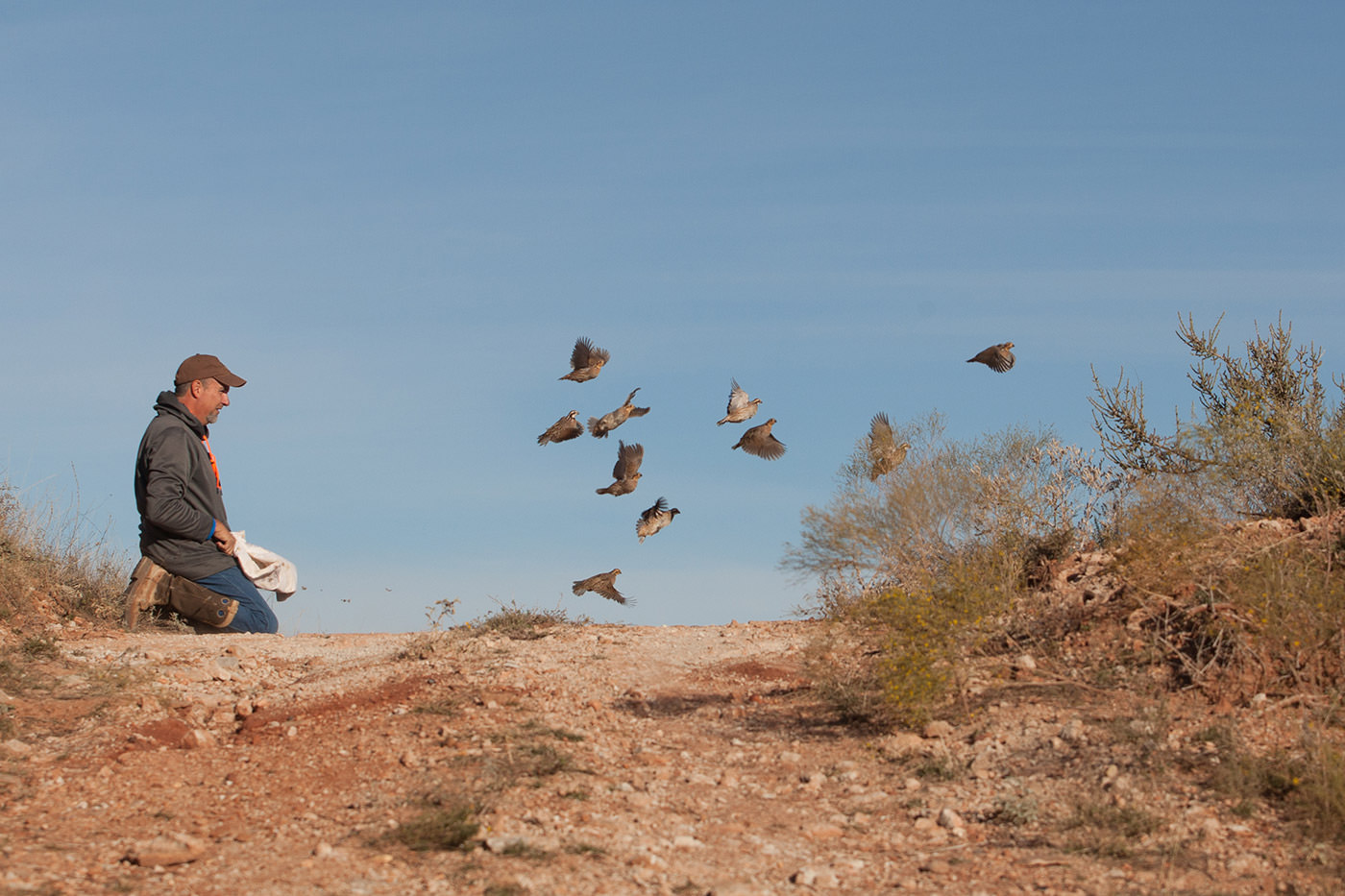
Last month I wrote about the importance of accounting for wounding loss when calculating harvest totals. If we are serious about managing quail populations responsibly, we must count every source of mortality—both retrieved and unretrieved birds. That discussion naturally leads to a broader biological principle that is often overlooked in harvest conversations: density-dependent breeding.

Northern bobwhite quail, are classic examples of a short-lived, high-reproductive species. Their population dynamics are driven far more by annual reproduction than by adult survival. Importantly, reproduction in quail is strongly density dependent. In simple terms, when population density is low, reproductive output per bird tends to increase. When density is high, reproductive output per bird often declines.

At lower densities, hens have greater access to high-quality nesting cover, insect resources for broods, and reduced competition for space. Nest success can improve, chick survival may increase, and in some cases hens are more likely to renest successfully. The population compensates for prior losses by increasing per-capita productivity. Conversely, when densities are high, competition for limited nesting sites and brood habitat intensifies. Predators may focus more heavily on concentrated coveys, and disease transmission can increase. The biological response is a leveling effect—production per bird declines as density rises.

This reality complicates the common assumption that harvest totals within legal bag limits are always biologically neutral. Statewide regulations are necessarily broad. They are not tailored to the specific habitat quality, rainfall patterns, or local population density on a given ranch in a given year. A bag limit may be sustainable at one density threshold and excessive at another.

Consider two properties: one with exceptional habitat and high fall density following favorable rainfall, and another recovering from drought with marginal nesting cover and low carryover. Both operate under the same legal framework. Yet the biological margin for harvest is very different. In the low-density scenario, even harvest “within limits” may remove a substantial proportion of the breeding base before spring. While density-dependent reproduction can compensate to a degree, that compensation is not infinite—particularly if habitat constraints remain.

This is where harvest accounting becomes critical. If we underestimate total mortality by ignoring wounding loss, we artificially inflate the assumed breeding population entering spring. That miscalculation can compound quickly in low-density years, when every surviving hen represents disproportionate reproductive potential.

The key takeaway is that legal does not always mean optimal. Effective quail stewardship requires adaptive decision-making at the property level—evaluating fall density, age structure, habitat condition, and anticipated overwinter survival. Density-dependent breeding provides quail populations with resilience, but it should not be treated as a management safety net.

When harvest decisions are aligned with biological reality rather than solely with regulatory limits, we move from simply hunting quail to truly managing them.

<!–

Late‑Winter Green‑Up: The Quiet Fuel Behind Spring Bobwhite Production

By Dr. Dan Foley

Late winter on the Rolling Plains can look like a nutritional dead zone—dry grasses, bare ground, and a landscape that feels stuck between seasons. Then a timely February rain hits, and almost overnight, cool‑season forbs and grasses green up. Depending on your country, that may be winter annual forbs (i.e. Texas Filaree, Wild Onion, Trailing Ratany) and short, tender cool‑season grasses that most folks walk right past. Those little green plants help quail nutritionally entering the breeding season.

A lot of hunters still picture bobwhite winter diets as “seeds and more seeds.” Seeds are important, no doubt—but they’re not the whole story. When biologists have looked inside birds collected in winter, green vegetation often makes up a surprisingly large portion of what they’re eating. And one pattern shows up over and over: hens commonly eat more greens than roosters during this period. That’s not random preference, it’s biology. Hens are gearing up for the most demanding part of their year.

<!–

From our Facebook Page

by Dana Wright

The Facebook post of the month goes to a “Close call for a couple of quail”! Quail feeders don’t just attract quail… they can also attract predators. Proper feeder placement can make all the difference.

Here are a few tips to help keep your birds safer:

🦅 Flushing vs. Running – Quail that flush are more vulnerable to aerial predators than birds that can run to nearby cover.

🌳 Distance to Cover Matters – Place feeders about 20 feet from low-growing shrubs like plum, lotebush, prickly pear and skunkbush sumac. This gives quail quick access to escape cover without crowding the feeder.

🪚 Avoid Placing Feeders Inside Shrubs – Shrubs can provide ambush cover for predators — and it makes refilling feeders much more difficult.

🌾🌻🌳 Manage for Escape Cover – A well-managed habitat with adequate screening and loafing cover is key to helping quail survive predator encounters.

📸 Special thanks to Karl Jackson for sharing these great photos with us!

<!–

Wildlife Tall Tales

Have you ever wondered if popular wildlife myths have any truth to them? For instance, does culling deer result in bigger-antlered bucks down the line?  Do black panthers live in Texas? Is weedkiller effective at killing mesquite trees? Have predators decimated the quail population? Are rattlesnakes not rattling anymore?

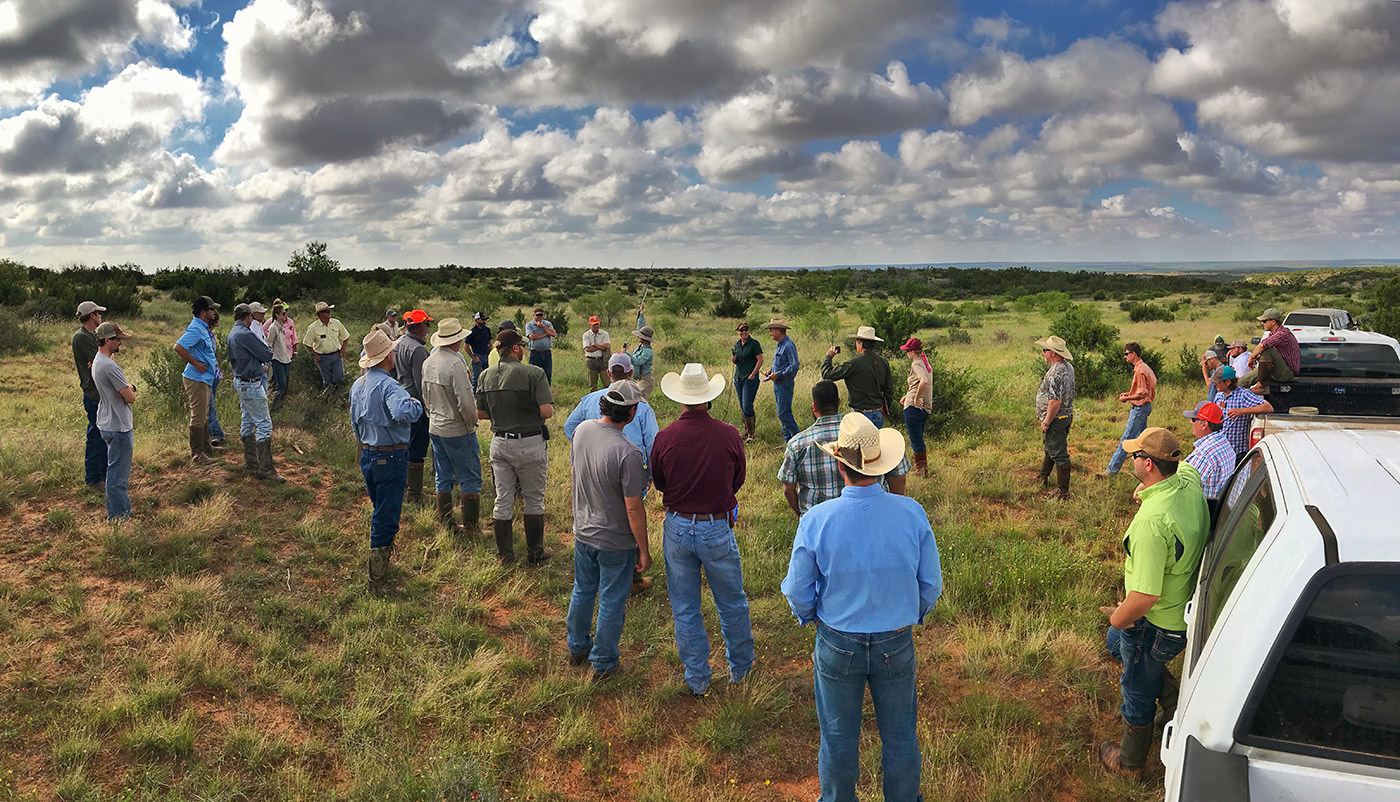
Join us at the Rolling Plains Quail Research Ranch on Friday, April 10th, 2026 from 8:30 AM to 3 PM to learn the facts! Biologists from Texas Parks and Wildlife and the Rolling Plains Quail Research Ranch will bust some myths with scientifically backed evidence. Please  contact Kelli Bashaw with Texas Parks & Wildlife Department at 806-269-1031 for  more information or to register. Registration is $20 on or before April 3, 2026, $30 afterwards and at the door, lunch is included and participants can earn 1 CEU for their applicator’s license.

<!–
<!–

Quail Forever Landowner Workshop

Join the Rolling Plains Chapter of Quail Forever for their spring Landowner Workshop!

Lunch is included and door prizes will be given out!

You will also receive information on:

  • Where to find assistance to evaluate & improve quail habitat on our property.

  • What does good quail habitat look like.

  • Cost share programs to help pay for habitat improvement to benefit quail & other species.

  • What resources are available to land managers to improve quail habitat.

  • What else can be done to help quail in west Texas.

Location: Rolling Plains Quail Research Ranch, 1262 HWY 180 W, Rotan, TX

Date: Saturday, March 28

Time: Registration 8-8:30AM, Start 9AM – Ends 2PM

Cost: $20 for early registration before March 22, $30 after and at the door.

<!–

QuailMasters Registration is Open!

QuailMasters is a series of workshops that will help students “understand the quail equation” and hone their knowledge of all things related to quail management in Texas. The workshop series is designed for serious students of quail management. 

2026 Session dates and locations are: 

Session 1: April 26-28 – Rolling Plains Quail Research Ranch – Roby, TX

Session 2: June 14-16 – South Texas – Hebbronville, TX

Session 3: August 16-18 – East Texas – Huntsville, TX

Session 4: October 25-27 – Panhandle – Pampa, TX

The series is limited to 40 participants, so early sign up is advised.

For more information or to register click HERE or contact Dana Wright ([email protected]) with RPQRF for more information. Deadline for registration is April 1, or until enrollment hits 40 students.

Dates to Remember:

March 5, 2026Park Cities Quail Coalition Dinner & Auction

March 28, 2026Quail Forever Landowner Workshop at RPQRR

April 1, 2026 – Deadline to register for QuailMasters

April 10, 2026MythBusters Program for Wildlife Tall Tales at RPQRR

May 22, 2026 – Annual RPQRR Field Day

<!–

The Rolling Plains Quail Research Foundation greatly depends on annual  donations. We hope you will consider making a contribution to help us continue our mission of preserving Texas’ wild quail hunting heritage for this, and future, generations!

<!–

<!–[if (gte mso 9)|(IE)]>

<![endif]–>
<!–[if (gte mso 9)|(IE)]>
<![endif]–>

<!–[if (gte mso 9)|(IE)]>

<![endif]–>