RPQRF e-Quail January 2026 Newsletter

By January 6, 2026Newsletters

96

RPQRF e-Quail January 2026 Newsletter

<!–

͏ ‌     ͏ ‌     ͏ ‌     ͏ ‌     ͏ ‌     ͏ ‌     ͏ ‌     ͏ ‌     ͏ ‌     ͏ ‌     ͏ ‌     ͏ ‌     ͏ ‌     ͏ ‌     ͏ ‌     ͏ ‌     ͏ ‌     ͏ ‌     ͏ ‌     ͏ ‌     ͏ ‌     ͏ ‌     ͏ ‌     ͏ ‌     ͏ ‌     ͏ ‌     ͏ ‌     ͏ ‌     ͏ ‌     ͏ ‌     ͏ ‌     ͏ ‌     ͏ ‌     ͏ ‌     ͏ ‌     ͏ ‌     ͏ ‌     ͏ ‌     ͏ ‌     ͏ ‌     ͏ ‌     ͏ ‌     ͏ ‌     ͏ ‌     ͏ ‌     ͏ ‌     ͏ ‌     ͏ ‌     ͏ ‌     ͏ ‌     ͏ ‌     ͏ ‌     ͏ ‌     ͏ ‌     ͏ ‌     ͏ ‌     ͏ ‌     ͏ ‌     ͏ ‌     ͏ ‌     ͏ ‌     ͏ ‌     ͏ ‌     ͏ ‌     ͏ ‌     ͏ ‌     ͏ ‌     ͏ ‌     ͏ ‌     ͏ ‌     ͏ ‌     ͏ ‌     ͏ ‌     ͏ ‌     ͏ ‌     ͏ ‌     ͏ ‌     ͏ ‌     ͏ ‌     ͏ ‌     ͏ ‌     ͏ ‌     ͏ ‌     ͏ ‌     ͏ ‌     ͏ ‌     ͏ ‌     ͏ ‌     ͏ ‌     ͏ ‌     ͏ ‌     ͏ ‌     ͏ ‌     ͏ ‌     ͏ ‌     ͏ ‌     ͏ ‌     ͏ ‌     ͏ ‌     ͏ ‌     ͏ ‌     ͏ ‌     ͏ ‌     ͏ ‌     ͏ ‌     ͏ ‌     ͏ ‌     ͏ ‌     ͏ ‌     ͏ ‌     ͏ ‌     ͏ ‌     ͏ ‌     ͏ ‌     ͏ ‌     ͏ ‌     ͏ ‌     ͏ ‌     ͏ ‌     ͏ ‌     ͏ ‌     ͏ ‌     ͏ ‌     ͏ ‌     ͏ ‌     ͏ ‌     ͏ ‌     ͏ ‌     ͏ ‌     ͏ ‌     ͏ ‌     ͏ ‌     ͏ ‌     ͏ ‌     ͏ ‌     ͏ ‌     ͏ ‌     ͏ ‌     ͏ ‌     ͏ ‌     ͏ ‌     ͏ ‌     ͏ ‌     ͏ ‌     ͏ ‌     ͏ ‌     ͏ ‌     ͏ ‌     ͏ ‌     ͏ ‌     ͏ ‌     ͏ ‌     ͏ ‌     ͏ ‌     ͏ ‌     ͏ ‌     ͏ ‌     ͏ ‌     ͏ ‌     ͏ ‌     ͏ ‌     ͏ ‌     ͏ ‌     ͏ ‌     ͏ ‌     ͏ ‌     ͏ ‌     ͏ ‌     ͏ ‌     ͏ ‌     ͏ ‌     ͏ ‌     ͏ ‌     ͏ ‌     ͏ ‌     ͏ ‌     ͏ ‌     ͏ ‌     ͏ ‌     ͏ ‌     ͏ ‌     ͏ ‌     ͏ ‌     ͏ ‌     ͏ ‌     ͏ ‌     ͏ ‌     ͏ ‌     ͏ ‌     ͏ ‌     ͏ ‌     ͏ ‌     ͏ ‌     ͏ ‌     ͏ ‌     ͏ ‌     ͏ ‌     ͏ ‌     ͏ ‌     ͏ ‌     ͏ ‌     ͏ ‌     ͏ ‌     ͏ ‌     ͏ ‌     ͏ ‌     ͏ ‌     ͏ ‌     ͏ ‌     ͏ ‌     ͏ ‌     ͏ ‌     ͏ ‌     ͏ ‌     ͏ ‌     ͏ ‌     ͏ ‌     ͏ ‌     ͏ ‌     ͏ ‌     ͏ ‌     ͏ ‌     ͏ ‌     ͏ ‌     ͏ ‌     ͏ ‌     ͏ ‌     ͏ ‌     ͏ ‌     ͏ ‌     ͏ ‌     ͏ ‌     ͏ ‌     ͏ ‌     ͏ ‌     ͏ ‌     ͏ ‌     ͏ ‌     ͏ ‌     ͏ ‌     ͏ ‌     ͏ ‌     ͏ ‌     ͏ ‌     ͏ ‌     ͏ ‌     ͏ ‌     ͏ ‌     ͏ ‌     ͏ ‌     ͏ ‌     ͏ ‌     ͏ ‌     ͏ ‌     ͏ ‌     ͏ ‌     ͏ ‌     ͏ ‌     ͏ ‌     ͏ ‌     ͏ ‌     ͏ ‌     ͏ ‌     ͏ ‌     ͏ ‌     ͏ ‌     ͏ ‌     ͏ ‌     ͏ ‌     ͏ ‌     ͏ ‌     ͏ ‌     ͏ ‌     ͏ ‌     ͏ ‌     ͏ ‌     ͏ ‌     ͏ ‌     ͏ ‌     ͏ ‌     ͏ ‌     ͏ ‌     ͏ ‌     ͏ ‌     ͏ ‌     ͏ ‌     ͏ ‌     ͏ ‌     ͏ ‌     ͏ ‌     ͏ ‌     ͏ ‌     ͏ ‌     ͏ ‌     ͏ ‌     ͏ ‌     ͏ ‌     ͏ ‌     ͏ ‌     ͏ ‌     ͏ ‌     ͏ ‌     ͏ ‌     ͏ ‌     ͏ ‌     ͏ ‌     ͏ ‌     ͏ ‌     ͏ ‌     ͏ ‌     ͏ ‌     ͏ ‌     ͏ ‌     ͏ ‌     ͏ ‌     ͏ ‌     ͏ ‌     ͏ ‌     ͏ ‌     ͏ ‌    ­ ­ ­ ­ ­ ­ ­ ­ ­ ­ ­ ­ ­ ­ ­ ­ ­ ­ ­ ­ ­ ­ ­ ­ ­ ­ ­ ­ ­ ­ ­ ­ ­ ­ ­ ­ ­ ­ ­ ­ ­ ­ ­ ­ ­ ­ ­ ­ ­ ­ ­ ­ ­ ­ ­ ­ ­ ­ ­ ­ ­ ­ ­ ­ ­ ­ ­ ­ ­ ­ ­ ­ ­ ­ ­ ­ ­ ­ ­ ­ ­ ­ ­ ­ ­ ­ ­ ­ ­ ­ ­ ­ ­ ­ ­ ­ ­ ­ ­ ­ ­ ­ ­ ­ ­ ­ ­ ­ ­ ­ ­ ­ ­ ­ ­ ­ ­ ­ ­ ­ ­ ­ ­ ­ ­ ­ ­ ­ ­ ­ ­ ­ ­ ­ ­ ­ ­ ­ ­ ­ ­ ­ ­ ­ ­ ­ ­ ­ ­ ­ ­ ­ ­ ­ ­ ­ ­ ­ ­ ­ ­ ­ ­ ­ ­ ­ ­ ­ ­ ­ ­ ­ ­ ­ ­ ­ ­ ­ ­ ­ ­ ­ ­ ­ ­ ­ ­ ­ ­ ­ ­ ­ ­ ­ ­ ­ ­ ­ ­ ­ ­ ­ ­ ­ ­ ­ ­ ­ ­ ­ ­ ­ ­ ­ ­ ­ ­ ­ ­ ­ ­ ­ ­ ­ ­ ­ ­ ­ ­ ­ ­ ­ ­ ­ ­ ­ ­ ­ ­ ­ ­ ­ ­ ­ ­ ­ ­ ­ ­ ­ ­ ­ ­ ­ ­ ­ ­ ­ ­ ­ ­ ­ ­ ­ ­ ­ ­ ­ ­ ­ ­ ­ ­ ­ ­ ­ ­ ­ ­ ­ ­ ­

<!–[if (gte mso 9)|(IE)]>
<![endif]–>

<!–

Vol 18 • No. 1

<!–

<!–[if (gte mso 9)|(IE)]>

<![endif]–>
<!–[if (gte mso 9)|(IE)]>
<![endif]–>

Why a “Young” Quail Population is Good Sign

by Dr. Ryan O’Shaughnessy

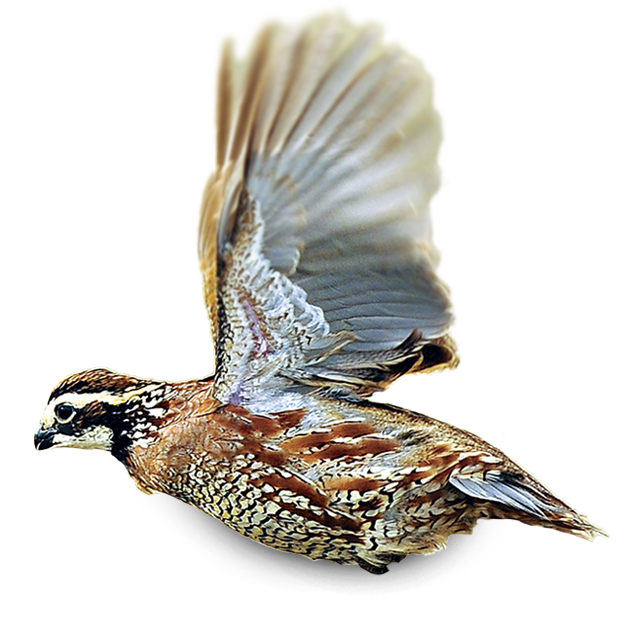
A report I recently read in a regional hunting magazine from the Texas Hill Country suggested that quail numbers have increased, though the author noted that “a large portion of the birds encountered are young”. At first glance, this observation may sound concerning, as if the population lacks mature, experienced birds. In reality, however, a quail population dominated by young birds is often one of the strongest indicators of a healthy and successful reproductive season.

Quail are short-lived birds with naturally high mortality rates. Even in good habitat, most individuals rarely survive more than a few years. Because of this, annual reproduction is not just important—it is essential. A stable or increasing quail population depends far more on how many chicks are produced and survive each summer than on how many adults carry over from the previous year.

When hunters and land managers see large numbers of young birds in the fall, it means nesting conditions during the spring and summer were favorable. Adequate rainfall, diverse native plant cover, abundant insects, and reduced nest predation all contribute to successful hatches. Young quail on the landscape are evidence that hens were able to nest, renest when needed, and raise broods through the most vulnerable stages of life.

In contrast, a population dominated by older birds can actually signal trouble. That situation often points to poor reproduction—perhaps due to drought, habitat degradation, or extreme weather—where adult birds survived but few chicks were added to the population. Over time, such populations are at risk of rapid decline because there are not enough young birds to replace natural losses.

Seeing mostly young quail also suggests resilience. These birds represent the future breeding stock that will carry the population forward into the next season. If habitat conditions remain favorable, many of these young birds will survive the winter and contribute to nesting the following spring.

In short, a fall quail population heavy with young birds should be viewed as a success story, not a warning sign. It reflects productive habitat, effective land stewardship, and a summer that allowed quail to do what they do best—reproduce. For hunters and conservationists alike, few signs are more encouraging than coveys full of young birds.

Fall 2025 Quail Trapping Update

by Mitchell Riggs

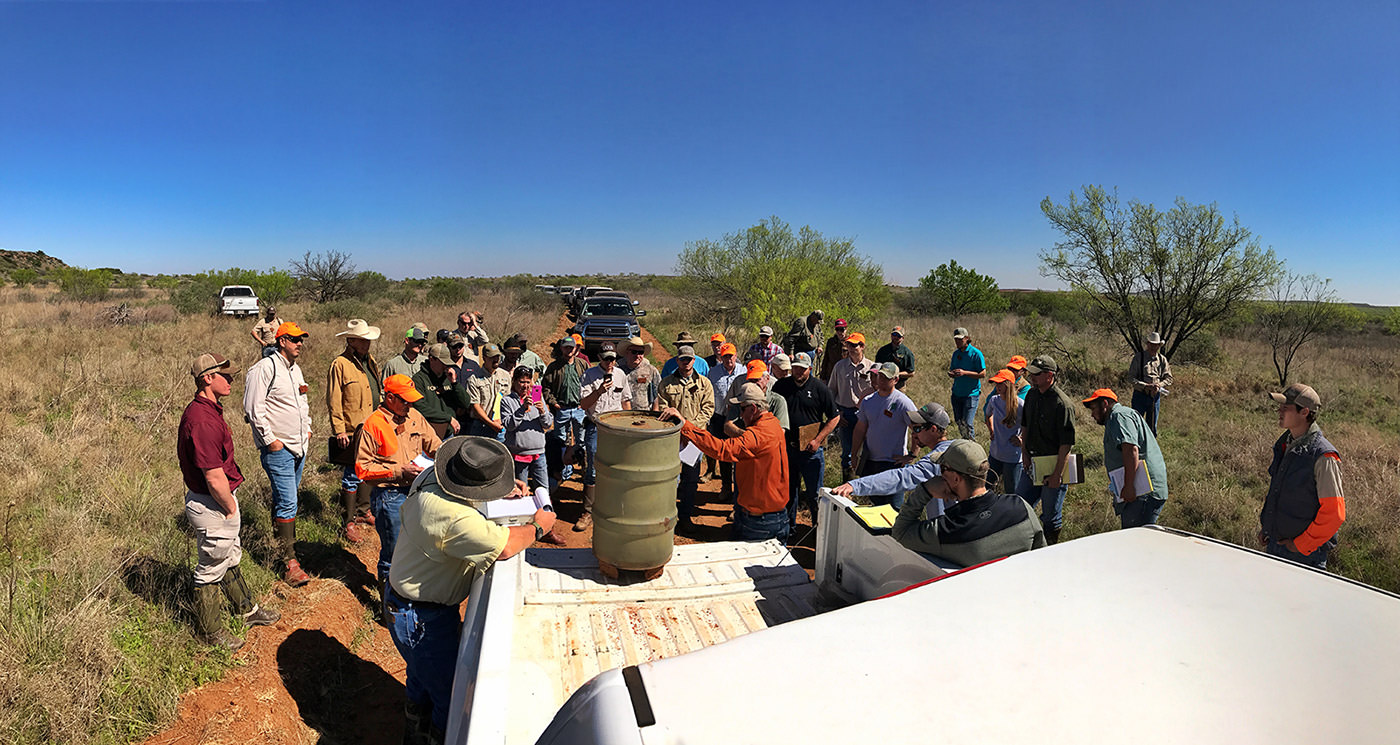
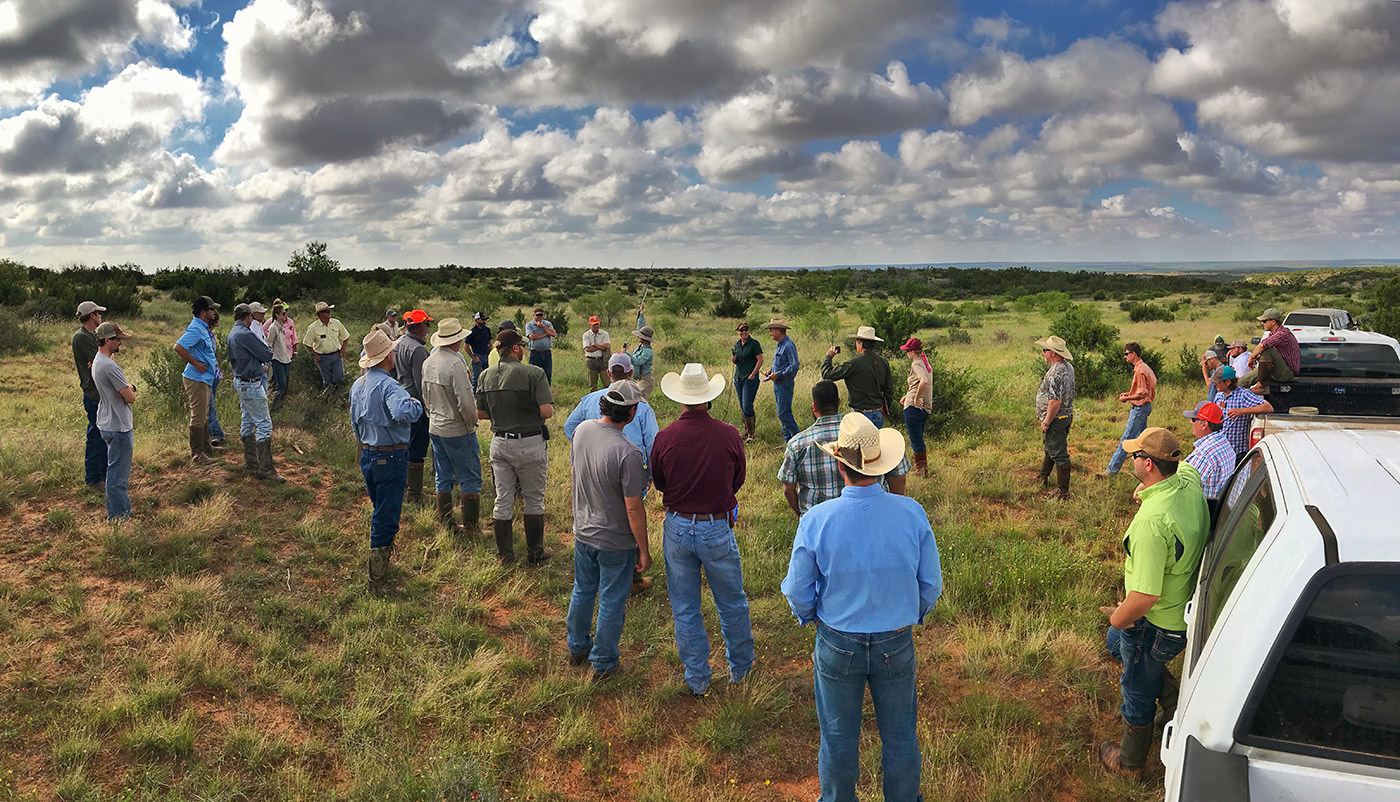
We concluded our fall trapping efforts on December 20. We extend our sincere thanks to the many volunteers from Tarleton State University, West Texas A&M University, Texas Tech, Texas Parks and Wildlife Department, Rolling Plains Bobwhite Brigades, Texas Master Naturalists, and local landowners and managers who made this effort possible. This was a massive undertaking, requiring approximately 15 hours of work each day for 12 consecutive days. Without the dedication and support of our volunteers, this work would not have been possible.

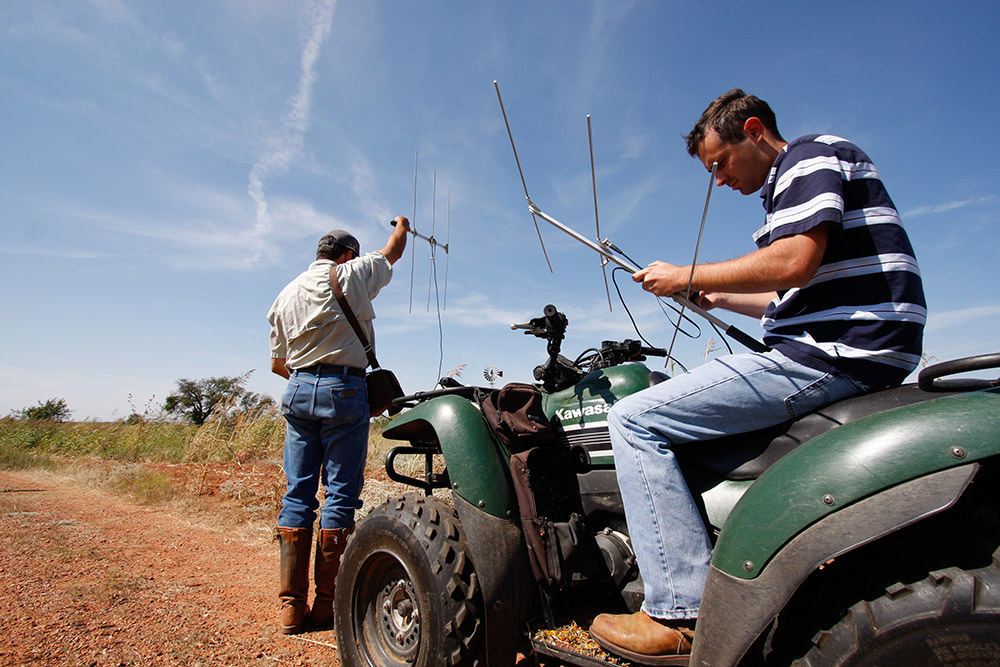
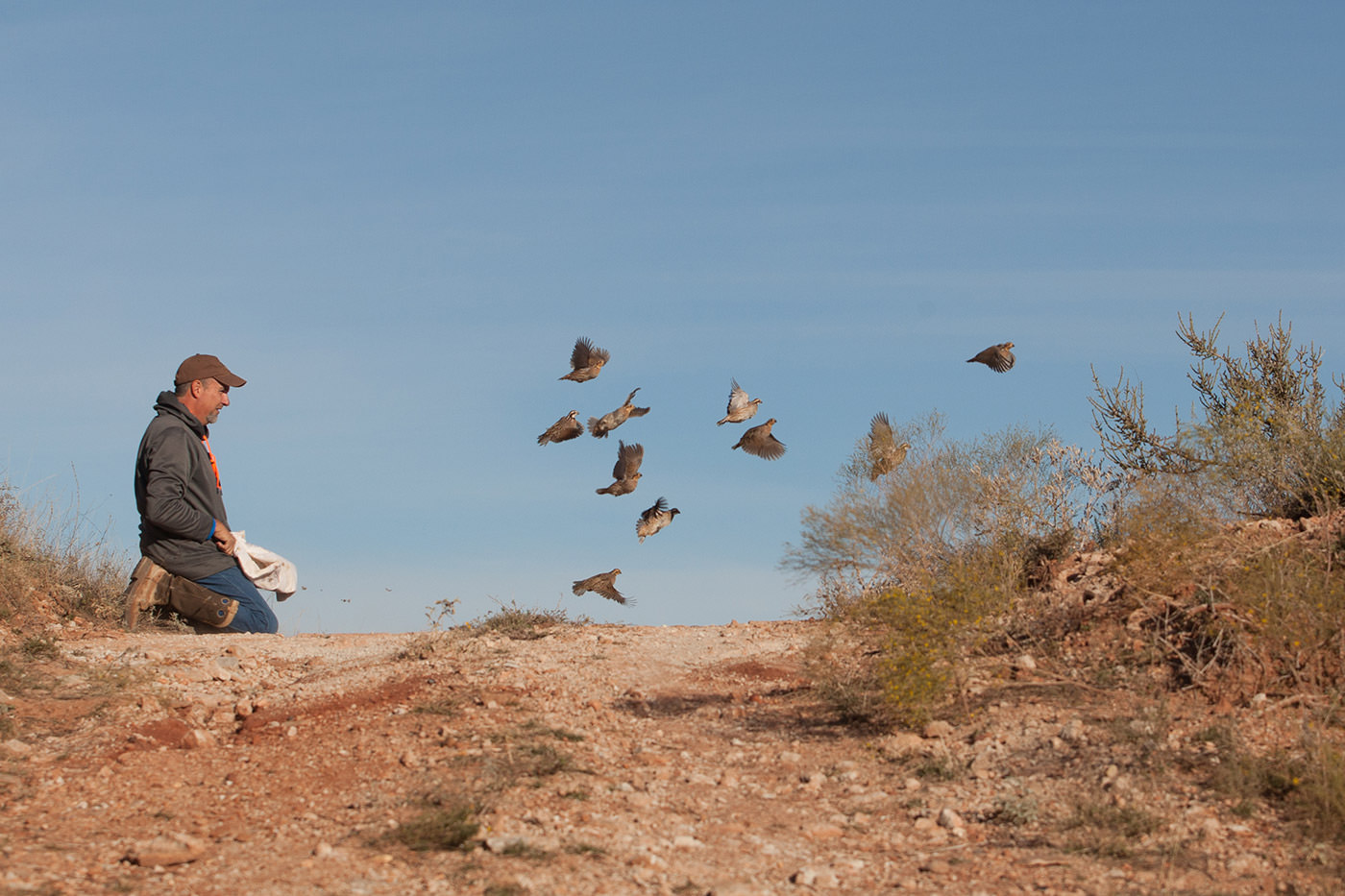
Over the two-week trapping period, we handled a total of 2,861 birds, of which 1,690 were unique individuals (never been captured/marked). Each bird was sexed, aged, weighed, and banded. Approximately 50% of the birds were gavaged (wormed) as part of our ongoing parasite research. We also deployed 50 GPS backpacks and 50 VHF collars on bobwhite quail, along with VHF collars on six scaled quail.

The age ratio of quail captured was 2.1 juveniles per adult. This means that for every adult bird, we captured just over two young birds hatched this year. Age ratios are a useful indicator of reproductive success and survival: a higher proportion of juveniles suggests good hatching success and favorable conditions for young birds to survive through the season. In this case, the ratio indicates fair production and survival, suggesting that the population continues to maintain healthy recruitment. Overall, our data indicates that population size, nesting success, and survival rates are nearly identical to those observed in 2024. We can’t wait to see what these birds teach us in the upcoming year(s)!

<!–

From our Facebook Page

by Dana Wright

Facebook post of the month goes to “Quail aren’t dead in Stonewall County”! We received this picture taken by Sabrina near the Double Mountain Cemetery in Stonewall County.

Several readers chimed in saying they’ve seen quail in and around cemeteries too—and it makes sense when you think about it. Rural cemeteries are often on the outskirts of towns and can provide valuable cover in the form of low-growing shrubs, native vegetation, and even tombstones. These quiet spaces can become unexpected refuges for wildlife.

So, here’s something to ponder: What if cemeteries were planted with native plants that require less maintenance—less watering, mowing, and herbicides—while being drought- and disease-tolerant?

Low-growing native grasses such as buffalograss and blue grama are drought tolerant and only need occasional mowing, mix in a few native wildflowers for a beautiful landscape, that also provides habitat for wildlife and pollinators. Personally, I wouldn’t mind being planted in the ground if I knew Texas horned lizards, quail, and monarch butterflies were able to enjoy the same ground.

Quail and Deer; Can you have Both?

by Dana Wright

At the Rolling Plains Quail Research Ranch, all habitat management decisions revolve around improving and maintaining high-quality quail habitat. During my time with TPWD, I often told landowners that if you manage your property for quail, it will benefit deer—but not necessarily the other way around.

Deer are highly adaptable and can live and thrive in a wide range of habitats, from the thick woods of East Texas to the streets of Austin. Quail, on the other hand, have very specific habitat requirements. When deer populations exceed the carrying capacity of the land, they can negatively impact habitat by overgrazing and over-browsing preferred plants that are also important for quail.

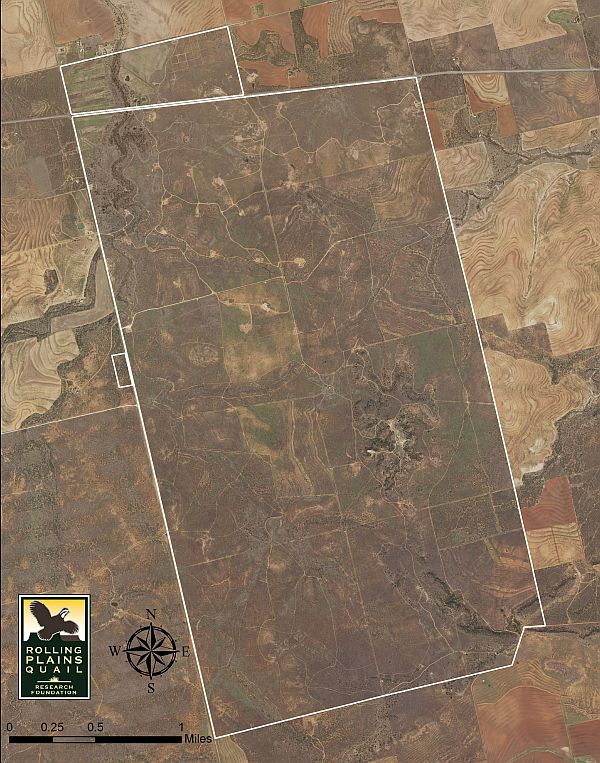
In 2024, we began conducting spotlight surveys to estimate deer density on the Rolling Plains Quail Research Ranch and to monitor population trends over time. These surveys help us make informed management decisions to keep the deer population within the habitat’s carrying capacity while protecting quail habitat. They also provide valuable hands-on experience for our technicians using another wildlife survey method.

We established a fixed survey route around the ranch that is driven at night. Two observers use spotlights to count deer observed along the route. Surveys are conducted on three different nights between August and September. During daylight hours in the same time frame, technicians also record the number of bucks, does, and fawns observed. Together, these data allow us to estimate deer density and herd composition.

In 2024, we estimated a deer density of 18.34 acres per deer, with a 2.79 doe-to-buck ratio and 0.29 fawns per doe. In 2025, estimates indicated 22.68 acres per deer, a 2.12 doe-to-buck ratio, and 0.42 fawns per doe.

While there is no precise way to count deer, collecting this information over the long term will be valuable for making informed management decisions that protect quail habitat while maintaining a healthy deer population.

By the Numbers: 2025 Year-End-Review

How to Submit Quail for Parasite Research Project – Video

<!–

Quail Samples Needed!

The Rolling Plains Quail Research Ranch is again asking for hunters to submit quail samples to be included in a research project looking at the prevalence of eye worms and cecal worms in quail. For information on how to submit birds click HERE.

QuailMasters Registration is Open!

QuailMasters is a series of workshops that will help students “understand the quail equation” and hone their knowledge of all things related to quail management in Texas. The workshop series is designed for serious students of quail management. 

2026 Session dates and locations are: 

Session 1: April 26-28 – Rolling Plains Quail Research Ranch, Roby

Session 2: June 14-16 – South Texas, Hebbronville

Session 3: August 16-18 – East Texas (TBA)

Session 4: October 25-27 – Panhandle (TBA)

The series is limited to 40 participants, so early sign up is advised.

For more information or to register click HERE or contact Dana Wright ([email protected]) with RPQRF for more information. Deadline for registration is April 1, or until enrollment hits 40 students.

Dates to Remember:

January 17, 2026West Texas Safari Club International Hunting Extravaganza

February 5, 2026Permian Basin Quail Coalition Dinner & Auction

February 28, 2026 – Last day of the Texas quail hunting season

March 5, 2026Park Cities Quail Coalition Dinner & Auction

April 1, 2026 – Deadline to register for QuailMasters

May 22, 2026 – Annual RPQRR Field Day

The Rolling Plains Quail Research Foundation greatly depends on annual  donations. We hope you will consider making a contribution to help us continue our mission of preserving Texas’ wild quail hunting heritage for this, and future, generations!

<!–

<!–[if (gte mso 9)|(IE)]>

<![endif]–>
<!–[if (gte mso 9)|(IE)]>
<![endif]–>

<!–[if (gte mso 9)|(IE)]>

<![endif]–>