RPQRF e-Quail Newsletter (Feb 2026)

By February 3, 2026Newsletters

96

RPQRF e-Quail Newsletter (Feb 2026)

<!–

͏ ‌     ͏ ‌     ͏ ‌     ͏ ‌     ͏ ‌     ͏ ‌     ͏ ‌     ͏ ‌     ͏ ‌     ͏ ‌     ͏ ‌     ͏ ‌     ͏ ‌     ͏ ‌     ͏ ‌     ͏ ‌     ͏ ‌     ͏ ‌     ͏ ‌     ͏ ‌     ͏ ‌     ͏ ‌     ͏ ‌     ͏ ‌     ͏ ‌     ͏ ‌     ͏ ‌     ͏ ‌     ͏ ‌     ͏ ‌     ͏ ‌     ͏ ‌     ͏ ‌     ͏ ‌     ͏ ‌     ͏ ‌     ͏ ‌     ͏ ‌     ͏ ‌     ͏ ‌     ͏ ‌     ͏ ‌     ͏ ‌     ͏ ‌     ͏ ‌     ͏ ‌     ͏ ‌     ͏ ‌     ͏ ‌     ͏ ‌     ͏ ‌     ͏ ‌     ͏ ‌     ͏ ‌     ͏ ‌     ͏ ‌     ͏ ‌     ͏ ‌     ͏ ‌     ͏ ‌     ͏ ‌     ͏ ‌     ͏ ‌     ͏ ‌     ͏ ‌     ͏ ‌     ͏ ‌     ͏ ‌     ͏ ‌     ͏ ‌     ͏ ‌     ͏ ‌     ͏ ‌     ͏ ‌     ͏ ‌     ͏ ‌     ͏ ‌     ͏ ‌     ͏ ‌     ͏ ‌     ͏ ‌     ͏ ‌     ͏ ‌     ͏ ‌     ͏ ‌     ͏ ‌     ͏ ‌     ͏ ‌     ͏ ‌     ͏ ‌     ͏ ‌     ͏ ‌     ͏ ‌     ͏ ‌     ͏ ‌     ͏ ‌     ͏ ‌     ͏ ‌     ͏ ‌     ͏ ‌     ͏ ‌     ͏ ‌     ͏ ‌     ͏ ‌     ͏ ‌     ͏ ‌     ͏ ‌     ͏ ‌     ͏ ‌     ͏ ‌     ͏ ‌     ͏ ‌     ͏ ‌     ͏ ‌     ͏ ‌     ͏ ‌     ͏ ‌     ͏ ‌     ͏ ‌     ͏ ‌     ͏ ‌     ͏ ‌     ͏ ‌     ͏ ‌     ͏ ‌     ͏ ‌     ͏ ‌     ͏ ‌     ͏ ‌     ͏ ‌     ͏ ‌     ͏ ‌     ͏ ‌     ͏ ‌     ͏ ‌     ͏ ‌     ͏ ‌     ͏ ‌     ͏ ‌     ͏ ‌     ͏ ‌     ͏ ‌     ͏ ‌     ͏ ‌     ͏ ‌     ͏ ‌     ͏ ‌     ͏ ‌     ͏ ‌     ͏ ‌     ͏ ‌     ͏ ‌     ͏ ‌     ͏ ‌     ͏ ‌     ͏ ‌     ͏ ‌     ͏ ‌     ͏ ‌     ͏ ‌     ͏ ‌     ͏ ‌     ͏ ‌     ͏ ‌     ͏ ‌     ͏ ‌     ͏ ‌     ͏ ‌     ͏ ‌     ͏ ‌     ͏ ‌     ͏ ‌     ͏ ‌     ͏ ‌     ͏ ‌     ͏ ‌     ͏ ‌     ͏ ‌     ͏ ‌     ͏ ‌     ͏ ‌     ͏ ‌     ͏ ‌     ͏ ‌     ͏ ‌     ͏ ‌     ͏ ‌     ͏ ‌     ͏ ‌     ͏ ‌     ͏ ‌     ͏ ‌     ͏ ‌     ͏ ‌     ͏ ‌     ͏ ‌     ͏ ‌     ͏ ‌     ͏ ‌     ͏ ‌     ͏ ‌     ͏ ‌     ͏ ‌     ͏ ‌     ͏ ‌     ͏ ‌     ͏ ‌     ͏ ‌     ͏ ‌     ͏ ‌     ͏ ‌     ͏ ‌     ͏ ‌     ͏ ‌     ͏ ‌     ͏ ‌     ͏ ‌     ͏ ‌     ͏ ‌     ͏ ‌     ͏ ‌     ͏ ‌     ͏ ‌     ͏ ‌     ͏ ‌     ͏ ‌     ͏ ‌     ͏ ‌     ͏ ‌     ͏ ‌     ͏ ‌     ͏ ‌     ͏ ‌     ͏ ‌     ͏ ‌     ͏ ‌     ͏ ‌     ͏ ‌     ͏ ‌     ͏ ‌     ͏ ‌     ͏ ‌     ͏ ‌     ͏ ‌     ͏ ‌     ͏ ‌     ͏ ‌     ͏ ‌     ͏ ‌     ͏ ‌     ͏ ‌     ͏ ‌     ͏ ‌     ͏ ‌     ͏ ‌     ͏ ‌     ͏ ‌     ͏ ‌     ͏ ‌     ͏ ‌     ͏ ‌     ͏ ‌     ͏ ‌     ͏ ‌     ͏ ‌     ͏ ‌     ͏ ‌     ͏ ‌     ͏ ‌     ͏ ‌     ͏ ‌     ͏ ‌     ͏ ‌     ͏ ‌     ͏ ‌     ͏ ‌     ͏ ‌     ͏ ‌     ͏ ‌     ͏ ‌     ͏ ‌     ͏ ‌     ͏ ‌     ͏ ‌     ͏ ‌     ͏ ‌     ͏ ‌     ͏ ‌     ͏ ‌     ͏ ‌     ͏ ‌     ͏ ‌     ͏ ‌     ͏ ‌     ͏ ‌     ͏ ‌     ͏ ‌     ͏ ‌     ͏ ‌     ͏ ‌     ͏ ‌     ͏ ‌     ͏ ‌     ͏ ‌     ͏ ‌     ͏ ‌     ͏ ‌     ͏ ‌     ͏ ‌     ͏ ‌     ͏ ‌     ͏ ‌     ͏ ‌     ͏ ‌     ͏ ‌     ͏ ‌     ͏ ‌     ͏ ‌     ͏ ‌     ͏ ‌    ­ ­ ­ ­ ­ ­ ­ ­ ­ ­ ­ ­ ­ ­ ­ ­ ­ ­ ­ ­ ­ ­ ­ ­ ­ ­ ­ ­ ­ ­ ­ ­ ­ ­ ­ ­ ­ ­ ­ ­ ­ ­ ­ ­ ­ ­ ­ ­ ­ ­ ­ ­ ­ ­ ­ ­ ­ ­ ­ ­ ­ ­ ­ ­ ­ ­ ­ ­ ­ ­ ­ ­ ­ ­ ­ ­ ­ ­ ­ ­ ­ ­ ­ ­ ­ ­ ­ ­ ­ ­ ­ ­ ­ ­ ­ ­ ­ ­ ­ ­ ­ ­ ­ ­ ­ ­ ­ ­ ­ ­ ­ ­ ­ ­ ­ ­ ­ ­ ­ ­ ­ ­ ­ ­ ­ ­ ­ ­ ­ ­ ­ ­ ­ ­ ­ ­ ­ ­ ­ ­ ­ ­ ­ ­ ­ ­ ­ ­ ­ ­ ­ ­ ­ ­ ­ ­ ­ ­ ­ ­ ­ ­ ­ ­ ­ ­ ­ ­ ­ ­ ­ ­ ­ ­ ­ ­ ­ ­ ­ ­ ­ ­ ­ ­ ­ ­ ­ ­ ­ ­ ­ ­ ­ ­ ­ ­ ­ ­ ­ ­ ­ ­ ­ ­ ­ ­ ­ ­ ­ ­ ­ ­ ­ ­ ­ ­ ­ ­ ­ ­ ­ ­ ­ ­ ­ ­ ­ ­ ­ ­ ­ ­ ­ ­ ­ ­ ­ ­ ­ ­ ­ ­ ­ ­ ­ ­ ­ ­ ­ ­ ­ ­ ­ ­ ­ ­ ­ ­ ­ ­ ­ ­ ­ ­ ­ ­ ­ ­ ­ ­ ­ ­ ­ ­ ­ ­ ­ ­ ­ ­ ­ ­

<!–[if (gte mso 9)|(IE)]>
<![endif]–>

<!–

Vol 18 • No. 2

<!–

<!–[if (gte mso 9)|(IE)]>

<![endif]–>
<!–[if (gte mso 9)|(IE)]>
<![endif]–>

Accounting for the Birds We Don’t Recover

by Dr. Ryan O’Shaughnessy

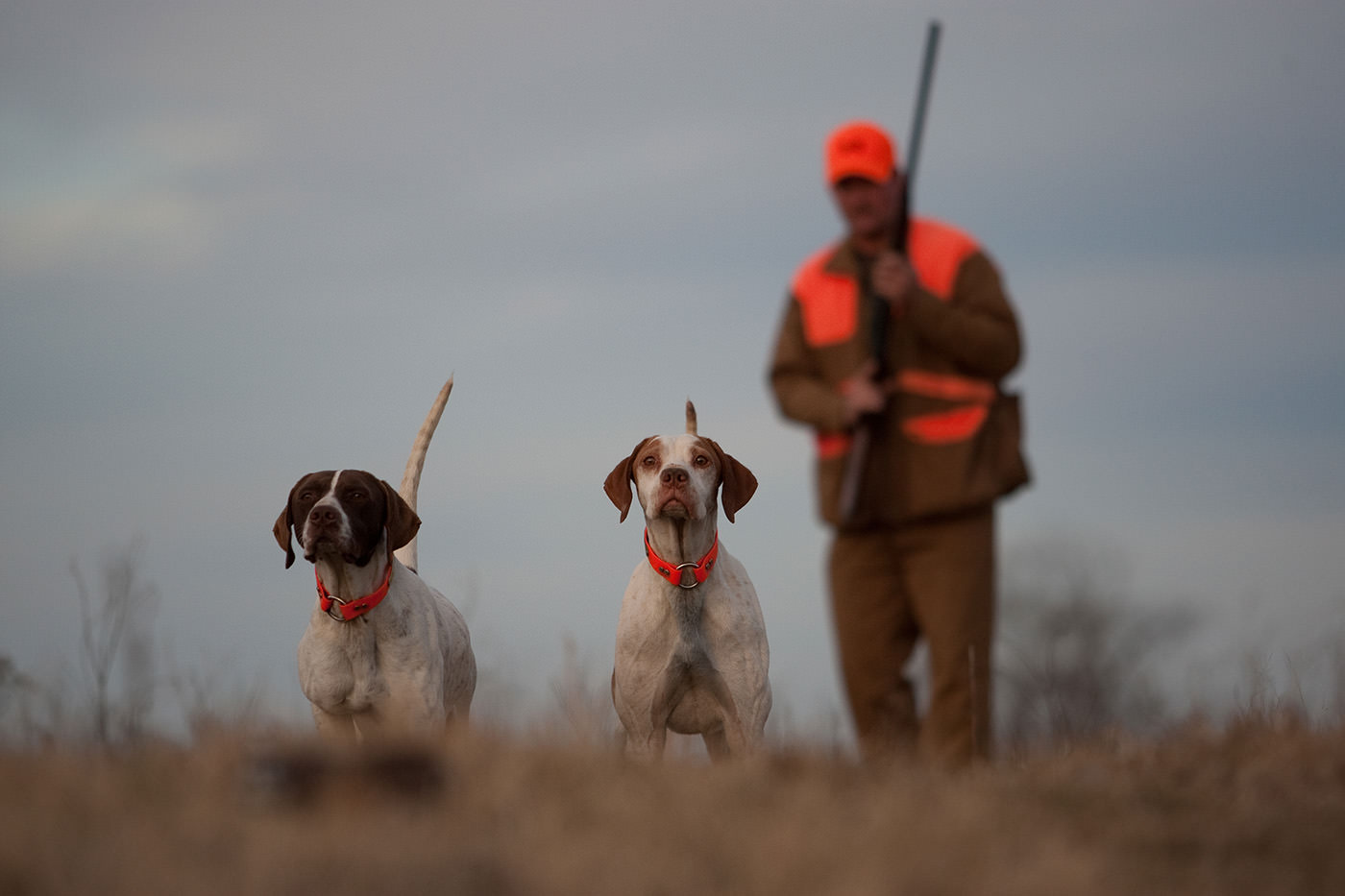
As quail season progresses, many quail camps across Texas find themselves hosting a steady stream of guests. With that comes an understandable focus on harvest numbers—how many birds are taken, how many coveys are encountered, and whether harvest remains within sustainable limits. In many camps, harvest efficiency is relatively low, often averaging less than one bird per covey rise. Under those circumstances, staying at or below the commonly recommended threshold of removing no more than 10% of the fall population can appear straightforward.

However, emerging research suggests that recovered harvest numbers alone may not tell the full story.

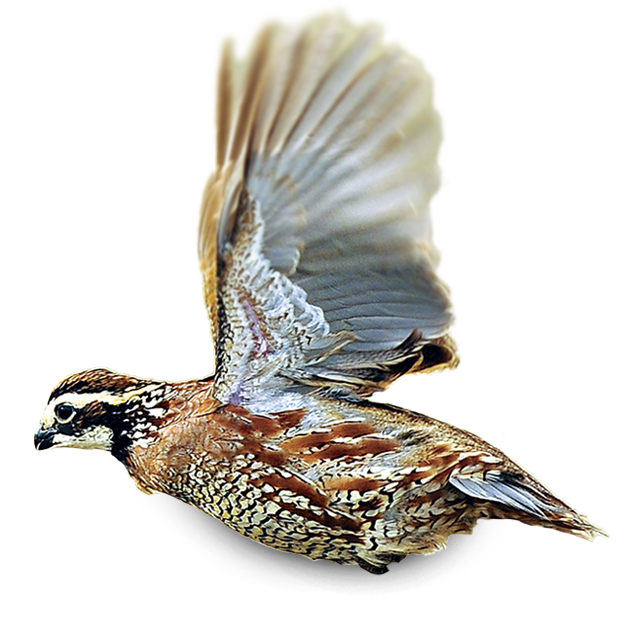
Recent work led by Dr. James Martin and colleagues in Georgia has brought renewed attention to the issue of unrecovered, or wounded, birds. Their research indicates that wounding rates in bobwhite quail hunting may be substantially higher than previously assumed—potentially as high as 35% under certain conditions. These birds are not included in harvest tallies, yet they may represent real, additive mortality within the population.

This finding has important implications for quail management. If managers base harvest decisions solely on birds placed in the game bag, they may unintentionally underestimate total hunting-related mortality. For example, a property that believes it has harvested 8–10% of its population based on recovered birds may, in reality, be exerting substantially higher pressure once unrecovered losses are considered.

None of this suggests that quail hunting, as traditionally practiced, is inherently unsustainable. Rather, it highlights the need for more nuanced and responsible accounting. Wounding loss varies with shooting skill, gun and load selection, vegetation density, dog work, and the distance and angle at which birds are taken. Well-managed operations that emphasize close-working dogs, ethical shooting distances, and hunter education may experience lower wounding rates than those reported in experimental or heavily pressured settings.

Still, the takeaway is clear: unknown mortality matters. As stewards of the resource, quail managers and landowners should consider incorporating reasonable estimates of wounding loss into their harvest calculations. Doing so adds a margin of safety and helps ensure that hunting pressure remains compatible with long-term population health.

At the Rolling Plains Quail Research Foundation, we believe that science-informed management is essential to sustaining quail and quail hunting for future generations. As research continues to refine our understanding of harvest dynamics, adapting our management frameworks to reflect the best available data is not just prudent—it’s responsible conservation.

<!–

Cold is Not the Enemy for Quail

By Dr. Dan Foley

Over 4–5 days towards the end of January, Winter Storm Fern moved through Texas and much of the South with a familiar suite of stressors: hard freezes, wind, sleet/freezing rain, and intermittent snow. A winter-storm disaster proclamation was issued on January 22, 2026, and expanded to 219 Texas counties, underscoring how broadly conditions deteriorated.

For bobwhites, storms like Fern matter—but the  mechanism is often misunderstood. Northern bobwhite can generally tolerate cold  temperatures when two prerequisites are met: (1) good body condition  (fat/energy reserves) and (2) habitat structure that lets them conserve heat  and access food with minimal exposure. When those prerequisites are satisfied,  cold snaps are usually a temporary inconvenience. When they are not, cold  becomes the trigger that exposes underlying weaknesses in the system.

<!–

From our Facebook Page

by Dana Wright

The Facebook post of the month goes to a “Roaming Quail”! We received a report of a hunter harvesting one of our banded birds on January 2, 2026. It was a male bobwhite we had captured on the Rolling Plains Quail Research Ranch as a juvenile in December of 2024, this bird would have been 1.5 years old at the time it was recovered on a neighboring property, about 1.6 miles from where we had captured it. Home ranges for a bobwhite quail will vary between 20-80 acres depending on the habitat. This movement could have been done in a series of small moves over a year’s time or as a single event, the bird did not have VHF or GPS transmitter, so we have no way of knowing when or how long it took him to make the move.

Wildlife Tale Tales

Have you ever wondered if popular wildlife myths have any truth to them? For instance, does culling deer result in bigger-antlered bucks down the line?  Do black panthers live in Texas? Is weedkiller effective at killing mesquite trees? Have predators decimated the quail population? Are rattlesnakes not rattling anymore?

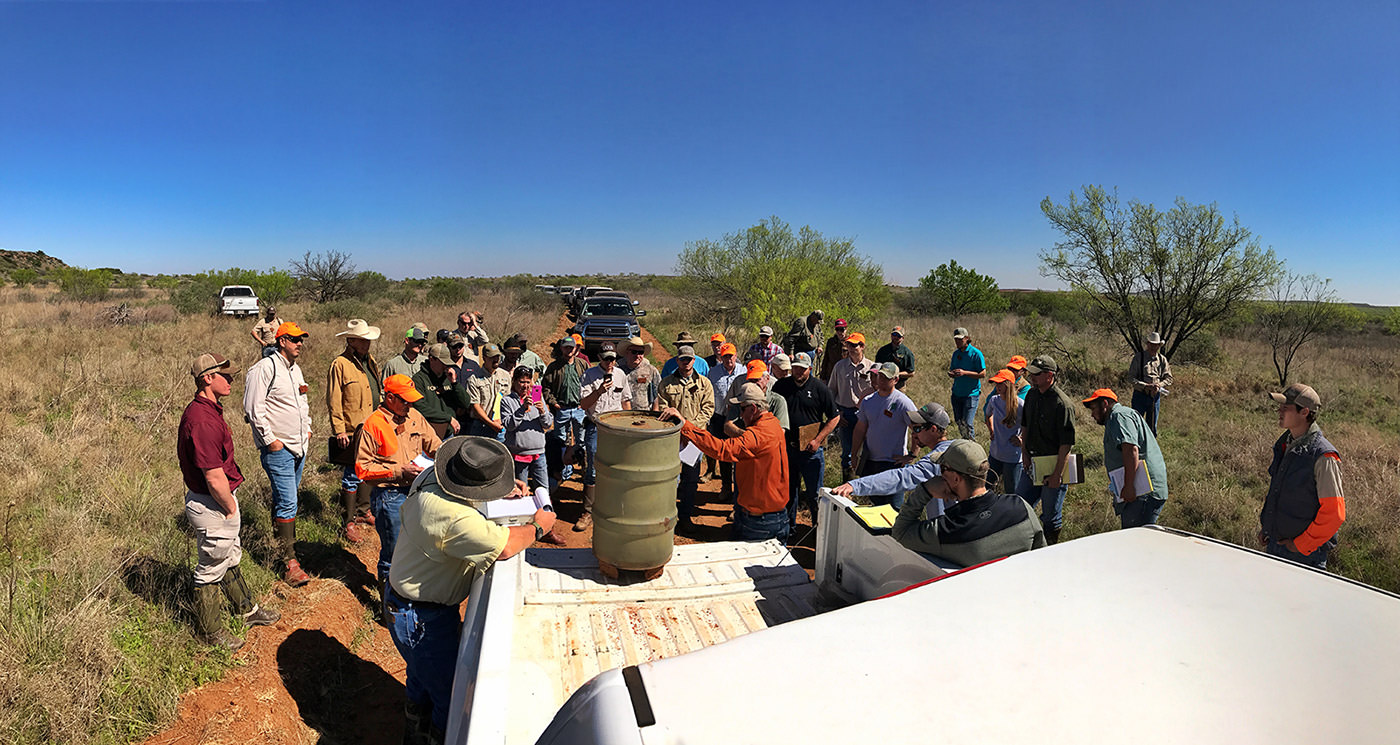
Join us at the Rolling Plains Quail Research Ranch on Friday, April 10th, 2026 from 8:30 AM to 3 PM to learn the facts! Biologists from Texas Parks and Wildlife and the Rolling Plains Quail Research Ranch will bust some myths with scientifically backed evidence. Please  contact Kelli Bashaw with Texas Parks & Wildlife Dept. at 806-269-1031 for  more information or to register. Registration is $20 on or before April 3, 2026, $30 afterwards and at the door, lunch is included and participants can earn 1 CEU for their applicator’s license.

<!–
<!–

Quail Restoration Project – Reseeding Native Grasses & Forbs

<!–

YouTube Video of the Month

Parasites in Quail Research Project

Quail hunters, thank you for submitting your harvested birds to us for our Parasites in Quail Research Project! We have received over 600 samples this year, more than enough for our research, so we are asking that you not submit anymore (our freezers are full). It will take us several months to go through all the samples and analyze the data. We will then send out a report to everyone who submitted birds for testing, as well as publish results in our newsletter. Expect a 3-4 month wait for results.

Special thanks to Park Cities Quail Coalition for funding this research!

<!–

QuailMasters Registration is Open!

QuailMasters is a series of workshops that will help students “understand the quail equation” and hone their knowledge of all things related to quail management in Texas. The workshop series is designed for serious students of quail management. 

2026 Session dates and locations are: 

Session 1: April 26-28 – Rolling Plains Quail Research Ranch – Roby, TX

Session 2: June 14-16 – South Texas – Hebbronville, TX

Session 3: August 16-18 – East Texas – Huntsville, TX

Session 4: October 25-27 – Panhandle – Pampa, TX

The series is limited to 40 participants, so early sign up is advised.

For more information or to register click HERE or contact Dana Wright ([email protected]) with RPQRF for more information. Deadline for registration is April 1, or until enrollment hits 40 students.

Dates to Remember:

February 5, 2026Permian Basin Quail Coalition Dinner & Auction

February 28, 2026 – Last day of the Texas quail hunting season

March 5, 2026Park Cities Quail Coalition Dinner & Auction

April 1, 2026 – Deadline to register for QuailMasters

April 10, 2026MythBusters Program for Wildlife Tall Tales at RPQRR

May 22, 2026 – Annual RPQRR Field Day

<!–

The Rolling Plains Quail Research Foundation greatly depends on annual  donations. We hope you will consider making a contribution to help us continue our mission of preserving Texas’ wild quail hunting heritage for this, and future, generations!

<!–

<!–[if (gte mso 9)|(IE)]>

<![endif]–>
<!–[if (gte mso 9)|(IE)]>
<![endif]–>

<!–[if (gte mso 9)|(IE)]>

<![endif]–>