RPQRF e-Quail Newsletter June 2026

96

RPQRF e-Quail Newsletter June 2026

<!–

͏ ‌     ͏ ‌     ͏ ‌     ͏ ‌     ͏ ‌     ͏ ‌     ͏ ‌     ͏ ‌     ͏ ‌     ͏ ‌     ͏ ‌     ͏ ‌     ͏ ‌     ͏ ‌     ͏ ‌     ͏ ‌     ͏ ‌     ͏ ‌     ͏ ‌     ͏ ‌     ͏ ‌     ͏ ‌     ͏ ‌     ͏ ‌     ͏ ‌     ͏ ‌     ͏ ‌     ͏ ‌     ͏ ‌     ͏ ‌     ͏ ‌     ͏ ‌     ͏ ‌     ͏ ‌     ͏ ‌     ͏ ‌     ͏ ‌     ͏ ‌     ͏ ‌     ͏ ‌     ͏ ‌     ͏ ‌     ͏ ‌     ͏ ‌     ͏ ‌     ͏ ‌     ͏ ‌     ͏ ‌     ͏ ‌     ͏ ‌     ͏ ‌     ͏ ‌     ͏ ‌     ͏ ‌     ͏ ‌     ͏ ‌     ͏ ‌     ͏ ‌     ͏ ‌     ͏ ‌     ͏ ‌     ͏ ‌     ͏ ‌     ͏ ‌     ͏ ‌     ͏ ‌     ͏ ‌     ͏ ‌     ͏ ‌     ͏ ‌     ͏ ‌     ͏ ‌     ͏ ‌     ͏ ‌     ͏ ‌     ͏ ‌     ͏ ‌     ͏ ‌     ͏ ‌     ͏ ‌     ͏ ‌     ͏ ‌     ͏ ‌     ͏ ‌     ͏ ‌     ͏ ‌     ͏ ‌     ͏ ‌     ͏ ‌     ͏ ‌     ͏ ‌     ͏ ‌     ͏ ‌     ͏ ‌     ͏ ‌     ͏ ‌     ͏ ‌     ͏ ‌     ͏ ‌     ͏ ‌     ͏ ‌     ͏ ‌     ͏ ‌     ͏ ‌     ͏ ‌     ͏ ‌     ͏ ‌     ͏ ‌     ͏ ‌     ͏ ‌     ͏ ‌     ͏ ‌     ͏ ‌     ͏ ‌     ͏ ‌     ͏ ‌     ͏ ‌     ͏ ‌     ͏ ‌     ͏ ‌     ͏ ‌     ͏ ‌     ͏ ‌     ͏ ‌     ͏ ‌     ͏ ‌     ͏ ‌     ͏ ‌     ͏ ‌     ͏ ‌     ͏ ‌     ͏ ‌     ͏ ‌     ͏ ‌     ͏ ‌     ͏ ‌     ͏ ‌     ͏ ‌     ͏ ‌     ͏ ‌     ͏ ‌     ͏ ‌     ͏ ‌     ͏ ‌     ͏ ‌     ͏ ‌     ͏ ‌     ͏ ‌     ͏ ‌     ͏ ‌     ͏ ‌     ͏ ‌     ͏ ‌     ͏ ‌     ͏ ‌     ͏ ‌     ͏ ‌     ͏ ‌     ͏ ‌     ͏ ‌     ͏ ‌     ͏ ‌     ͏ ‌     ͏ ‌     ͏ ‌     ͏ ‌     ͏ ‌     ͏ ‌     ͏ ‌     ͏ ‌     ͏ ‌     ͏ ‌     ͏ ‌     ͏ ‌     ͏ ‌     ͏ ‌     ͏ ‌     ͏ ‌     ͏ ‌     ͏ ‌     ͏ ‌     ͏ ‌     ͏ ‌     ͏ ‌     ͏ ‌     ͏ ‌     ͏ ‌     ͏ ‌     ͏ ‌     ͏ ‌     ͏ ‌     ͏ ‌     ͏ ‌     ͏ ‌     ͏ ‌     ͏ ‌     ͏ ‌     ͏ ‌     ͏ ‌     ͏ ‌     ͏ ‌     ͏ ‌     ͏ ‌     ͏ ‌     ͏ ‌     ͏ ‌     ͏ ‌     ͏ ‌     ͏ ‌     ͏ ‌     ͏ ‌     ͏ ‌     ͏ ‌     ͏ ‌     ͏ ‌     ͏ ‌     ͏ ‌     ͏ ‌     ͏ ‌     ͏ ‌     ͏ ‌     ͏ ‌     ͏ ‌     ͏ ‌     ͏ ‌     ͏ ‌     ͏ ‌     ͏ ‌     ͏ ‌     ͏ ‌     ͏ ‌     ͏ ‌     ͏ ‌     ͏ ‌     ͏ ‌     ͏ ‌     ͏ ‌     ͏ ‌     ͏ ‌     ͏ ‌     ͏ ‌     ͏ ‌     ͏ ‌     ͏ ‌     ͏ ‌     ͏ ‌     ͏ ‌     ͏ ‌     ͏ ‌     ͏ ‌     ͏ ‌     ͏ ‌     ͏ ‌     ͏ ‌     ͏ ‌     ͏ ‌     ͏ ‌     ͏ ‌     ͏ ‌     ͏ ‌     ͏ ‌     ͏ ‌     ͏ ‌     ͏ ‌     ͏ ‌     ͏ ‌     ͏ ‌     ͏ ‌     ͏ ‌     ͏ ‌     ͏ ‌     ͏ ‌     ͏ ‌     ͏ ‌     ͏ ‌     ͏ ‌     ͏ ‌     ͏ ‌     ͏ ‌     ͏ ‌     ͏ ‌     ͏ ‌     ͏ ‌     ͏ ‌     ͏ ‌     ͏ ‌     ͏ ‌     ͏ ‌     ͏ ‌     ͏ ‌     ͏ ‌     ͏ ‌     ͏ ‌     ͏ ‌     ͏ ‌     ͏ ‌     ͏ ‌     ͏ ‌     ͏ ‌     ͏ ‌     ͏ ‌     ͏ ‌     ͏ ‌     ͏ ‌     ͏ ‌     ͏ ‌     ͏ ‌     ͏ ‌     ͏ ‌     ͏ ‌     ͏ ‌     ͏ ‌     ͏ ‌     ͏ ‌     ͏ ‌     ͏ ‌     ͏ ‌     ͏ ‌     ͏ ‌     ͏ ‌    ­ ­ ­ ­ ­ ­ ­ ­ ­ ­ ­ ­ ­ ­ ­ ­ ­ ­ ­ ­ ­ ­ ­ ­ ­ ­ ­ ­ ­ ­ ­ ­ ­ ­ ­ ­ ­ ­ ­ ­ ­ ­ ­ ­ ­ ­ ­ ­ ­ ­ ­ ­ ­ ­ ­ ­ ­ ­ ­ ­ ­ ­ ­ ­ ­ ­ ­ ­ ­ ­ ­ ­ ­ ­ ­ ­ ­ ­ ­ ­ ­ ­ ­ ­ ­ ­ ­ ­ ­ ­ ­ ­ ­ ­ ­ ­ ­ ­ ­ ­ ­ ­ ­ ­ ­ ­ ­ ­ ­ ­ ­ ­ ­ ­ ­ ­ ­ ­ ­ ­ ­ ­ ­ ­ ­ ­ ­ ­ ­ ­ ­ ­ ­ ­ ­ ­ ­ ­ ­ ­ ­ ­ ­ ­ ­ ­ ­ ­ ­ ­ ­ ­ ­ ­ ­ ­ ­ ­ ­ ­ ­ ­ ­ ­ ­ ­ ­ ­ ­ ­ ­ ­ ­ ­ ­ ­ ­ ­ ­ ­ ­ ­ ­ ­ ­ ­ ­ ­ ­ ­ ­ ­ ­ ­ ­ ­ ­ ­ ­ ­ ­ ­ ­ ­ ­ ­ ­ ­ ­ ­ ­ ­ ­ ­ ­ ­ ­ ­ ­ ­ ­ ­ ­ ­ ­ ­ ­ ­ ­ ­ ­ ­ ­ ­ ­ ­ ­ ­ ­ ­ ­ ­ ­ ­ ­ ­ ­ ­ ­ ­ ­ ­ ­ ­ ­ ­ ­ ­ ­ ­ ­ ­ ­ ­ ­ ­ ­ ­ ­ ­ ­ ­ ­ ­ ­ ­ ­ ­ ­ ­ ­ ­

<!–[if (gte mso 9)|(IE)]>
<![endif]–>

<!–

Vol 18 • No. 6

<!–

<!–[if (gte mso 9)|(IE)]>

<![endif]–>
<!–[if (gte mso 9)|(IE)]>
<![endif]–>

It’s Not Just Quail Populations that Fluctuate

by Dr. Ryan O’Shaughnessy

The recent findings from RPQRF’s annual necropsy program have generated understandable concern among quail hunters and land managers. Samples collected during the 2025–2026 season showed higher prevalence and infestation rates of eyeworms and cecal worms compared to the 2024–2025 season. While any increase in parasite loads deserves careful attention, it is important to remember that fluctuations in parasite populations are a natural part of healthy ecosystems and should be interpreted within the context of long-term trends rather than isolated year-to-year changes.

Environmental conditions that favor quail populations also tend to favor many other organisms on the landscape, including insects, predators, and parasites. Periods of good rainfall and improved habitat conditions increase survival and reproduction across entire ecological communities. In the case of eyeworms and cecal worms, favorable moisture and temperature conditions can improve the survival of intermediate hosts such as insects, which can in turn increase opportunities for parasite transmission among quail populations.

In other words, when we see more quail on the landscape following productive years, it should not be surprising to occasionally see increases in parasite prevalence as well. Nature rarely benefits one species in isolation. Productive environmental conditions generally elevate biological activity across the board.

This is why RPQRF emphasizes long-term monitoring rather than drawing conclusions from a single season of data. Annual fluctuations are expected, even in areas where medicated feed treatments or other management strategies are being implemented. A temporary increase in parasite numbers does not necessarily indicate treatment failure, just as a single year of lower numbers does not automatically confirm success.

Instead, the effectiveness of medicated management strategies should be evaluated over many years of consistent sampling. Long-term datasets provide a much clearer picture of whether parasite prevalence and infestation intensity are trending upward, remaining stable, or declining over time. Short-term variability is simply part of working within dynamic natural systems that are heavily influenced by weather and environmental conditions.

RPQRF’s continued monitoring efforts remain critical to understanding these trends and helping landowners make informed management decisions. The value of the program lies not only in detecting changes from year to year, but in building a long-term dataset capable of separating temporary environmental fluctuations from meaningful biological trends.

As always, we appreciate the hunters, landowners, and  cooperators who continue contributing samples and supporting this important  research effort.

<!–

What Matters Most to Bobwhites? Lessons from 409 Nests and 65,000 Locations

by Adam J. Vonderschmidt

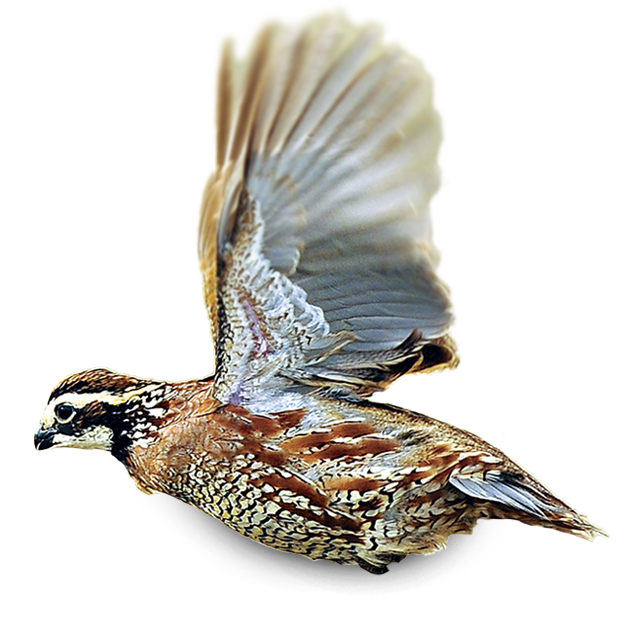
Over the last few years, I completed my Masters research at Oklahoma State University, focused on Northern bobwhite nesting ecology and space use in the Rolling Plains of Texas. My thesis, Effects of Low-Intensity Energy Development and Prescribed Fire on Northern Bobwhite Nesting Ecology and Space Use, examined how bobwhite respond to energy development, prescribed fire, habitat conditions, and weather variation across a working landscape.

Over the course of my study, I analyzed data collected from 2013 – 2024, including 409 bobwhite nests and more than 65,000 telemetry locations from 1,255 individuals. This long-term dataset provided a unique opportunity to examine how bobwhite respond to changing environmental conditions and varying levels of energy development across both the breeding and non-breeding seasons.

One of the most consistent findings was that vegetation and weather conditions played a much larger role in shaping bobwhite ecology than anthropogenic features. I found that nesting ecology during my study was primarily driven by precipitation and vegetation cover, particularly forbs and grasses. Similarly, space use during the breeding and non-breeding seasons was strongly influenced by vegetation, with some variation in vegetation type between seasons. In contrast, oil and gas infrastructure and prescribed fire had minimal influence on nesting ecology and seasonal space use. However, bobwhite did show a moderate tendency to use and nest in areas closer to secondary roads or two-tracked roads. All other anthropogenic features had minimal influence on bobwhite ecology in this system.

This research contributes to a growing body of  work aimed at understanding how bobwhite persist in dynamic, working  landscapes. While the effects of development are often context dependent, my  finding suggest that maintaining quality habitat remains the most important  factor for supporting bobwhite populations in the Rolling Plains and highlights  the importance of not exceeding potential disturbance thresholds. I am  incredibly grateful to the Rolling Plains Quail Research Foundation for  providing me with the opportunity to conduct this research and providing me  with access to the long-term dataset that made this work possible.

<!–

Note from the RPQRF Team:

Here at the Rolling Plains Quail Research Foundation, we are incredibly proud of Adam and all that he has accomplished. His journey with us began as a volunteer at the research ranch, where his passion for quail research quickly became evident. He later joined our team as a research technician and earned the nickname “Nest Specialist”.

Adam went on to earn his master’s degree from Oklahoma State University. Today, he serves as a Research Biologist with the Tall Timbers Western Pineywoods Quail Program, where he continues to make valuable contributions to quail research, habitat management, and conservation education.

It is always rewarding to see former staff and students grow into leaders in the field. Adam’s success is a testament to his hard work, curiosity, and commitment to conserving quail and the habitats they depend on. We are excited to watch his career continue to flourish and look forward to the impact he will make on quail conservation for years to come.

Nest for Success: What Makes Good Nesting Habitat

by Kyndal Underwood

Spring marks one of the most critical periods for quail populations as nesting season begins across the Rolling Plains. At the Rolling Plains Quail Research Ranch (RPQRR), we recently documented our first nest of the 2026 season—an encouraging sign for this year’s reproductive efforts and overall habitat conditions.

The nesting hen is an adult Bobwhite originally  captured and fitted with a GPS collar on December 9, 2025. Through continued  monitoring efforts, researchers located her active nest containing a clutch of  14 eggs. The nest was established within a stand of Texas wintergrass, a native  bunchgrass that can provide excellent nesting structure for bobwhites.

<!–
<!–

These squirrels are not simply herbivores that occasionally swallow a grasshopper. They actively eat grasshoppers, crickets, caterpillars, beetles, ants, and insect eggs. In some studies, animal matter has approached half of the diet by volume, with most of that animal material consisting of arthropods. In practical terms, ground squirrels can be as much insect predators as seed consumers during parts of the year.

<!–
<!–

From our Facebook Page

by Dana Wright

The Facebook post of the month goes to a Scaled Quail, also commonly referred to as “Blue Quail”, he was calling up a storm southwest of Snyder, Texas. This video was shared over 300 times, received over 10,000 reactions 👍🩷 and reached over 380,000 viewers. It just shows how much people love to see and hear quail!

We hope you are seeing and hearing quail on your property. Quail call in the spring to attract a mate and also to establish their territory. Calling frequency can be an indicator of breeding conditions.

You can see this video on our YouTube Channel or check out our Facebook.

<!–

The Rolling Plains Bobwhite Brigade Needs Your Help

Support the future of quail conservation and youth leadership by purchasing a raffle ticket for the 2026 Rolling Plains Bobwhite Brigade fundraiser! One lucky winner will receive a Texas Parks and Wildlife Lifetime Hunting & Fishing License.

Tickets are $20 each or 6 for $100, and every ticket helps support the next generation of conservation leaders. Drawing will be held June 11, 2026, you do not need to be present to win.

<!–

<!–

Thank You!

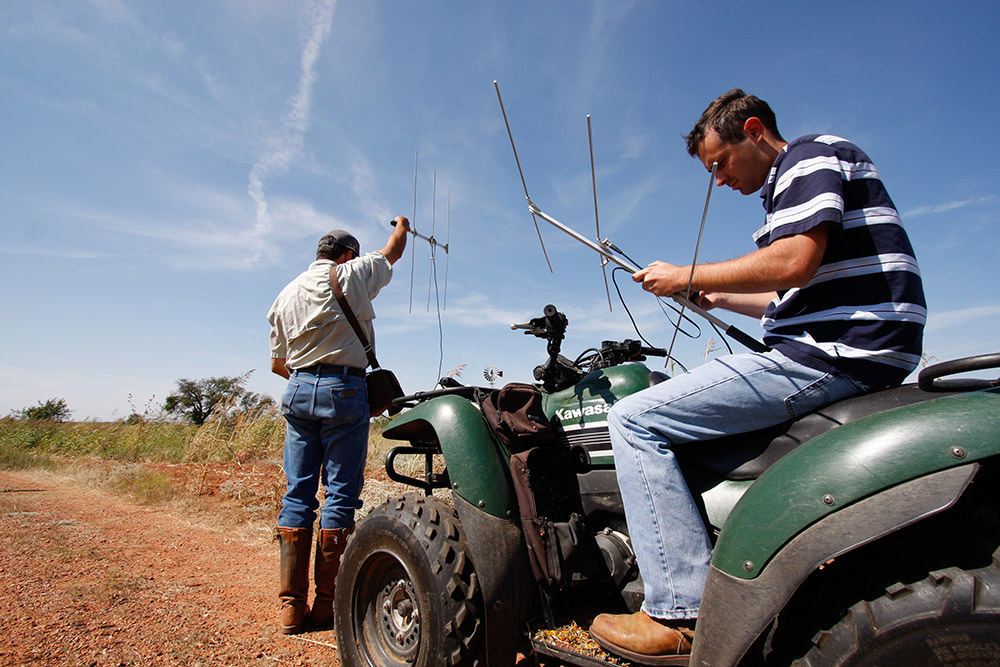
Special thanks to Chris Lander for donating a Kawasaki UTV to the Rolling Plains Quail Research Foundation. Chris was a 2018 graduate of our QuailMasters class, and we appreciate his continued support of quail research and conservation. This UTV will be used for research and habitat monitoring activities on the ranch.

If you would like to donate equipment or support the foundation’s research, education, and habitat management efforts, please contact Ryan O’Shaughnessy.

<!–

The Rolling Plains Quail Research Foundation greatly depends on annual  donations. We hope you will consider making a contribution to help us continue our mission of preserving Texas’ wild quail hunting heritage for this, and future, generations!

<!–

<!–[if (gte mso 9)|(IE)]>

<![endif]–>
<!–[if (gte mso 9)|(IE)]>
<![endif]–>

<!–[if (gte mso 9)|(IE)]>

<![endif]–>