RPQRF e-Quail Newsletter (May 2026)

96

RPQRF e-Quail Newsletter (May 2026)

<!–

͏ ‌     ͏ ‌     ͏ ‌     ͏ ‌     ͏ ‌     ͏ ‌     ͏ ‌     ͏ ‌     ͏ ‌     ͏ ‌     ͏ ‌     ͏ ‌     ͏ ‌     ͏ ‌     ͏ ‌     ͏ ‌     ͏ ‌     ͏ ‌     ͏ ‌     ͏ ‌     ͏ ‌     ͏ ‌     ͏ ‌     ͏ ‌     ͏ ‌     ͏ ‌     ͏ ‌     ͏ ‌     ͏ ‌     ͏ ‌     ͏ ‌     ͏ ‌     ͏ ‌     ͏ ‌     ͏ ‌     ͏ ‌     ͏ ‌     ͏ ‌     ͏ ‌     ͏ ‌     ͏ ‌     ͏ ‌     ͏ ‌     ͏ ‌     ͏ ‌     ͏ ‌     ͏ ‌     ͏ ‌     ͏ ‌     ͏ ‌     ͏ ‌     ͏ ‌     ͏ ‌     ͏ ‌     ͏ ‌     ͏ ‌     ͏ ‌     ͏ ‌     ͏ ‌     ͏ ‌     ͏ ‌     ͏ ‌     ͏ ‌     ͏ ‌     ͏ ‌     ͏ ‌     ͏ ‌     ͏ ‌     ͏ ‌     ͏ ‌     ͏ ‌     ͏ ‌     ͏ ‌     ͏ ‌     ͏ ‌     ͏ ‌     ͏ ‌     ͏ ‌     ͏ ‌     ͏ ‌     ͏ ‌     ͏ ‌     ͏ ‌     ͏ ‌     ͏ ‌     ͏ ‌     ͏ ‌     ͏ ‌     ͏ ‌     ͏ ‌     ͏ ‌     ͏ ‌     ͏ ‌     ͏ ‌     ͏ ‌     ͏ ‌     ͏ ‌     ͏ ‌     ͏ ‌     ͏ ‌     ͏ ‌     ͏ ‌     ͏ ‌     ͏ ‌     ͏ ‌     ͏ ‌     ͏ ‌     ͏ ‌     ͏ ‌     ͏ ‌     ͏ ‌     ͏ ‌     ͏ ‌     ͏ ‌     ͏ ‌     ͏ ‌     ͏ ‌     ͏ ‌     ͏ ‌     ͏ ‌     ͏ ‌     ͏ ‌     ͏ ‌     ͏ ‌     ͏ ‌     ͏ ‌     ͏ ‌     ͏ ‌     ͏ ‌     ͏ ‌     ͏ ‌     ͏ ‌     ͏ ‌     ͏ ‌     ͏ ‌     ͏ ‌     ͏ ‌     ͏ ‌     ͏ ‌     ͏ ‌     ͏ ‌     ͏ ‌     ͏ ‌     ͏ ‌     ͏ ‌     ͏ ‌     ͏ ‌     ͏ ‌     ͏ ‌     ͏ ‌     ͏ ‌     ͏ ‌     ͏ ‌     ͏ ‌     ͏ ‌     ͏ ‌     ͏ ‌     ͏ ‌     ͏ ‌     ͏ ‌     ͏ ‌     ͏ ‌     ͏ ‌     ͏ ‌     ͏ ‌     ͏ ‌     ͏ ‌     ͏ ‌     ͏ ‌     ͏ ‌     ͏ ‌     ͏ ‌     ͏ ‌     ͏ ‌     ͏ ‌     ͏ ‌     ͏ ‌     ͏ ‌     ͏ ‌     ͏ ‌     ͏ ‌     ͏ ‌     ͏ ‌     ͏ ‌     ͏ ‌     ͏ ‌     ͏ ‌     ͏ ‌     ͏ ‌     ͏ ‌     ͏ ‌     ͏ ‌     ͏ ‌     ͏ ‌     ͏ ‌     ͏ ‌     ͏ ‌     ͏ ‌     ͏ ‌     ͏ ‌     ͏ ‌     ͏ ‌     ͏ ‌     ͏ ‌     ͏ ‌     ͏ ‌     ͏ ‌     ͏ ‌     ͏ ‌     ͏ ‌     ͏ ‌     ͏ ‌     ͏ ‌     ͏ ‌     ͏ ‌     ͏ ‌     ͏ ‌     ͏ ‌     ͏ ‌     ͏ ‌     ͏ ‌     ͏ ‌     ͏ ‌     ͏ ‌     ͏ ‌     ͏ ‌     ͏ ‌     ͏ ‌     ͏ ‌     ͏ ‌     ͏ ‌     ͏ ‌     ͏ ‌     ͏ ‌     ͏ ‌     ͏ ‌     ͏ ‌     ͏ ‌     ͏ ‌     ͏ ‌     ͏ ‌     ͏ ‌     ͏ ‌     ͏ ‌     ͏ ‌     ͏ ‌     ͏ ‌     ͏ ‌     ͏ ‌     ͏ ‌     ͏ ‌     ͏ ‌     ͏ ‌     ͏ ‌     ͏ ‌     ͏ ‌     ͏ ‌     ͏ ‌     ͏ ‌     ͏ ‌     ͏ ‌     ͏ ‌     ͏ ‌     ͏ ‌     ͏ ‌     ͏ ‌     ͏ ‌     ͏ ‌     ͏ ‌     ͏ ‌     ͏ ‌     ͏ ‌     ͏ ‌     ͏ ‌     ͏ ‌     ͏ ‌     ͏ ‌     ͏ ‌     ͏ ‌     ͏ ‌     ͏ ‌     ͏ ‌     ͏ ‌     ͏ ‌     ͏ ‌     ͏ ‌     ͏ ‌     ͏ ‌     ͏ ‌     ͏ ‌     ͏ ‌     ͏ ‌     ͏ ‌     ͏ ‌     ͏ ‌     ͏ ‌     ͏ ‌     ͏ ‌     ͏ ‌     ͏ ‌     ͏ ‌     ͏ ‌     ͏ ‌     ͏ ‌     ͏ ‌     ͏ ‌     ͏ ‌     ͏ ‌     ͏ ‌     ͏ ‌     ͏ ‌     ͏ ‌     ͏ ‌     ͏ ‌     ͏ ‌     ͏ ‌     ͏ ‌     ͏ ‌     ͏ ‌     ͏ ‌    ­ ­ ­ ­ ­ ­ ­ ­ ­ ­ ­ ­ ­ ­ ­ ­ ­ ­ ­ ­ ­ ­ ­ ­ ­ ­ ­ ­ ­ ­ ­ ­ ­ ­ ­ ­ ­ ­ ­ ­ ­ ­ ­ ­ ­ ­ ­ ­ ­ ­ ­ ­ ­ ­ ­ ­ ­ ­ ­ ­ ­ ­ ­ ­ ­ ­ ­ ­ ­ ­ ­ ­ ­ ­ ­ ­ ­ ­ ­ ­ ­ ­ ­ ­ ­ ­ ­ ­ ­ ­ ­ ­ ­ ­ ­ ­ ­ ­ ­ ­ ­ ­ ­ ­ ­ ­ ­ ­ ­ ­ ­ ­ ­ ­ ­ ­ ­ ­ ­ ­ ­ ­ ­ ­ ­ ­ ­ ­ ­ ­ ­ ­ ­ ­ ­ ­ ­ ­ ­ ­ ­ ­ ­ ­ ­ ­ ­ ­ ­ ­ ­ ­ ­ ­ ­ ­ ­ ­ ­ ­ ­ ­ ­ ­ ­ ­ ­ ­ ­ ­ ­ ­ ­ ­ ­ ­ ­ ­ ­ ­ ­ ­ ­ ­ ­ ­ ­ ­ ­ ­ ­ ­ ­ ­ ­ ­ ­ ­ ­ ­ ­ ­ ­ ­ ­ ­ ­ ­ ­ ­ ­ ­ ­ ­ ­ ­ ­ ­ ­ ­ ­ ­ ­ ­ ­ ­ ­ ­ ­ ­ ­ ­ ­ ­ ­ ­ ­ ­ ­ ­ ­ ­ ­ ­ ­ ­ ­ ­ ­ ­ ­ ­ ­ ­ ­ ­ ­ ­ ­ ­ ­ ­ ­ ­ ­ ­ ­ ­ ­ ­ ­ ­ ­ ­ ­ ­ ­ ­ ­ ­ ­ ­

<!–[if (gte mso 9)|(IE)]>
<![endif]–>

<!–

Vol 18 • No. 5

<!–

<!–[if (gte mso 9)|(IE)]>

<![endif]–>
<!–[if (gte mso 9)|(IE)]>
<![endif]–>

Data Centers and Quail

by Dr. Ryan O’Shaughnessy

The rapid expansion of AI and data centers across the Rolling Plains—particularly around Abilene—signals a profound shift in how this landscape is being used. While these facilities represent technological progress and economic investment, their unchecked growth in native rangelands raises serious concerns for quail and the ecosystems they depend on.

Bobwhite and scaled quail are species finely tuned to the rhythms and structure of intact rangeland. They rely on a delicate mosaic of grasses, forbs, and shrubs that provide nesting cover, brood habitat, and protection from predators. When large tracts of land are converted for industrial development, this mosaic is fragmented or eliminated entirely. Unlike some wildlife, quail cannot easily adapt to altered landscapes dominated by pavement, buildings, and constant human activity.

One of the most pressing concerns tied to data centers is water use. These facilities require substantial amounts of water for cooling, often drawing from the same aquifers and surface resources that sustain native vegetation. In a region already prone to drought and water scarcity, increased demand can reduce soil moisture and limit the growth of critical plant communities. For quail, this means fewer insects for chicks, less cover from predators, and diminished nesting success.

Equally concerning is the pace and scale of development. When projects move forward without thoughtful land-use planning or ecological consideration, they can create a patchwork of habitat loss that compounds over time. Roads, transmission lines, and supporting infrastructure further fragment the landscape, isolating quail populations and making recovery more difficult.

There is also the issue of indirect impacts. Increased traffic, noise, and light pollution can disrupt normal wildlife behavior. Invasive species often follow development, outcompeting native plants that quail depend on. Over time, these cumulative pressures can tip the balance against sustainable quail populations in the Rolling Plains.

This is not an argument against progress, but a call for balance. Strategic siting of data centers, water-use accountability, and conservation-minded planning can help ensure that economic development does not come at the expense of our natural heritage. The Rolling Plains is one of the last strongholds for wild quail, and its preservation requires foresight and stewardship.

If we allow unregulated expansion to continue, we risk trading a resilient, wildlife-rich landscape for short-term gain. The future of quail—and the legacy of this region—depends on the choices we make today.

<!–

Yard of the Month

By Mitchell Riggs

As drought conditions become increasingly common across Texas, water restrictions are becoming a reality for many communities. More public water systems are entering Stage 3 restrictions, often limiting or banning lawn irrigation altogether. Under these conditions, maintaining a traditional green lawn can be both challenging and resource-intensive.

At the Rolling Plains Quail Research Ranch, we have taken a different approach by incorporating native grass into our lawn. Our headquarters is surrounded by buffalograss and blue grama, two native species well adapted to the Texas climate. Having evolved under heat and drought conditions, these grasses require little to no supplemental watering or fertilizer once established.

Converting conventional lawns, such as bermudagrass or St. Augustine, to native grasses can take time and careful management. These systems are often heavily maintained and may require multiple growing seasons to fully transition. However, this initial investment leads to long-term reductions in water use and maintenance. For new installations, native lawns can be established with significantly less effort and fewer inputs.

In addition to conserving water, native grass lawns provide important ecological benefits. They support local biodiversity by offering habitat and food resources for insects, birds, and pollinators. Their deep root systems also improve soil health, enhance water infiltration, and reduce runoff and erosion.

By adopting native grasses, landowners can create landscapes that are both functional and sustainable, better suited to withstand drought conditions while reducing long-term costs and inputs.

<!–

Many degraded systems are dominated by non-native or low-value grasses  and weeds that suppress native species through competition for water,  nutrients, and light. By reducing this competition, we create a clean,  receptive seedbed that significantly increases the likelihood of successful  establishment of native grasses and forbs.

<!–
<!–

From our Facebook Page

by Dana Wright

The Facebook post(s) of the month goes to the snakes! Life and death struggles are just part of nature and we’re always amazed when we witness them firsthand.  

On April 22, a western diamondback rattlesnake might have bitten off more than he could chew-literally. He had a mouthful with a jackrabbit, he must’ve been hungry after that winter’s nap!

Then on April 30, we shared a red-tailed hawk who met its match. An observer watched a hawk scoop up a coachwhip snake and fly up high in the air and who then made a crash landing. The hawk found out it’s hard to fly with a coachwhip wrapped around your wings and head.

You can see both these videos on our Facebook Page.

<!–

Annual Rolling Plains Quail Research Field Day to be Held Friday, May 22

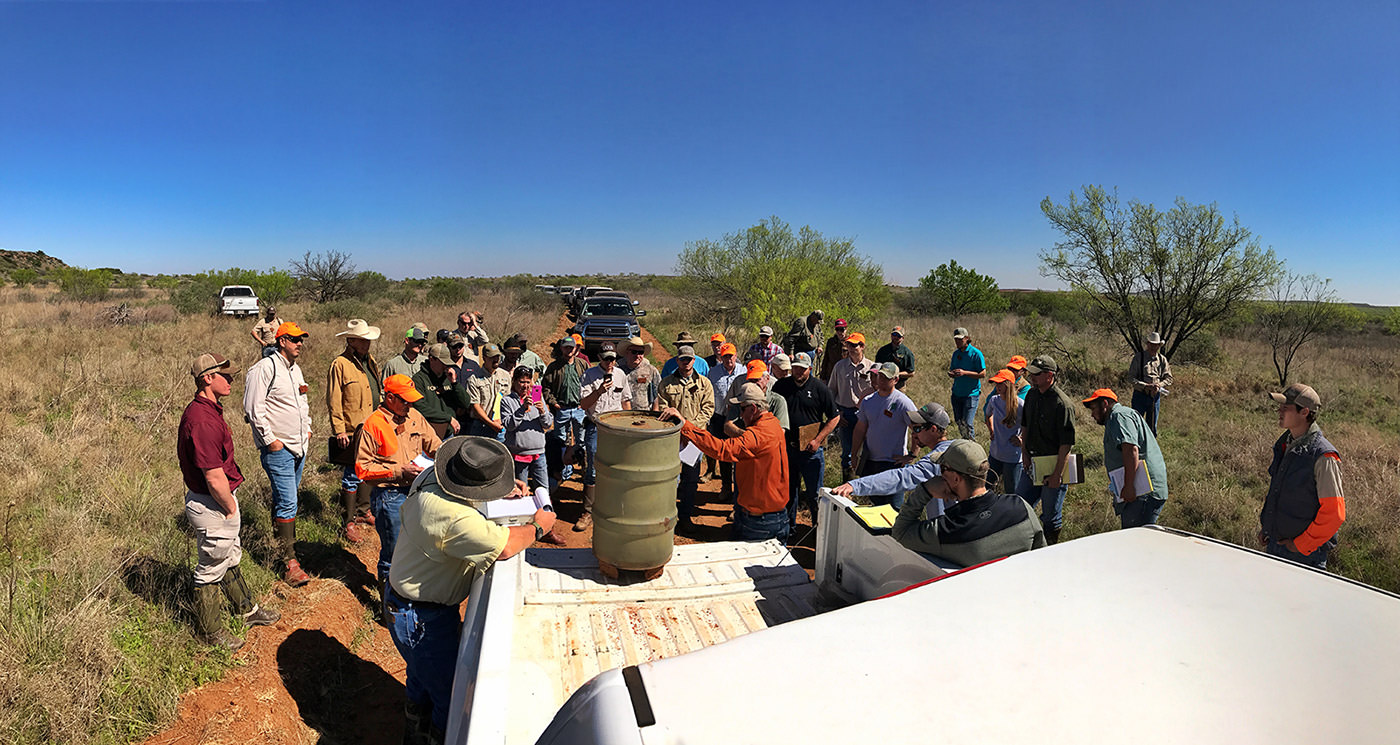
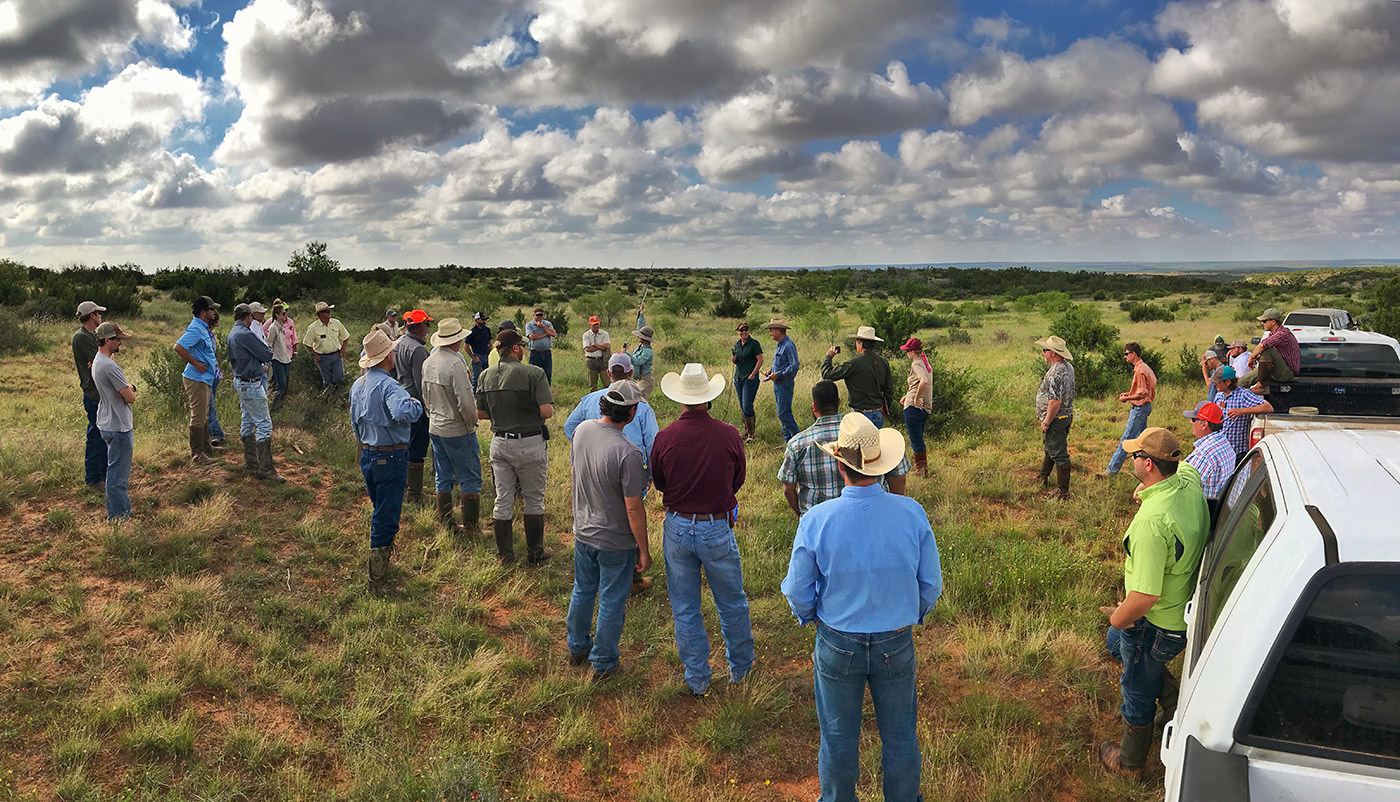
The Rolling Plains Quail Research Ranch Annual Field Day will be held on Friday, May 22, 2026 at the Research Ranch headquarters located at 1265 US HWY 180 W, Rotan, Texas (21 miles east of Snyder or 8 miles west of Roby).

The event starts with registration (coffee & donuts) between 8AM – 9AM, program will begin at 9AM followed by a catered lunch and ranch tour.

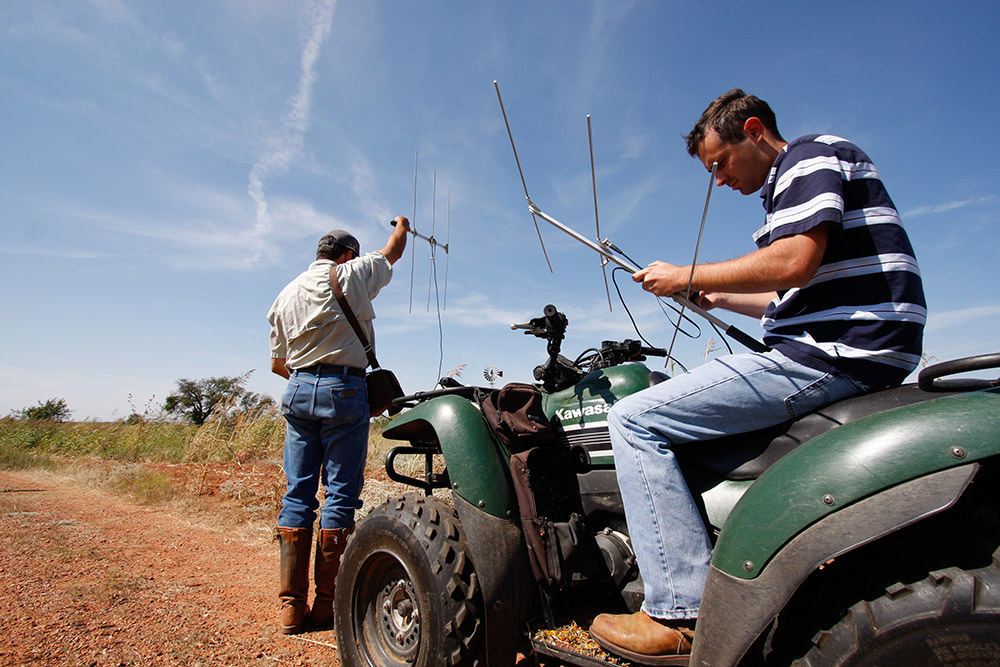
Attendees will learn about a wide range of quail research and management topics, including habitat and brush management, native plant restoration, parasites in quail, supplemental feeding, tracking technology, virtual fencing as a grazing management tool, and quail hunting. Overall, the field day is an educational event focused on the latest quail research and practical strategies for quail conservation and land management.

Participants can earn 2 CEUs toward their applicator’s license.

Register early and get an early bird discount if you register before May 17 $25 and $35 after May 17, with lunch and refreshments included. Rolling Plains Quail Research Ranch Annual Field Day

<!–

Dr. Dale Rollins Honored at Oklahoma Event

Some people talk about quail conservation, Dr. Dale Rollins has spent a lifetime devoted to quail research, education and conservation. On April 23, at the Sooner State Quail Coalition Dinner & Auction, he received the Delmar Smith Lifetime Sportsman Award. It seemed appropriate to receive this award in Oklahoma, after all, that’s where his love of quail began and what a love story it has been! Congratulations Dr. Dale, you continue to amaze us with your knowledge and passion for quail!

<!–

Curiosity Grows Learning

by Dana Wright

If you’re a “plant nerd,” you’ll appreciate this learning exercise. When looking at quail crops—a muscular pouch at the base of a quail’s throat used for temporary food storage—you’ll find a surprising variety of items: green plant parts, insects, spiders and plenty of seeds.

If you want to become a better “student of quail,” try identifying those seeds and connecting them back to the plants on your property. It’s a great way to understand what plants are important to quail on your property.

Seed identification isn’t always easy. I came across one seed that showed up consistently in quail harvested on RPQRF, but I couldn’t find a match to it in my seed collection or in plant books. So, I planted it and waited to see what would grow. Early guess? Dayflower. Stay tuned!

Dates to Remember:

May 22, 2026Annual RPQRR Field Day

July 9-12, 2026 – Texas Wildlife Association’s WildLife Convention

The Rolling Plains Quail Research Foundation greatly depends on annual  donations. We hope you will consider making a contribution to help us continue our mission of preserving Texas’ wild quail hunting heritage for this, and future, generations!

<!–

<!–[if (gte mso 9)|(IE)]>

<![endif]–>
<!–[if (gte mso 9)|(IE)]>
<![endif]–>

<!–[if (gte mso 9)|(IE)]>

<![endif]–>